





When choosing senior care, you’ll find three distinct options tailored to different needs. Assisted living offers independence with help for daily tasks, while nursing homes provide 24/7 medical care for complex health conditions. Memory care specializes in supporting those with dementia through secured environments and specialized programming. Each option has unique staff expertise, security features, and activity programs. Understanding these key differences will help you make the best choice for your loved one’s specific situation.
Understanding the Basic Care Models
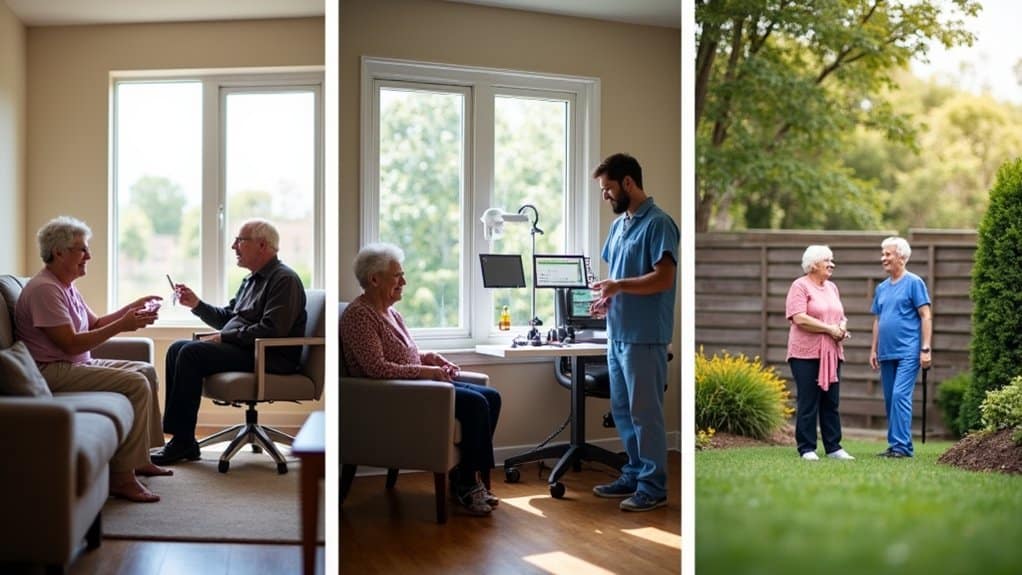
When it comes to senior care options, understanding the key differences between assisted living, nursing homes, and memory care can help you map out the best path forward for your loved one.
Within the long-term care continuum, each model serves distinct needs. Assisted living supports seniors who maintain substantial independence but need help with daily tasks. You’ll find a residential setting with social activities and basic assistance. Nursing homes provide 24/7 skilled care for those with serious medical conditions, offering extensive support in a more clinical environment. Memory care specializes in residents with moderate to severe dementia, featuring secured units and specialized programming. Staff members in memory care facilities receive specialized dementia training to effectively manage cognitive challenges and behavioral issues. Memory care communities provide a secure environment with motion-sensored lights and other safety features designed specifically for residents with cognitive impairment. Memory care units incorporate color-coded walls to help residents navigate their surroundings more easily.
While nursing home vs assisted living costs vary extensively, your choice should primarily focus on matching your loved one’s needs to the appropriate levels of senior care explained here.
Daily Living Support and Medical Services
Understanding the daily support and medical services provided by different senior care options helps clarify which setting will best serve your loved one’s needs.
In assisted living vs nursing home vs memory care comparisons, each facility offers distinct levels of support. Assisted living provides help with daily activities while maintaining independence, offering medication management and basic medical coordination. Staff members are trained to assist residents with activities of daily living. A memory care unit vs nursing home dementia ward focuses on specialized cognitive support, secured environments, and structured routines for those with memory challenges. Memory care facilities employ staff who receive specialized dementia training to better support residents with cognitive decline. Senior care facility comparisons show nursing homes deliver the highest level of medical care, with 24/7 supervision by licensed staff for those needing extensive assistance.
When comparing these options, consider your loved one’s medical needs, independence level, and cognitive status to determine the most appropriate care setting.
Staff Expertise and Care Ratios

The expertise of staff members and caregiver-to-resident ratios vary considerably across senior care settings. You’ll find that memory care communities maintain higher staff-to-resident ratios and require specialized dementia care training for their teams, including certification programs like the Certified Alzheimer’s Disease and Dementia Care Trainer.
In assisted living, staff receive general training in personal care and daily living activities, with lower caregiver ratios suitable for residents needing minimal to moderate support. Staff members assist residents with essential tasks like bathing and dressing, which are fundamental activities of daily living. Memory care settings typically cost 40% more than standard assisted living due to enhanced staffing and specialized care requirements. Nursing homes focus on complex medical care, with staff trained to handle severe health conditions, though their dementia expertise may vary by facility. Nearly three-quarters of residents in assisted living facilities have some form of dementia, highlighting the critical need for specialized care training.
Memory care stands out with its emphasis on continuous education, behavioral management skills, and non-pharmacological interventions. Staff members regularly participate in specialized training to stay current with dementia care best practices.
Security Features and Environmental Design
Security features and environmental design differ dramatically between senior care settings, with memory care communities offering the most thorough safeguards for cognitively impaired residents. You’ll find secured doors with alarms and code-based locks in memory care, while assisted living maintains more open access. Memory care environments feature specialized elements like clear sightlines, color cues, and circular walking paths to prevent confusion and wandering. The comprehensive motion-sensor lighting system provides an additional layer of protection for residents with cognitive impairments. Memory care facilities incorporate calming spaces with soft lighting and soothing colors to reduce anxiety and create a peaceful atmosphere.
The design extends to safety features you won’t typically see in other settings, including memory boxes outside rooms, non-slip floors, and enclosed outdoor spaces. While nursing homes and assisted living incorporate some safety elements like handrails, memory care takes environmental design further with 24/7 monitoring systems, simplified layouts, and controlled lighting and sound to reduce agitation and promote resident well-being.
Quality of Life and Social Programming
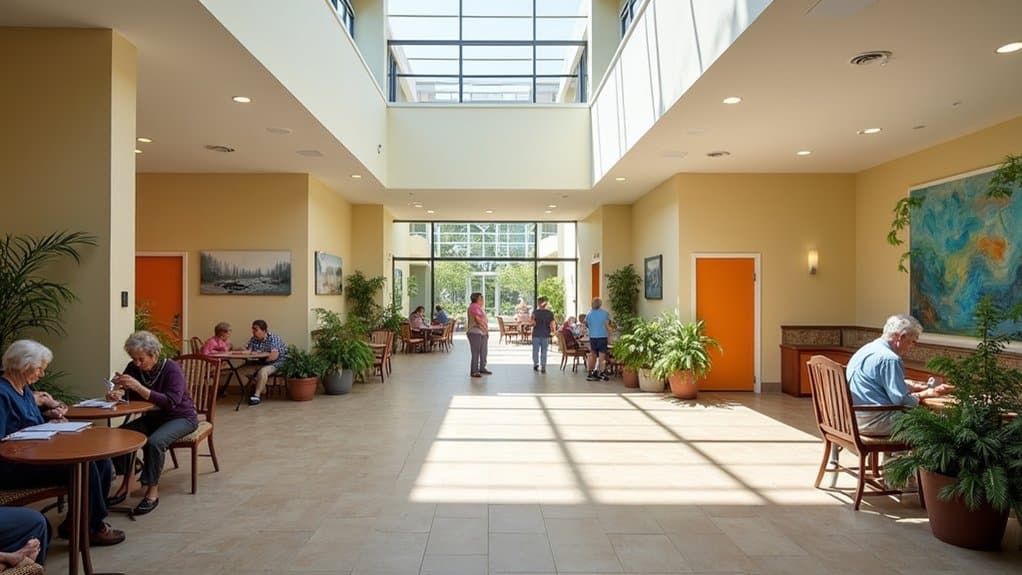
Beyond physical safety measures, quality of life and social engagement shape each resident’s daily experience across different care settings. Each type of care facility approaches social programming and activities differently to match residents’ abilities and needs.
- Memory care facilities excel at providing structured routines and specialized cognitive therapies, helping reduce anxiety while maintaining mental function for those with dementia
- Assisted living communities offer diverse recreational activities and social programs, ideal for more independent seniors who can actively participate and engage
- Nursing homes focus primarily on medical care, though they include basic social activities with less customization than other settings
- Staff training levels vary greatly – memory care specialists receive extensive dementia-specific education, while assisted living staff focus on general senior support skills
Memory care environments maintain secured living spaces to prevent residents from wandering, ensuring both safety and peace of mind for families. Assisted living facilities provide around-the-clock staff to assist residents while promoting their independence. Understanding the memory care vs assisted living differences is crucial for families making decisions for their loved ones. While memory care focuses on providing specialized support for individuals with cognitive impairments, assisted living emphasizes fostering independence in residents who may need varying degrees of assistance.
The key is matching your loved one’s cognitive abilities and social needs to the right environment’s programming approach.
Navigating the Cost Structure
Understanding costs across different senior care options can feel overwhelming, but breaking down the pricing structure helps families make informed decisions. Assisted living offers the most affordable option, with monthly costs ranging from $4,600-$4,917, while memory care typically runs 15-30% higher at $5,371-$9,600. Nursing homes represent the highest tier, averaging $8,500-$10,025 for private rooms. Some expenses related to memory care may be considered tax deductible if deemed medically essential.
You’ll find base rates include different services: assisted living covers meals, housekeeping, and basic daily assistance; memory care adds specialized cognitive programs and enhanced security; nursing homes provide intensive medical care and rehabilitation. Staff expertise is especially critical in memory care facilities due to the need for specialized dementia training. The Department of Veterans Affairs offers financial assistance to eligible veterans needing memory care services. While private pay remains most common, you might offset costs through long-term care insurance, veterans’ benefits, or Medicaid for nursing care.
Who Benefits From Each Care Type
Selecting the right senior care option starts with identifying your loved one’s unique needs and capabilities. Each type of care serves distinct populations with varying levels of support and medical oversight.
- Assisted living works best if your loved one needs help with daily activities but maintains cognitive function and seeks an active social environment
- Memory care specializes in supporting those with Alzheimer’s or dementia who require secure spaces and specialized cognitive support
- Nursing homes provide extensive medical care for seniors with complex health needs, post-surgery recovery, or those requiring 24/7 skilled nursing
- Your choice should align with your loved one’s cognitive state, physical health, and independence level
Statistics show that proper placement matters – memory care residents have 16% lower risk of nursing home admission and fewer hospitalizations compared to general assisted living residents. This underscores the importance of understanding memory care and assisted living when making decisions for loved ones. Families seeking appropriate care options can benefit significantly from this knowledge, as it can lead to improved quality of life and better health outcomes.
Dining and Nutritional Approaches
You’ll find each senior care setting takes a distinct approach to dining, ranging from assisted living’s restaurant-style experience to nursing homes’ clinically focused meals and memory care’s specialized support systems. Your loved one’s dining needs will be met differently across these environments, with assisted living promoting independence and socialization, while memory care provides adaptive tools and extra assistance, and nursing homes concentrate on medical nutrition requirements. The level of mealtime support increases progressively from assisted living to memory care to nursing homes, matching the heightened care needs of residents in each setting.
Specialized Dining Support Systems
The dining support systems across assisted living, nursing homes, and memory care facilities reflect distinct approaches tailored to residents’ varying needs and abilities. Each setting provides specialized assistance that matches residents’ cognitive and physical capabilities, guaranteeing they receive proper nutrition while maintaining dignity and independence. Assisted living facility services often include social dining and personalized meal plans, supporting health while fostering community and companionship.
- Assisted living offers minimal dining support with restaurant-style service, perfect for seniors who need light assistance with meals
- Nursing homes provide comprehensive feeding assistance and medical oversight, including texture-modified diets and specialized nutritional plans
- Memory care environments feature adaptive tools, color-coded settings, and trained staff who understand cognitive challenges
- All facilities employ different levels of dietitian involvement, with nursing homes and memory care offering the most intensive nutritional monitoring
These specialized approaches ensure that residents receive appropriate support while enjoying their dining experience.
Meal Planning By Need
While nutrition needs vary dramatically across senior care settings, each facility type takes a distinct approach to meal planning that aligns with residents’ medical conditions, cognitive abilities, and personal preferences.
In nursing homes, you’ll find highly specialized meal plans overseen by dietitians, with options for pureed foods and swallowing difficulties. Memory care units focus on colorful plating to help residents distinguish food items, while assisted living offers more flexible dining choices with dietary supervision.
All three settings provide three daily meals plus snacks, but they’ll adjust portions and timing based on individual needs. You’ll see seasonal menus incorporating fresh ingredients, cultural preferences, and holiday traditions. Modern facilities use multipe technologies to track dietary requirements and allergies, ensuring each resident receives appropriate nutrition while maintaining food quality and safety standards.
Social Vs Clinical Setting
Dining experiences across senior care settings reveal stark contrasts between social and clinical approaches. You’ll find assisted living offers a vibrant, restaurant-style atmosphere where residents enjoy flexible menus and social connections. Memory care balances engagement with specialized support, while nursing homes typically maintain a more clinical environment.
- Assisted living promotes active socializing through themed meals, holiday events, and resident choice in dining times and menu options
- Memory care creates structured environments with visual cues and adaptive tools to support independence while managing cognitive challenges
- Nursing homes often follow strict schedules with standardized menus, resembling hospital cafeterias
- Both assisted living and memory care facilities prioritize dietitian-approved, seasonally-inspired menus that enhance quality of life
These distinct approaches directly impact residents’ dining satisfaction and overall wellbeing, making it vital to examine your loved one’s needs when choosing care options.
Making the Transition Between Care Levels
If you’re noticing concerning changes in your loved one, such as increased confusion, wandering behaviors, or difficulty with daily tasks, it may be time to contemplate moving to a higher level of care. You can make this shift smoother by working closely with care professionals to assess needs, tour appropriate facilities, and develop a clear plan for the transition. Bringing familiar belongings and maintaining open communication about the move will help ease anxiety while ensuring your loved one receives the specialized support they need in their new environment.
Signs It’s Time
Recognizing when to shift your loved one to a higher level of care often presents one of the most challenging decisions families face. While every situation is unique, certain warning signs indicate it’s time to look into more extensive care options.
Key indicators that suggest the need for increased support include:
- Progressive memory loss affecting daily functions, such as forgetting familiar faces or struggling with basic tasks
- Frequent wandering episodes or unsafe behaviors that put your loved one at risk of falls or accidents
- Declining ability to manage personal care, medications, or maintain proper nutrition
- Caregiver burnout or an inability to provide the 24/7 supervision needed as dementia advances
If you’re noticing multiple warning signs, it’s time to explore which care setting – assisted living, nursing home, or memory care – can best meet your loved one’s evolving needs.
Easing The Care Shift
Moving your loved one between different levels of care necessitates meticulous planning and emotional support for all parties involved. You’ll want to start with a thorough assessment of your loved one’s functional and cognitive status to guarantee they’re matched with the appropriate care level.
Schedule pre-shift meetings with the care team to understand transfer policies, specialized services, and what to expect. You’ll find it helpful to coordinate medical records and medication plans while arranging for personal belongings to ease the adjustment. Don’t underestimate the emotional impact – consider counseling or support groups for both you and your loved one.
Once the shift occurs, stay engaged with staff monitoring and feedback. Regular reassessment of care needs and satisfaction will help optimize your loved one’s experience and confirm they’re receiving the right level of support.
Evaluating Your Family’s Care Needs
When families begin exploring senior care options, understanding your loved one’s specific needs becomes the essential first step in choosing between assisted living, nursing homes, and memory care. Start by evaluating their daily functioning, medical requirements, cognitive status, and safety concerns to determine the most appropriate level of care.
- Assess their ability to manage daily activities like bathing, dressing, and medications – this helps determine if assisted living provides sufficient support
- Consider the complexity of medical needs – ongoing health issues may require nursing home care’s 24/7 clinical supervision
- Watch for signs of cognitive decline or unsafe behaviors that might indicate the need for memory care’s specialized environment
- Evaluate their social engagement preferences and ability to participate in activities, as each setting offers different therapeutic and recreational programs
Frequently Asked Questions
Can Married Couples Live Together in Different Care Level Settings?
Yes, you can often find facilities that accommodate couples with different care needs. Many senior communities offer flexible living arrangements like shared apartments or adjoining rooms where spouses can stay together even if one needs memory care while the other requires assisted living. You’ll want to verify each facility’s specific policies, as arrangements vary. The key is finding a place that supports both partners’ needs while maintaining your connection and daily routines together.
What Happens if Medicare/Medicaid Funding Runs Out During a Stay?
If your Medicare/Medicaid funding runs out, you’ll receive notice from the facility. Nursing homes must continue care until they arrange an appropriate relocation, but assisted living and memory care facilities may require discharge if you can’t maintain payments. You’ve got options though – you can appeal the decision, apply for emergency Medicaid, explore veterans’ benefits, or seek help from your state’s Ombudsman program to navigate the changeover process.
Are Pets Allowed in These Different Types of Care Facilities?
Pet policies vary considerably across care settings. You’ll find assisted living facilities are typically the most pet-friendly, often allowing one or two small pets with proper documentation and fees. Nursing homes rarely permit personal pets but frequently offer pet therapy programs or maintain community pets. Memory care facilities are the most restrictive due to safety concerns, though they commonly provide structured animal visits and therapy programs for residents’ enjoyment.
How Often Can Family Members Visit Residents in Each Setting?
You’ll find flexible visiting policies across all three settings, but there are some differences. In assisted living, you can typically visit daily during extended hours. Nursing homes must legally allow family visits at any time unless clinically restricted. Memory care facilities often prefer structured daytime visits to maintain resident routines. During health emergencies like COVID-19, all settings may temporarily adjust their policies to protect residents’ safety.
Can Residents Bring Their Own Furniture and Personal Belongings?
Yes, you’ll have different options depending on the care setting. In assisted living, you can bring most personal furniture and belongings, though you’ll need to follow size guidelines. Memory care allows smaller personal items and some furniture, but they’ll need to meet safety requirements. Nursing homes typically limit furniture to what they provide, but you can bring personal items like photos, clothing, and small mementos to make the space feel more like home.