



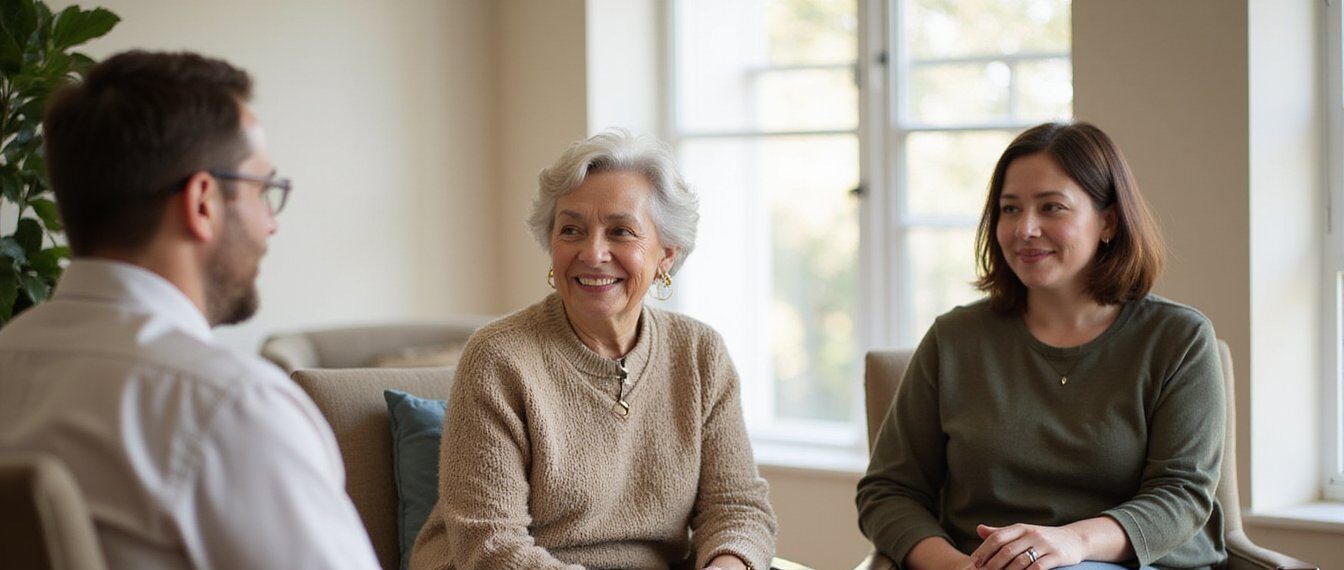

Yes, your loved one with early dementia can safely stay in assisted living, especially since 42% of residents have dementia diagnoses and 80% report high satisfaction with care quality. You’ll find thorough safety measures, including fall prevention protocols, secured exits to prevent wandering, and medication management support. While risks exist, trained staff and specialized memory care services help maintain both safety and independence. Understanding the specific safety features and care options will help you make the best choice for your situation.
Understanding Safety Statistics in Assisted Living

While considering assisted living for a loved one with early dementia, understanding the safety statistics can help you make an informed decision. You’ll find that nearly 42% of assisted living residents have dementia diagnoses, with an additional 29% experiencing mild memory loss, showing these communities are well-versed in early dementia care options. With facilities managing an average of 27 to 33 residents, staff can provide more personalized attention to those with cognitive impairments.
The data’s encouraging: 80% of residents and families report satisfaction with care quality, particularly during the early stages of dementia and care needs. While support for seniors with memory loss varies by facility, 18.2% offer specialized memory care units. With average stays of 22 months for residents, facilities have developed extensive experience managing early dementia progression. The Western region of the United States has the highest concentration of assisted living communities, offering more facility options for families seeking memory care. You should know that adverse events do occur – falls and infections are the most common challenges. However, structured safety protocols and dedicated memory care programs help minimize risks, making assisted living a viable option for many with early-stage dementia.
Key Risk Factors and Safety Concerns
When evaluating if your loved one with early dementia can remain in assisted living, you’ll need to ponder three primary safety risks. Falls present the most immediate danger, especially as cognitive decline affects balance and spatial awareness, while unsecured exits pose risks for residents who may wander. You’ll also want to assess whether staff can effectively manage your loved one’s medications, as memory issues often lead to dangerous dosing mistakes without proper oversight. Installing nonskid bathroom mats and grab bars can significantly reduce fall risks in assisted living spaces. With approximately 85% of dementia patients receiving care from family members in traditional home settings, assisted living facilities must demonstrate they can provide comparable or better safety measures than family caregivers. Modern facilities often employ advanced safety technologies like RFID tracking and geo-fencing to prevent wandering and elopement incidents.
Fall Prevention Priorities
The risk of falls represents a critical safety concern for individuals with early dementia living in assisted care facilities. When considering assisted living for mild dementia, you’ll need to prioritize comprehensive fall prevention strategies. Start by addressing environmental hazards through proper lighting, clear walkways, and bathroom safety modifications. Nearly half of older adults with dementia who live in communities experience falls within a one-year period. Cognitively impaired individuals are at twice to three times higher risk of falling compared to those without impairment. In dementia-friendly assisted living settings, it is crucial to review medication regimens regularly, as polypharmacy and certain drugs can greatly increase fall risks. Even minor injuries from falls can result in hospitalization and nursing home placement. Regular assessments of your loved one’s gait, balance, and daily living abilities will help determine when to move from assisted living to memory care. Staff should receive specialized training in proper mobility assistance techniques, while maintaining a balance between safety and independence. Remember, fall prevention isn’t just about the physical environment – it requires coordinated care between healthcare providers, staff, and family members.
Wandering and Exit Safety
Since wandering represents one of the most dangerous risks for people with early dementia, you’ll need to carefully evaluate your loved one’s wandering potential before choosing assisted living. Consider that 36% of people with dementia wander, and the outcomes can be severe if proper safety measures aren’t in place. Statistics show that 40% of wanderers are found deceased within 24 hours, making prevention absolutely critical. Most wandering incidents occur when individuals are briefly unsupervised during routine activities. Keeping a daily routine with meaningful activities can significantly reduce wandering behaviors.
Watch for these critical warning signs that may indicate your loved one is at risk:
- Repeatedly searching for keys, coats, or purses
- Expressing frequent desires to “go home” or leave
- Becoming restless or agitated, especially during evening hours
- Showing confusion about familiar places and surroundings
- Having a previous history of wandering episodes
When evaluating facilities, make certain they have robust security protocols, including door alarms, secured exits, and staff trained to recognize and respond to wandering behaviors.
Medication Management Risks
Alongside wandering risks, medication management presents major safety challenges for people with early dementia in assisted living. As cognitive decline progresses, your loved one’s ability to manage complex medication regimens decreases, leading to risks of missed doses, accidental double-dosing, or medication mix-ups. Family caregivers often attempt to help maintain independence as long as safely possible before transitioning medication responsibilities to staff.
Staff training and oversight become essential, as 77.5% of residents need help with medications. Without proper electronic tracking systems and standardized protocols, there’s an increased risk of adverse drug interactions, especially when multiple prescribers are involved. Given that high psychotropic use affects up to 56% of residents, careful monitoring becomes even more critical. Your loved one may also struggle to report side effects accurately, delaying necessary interventions. The issue is further complicated by poor communication between healthcare providers and caregivers, which can lead to medication errors.
These medication errors can result in serious consequences, including falls, rapid cognitive decline, or hospitalization. The risk doubles when antipsychotics are inappropriately used as chemical restraints in dementia care.
Fall Prevention Strategies and Protocols
Protecting your loved one with early dementia starts with a thorough fall risk assessment that evaluates their mobility, balance, and cognitive status. You’ll find that assisted living facilities implement targeted safety modifications based on these assessments, including secure handrails, adequate lighting, and clutter-free pathways. Regular reassessments guarantee that environmental safeguards evolve with your family member’s changing needs, maintaining the highest level of protection against falls. This comprehensive approach is crucial since nearly half of older adults with dementia experience falls during their stay.
Fall Risk Assessment Tools
Fall risk assessment tools play a critical role in keeping your loved one with early dementia safe in assisted living. Modern facilities use multiple validated screening methods to evaluate and monitor fall risks, ensuring appropriate preventive measures are in place.
- The STEADI tool provides annual screenings and is widely used for basic risk evaluation
- FROP-Com assessment specifically considers cognitive and functional aspects, making it ideal for dementia residents
- Wearable devices and monitoring systems offer real-time alerts to staff when falls occur
- The CaHFRiS tool calculates risk probability over 6 months, helping predict who needs extra attention
- Icon-FES testing uses pictures to make assessments clearer for those with cognitive challenges
You’ll want to discuss these assessment options with the facility to understand how they’ll monitor your loved one’s safety and adjust care plans accordingly.
Environmental Safety Modifications
While caring for someone with early dementia in assisted living, creating a safe physical environment becomes essential to prevent falls and injuries. You’ll need to focus on key modifications that address common hazards and support independence. Consider installing grab bars in bathrooms and ensuring that rugs are secured to the floor to reduce tripping hazards. Additionally, it’s important to assess the layout of living spaces to promote easier navigation and reduce confusion. For those seeking clarity on specialized care options, memory care vs assisted living can help families make informed decisions regarding the best living arrangements for their loved ones.
| Area | Hazard | Solution |
|---|---|---|
| Floors | Loose rugs, cords | Secure or remove obstacles |
| Lighting | Shadows, glare | Install uniform, bright lights |
| Bathrooms | Wet surfaces | Add grab bars, non-slip mats |
You’ll want to guarantee clear pathways by removing clutter and installing handrails in hallways and stairways. Consider adding high-contrast colors to help distinguish surfaces and furniture. In the kitchen, install safety devices like stove knob covers and auto-shutoff mechanisms. Keep frequently used items within easy reach, and secure potentially dangerous objects in locked cabinets to prevent accidents.
Environmental Safety Measures and Modifications
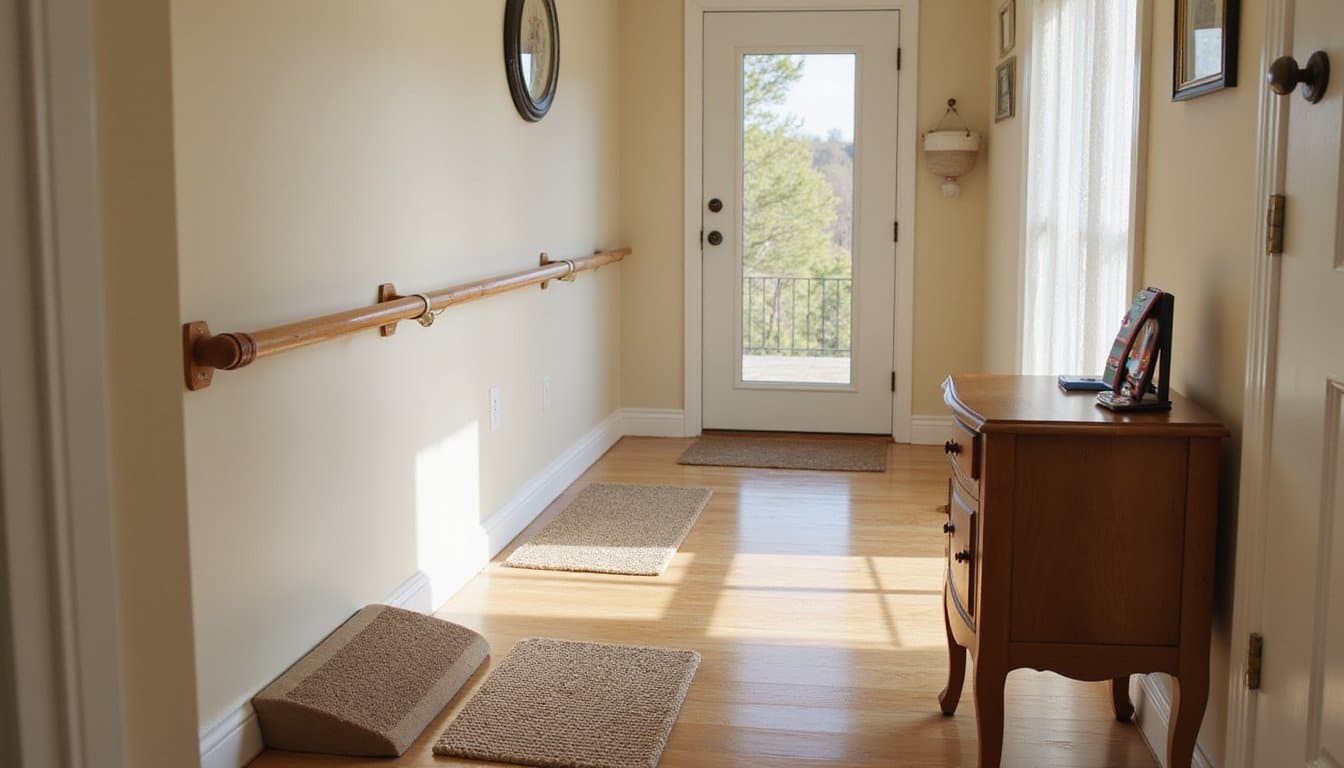
Environmental safety modifications serve as essential building blocks for supporting individuals with early dementia in assisted living settings. You’ll want to implement specific changes that enhance safety while maintaining independence and dignity for your loved one.
Creating a safe environment helps those with early dementia maintain both their dignity and independence while receiving essential care and support.
- Install handrails in hallways and grab bars throughout common areas not just bathrooms, to provide consistent support for mobility
- Remove potential hazards like loose rugs, excessive furniture, and electrical cords that could cause trips and falls
- Maximize natural light and add proper illumination, including nightlights, to support safe navigation and reduce confusion
- Use clear signage with contrasting colors and simple language to help with wayfinding and orientation
- Secure hazardous items and areas by installing safety devices like stove knob covers and locks for chemical storage
Monitoring Systems and Staff Supervision
Modern monitoring systems complement physical safety features by creating an intelligent safety net for residents with early dementia. You’ll find various technologies working together to protect your loved one, including bed sensors that detect unusual movement patterns and wearable devices that track location and essential signs.
Staff members receive real-time alerts through integrated systems, allowing them to respond quickly to any concerning situations. They’ll monitor your family member through passive sensors that track daily routines, sleep patterns, and potential wandering behaviors. AI-driven analytics help predict fall risks and identify changes in behavior that might require intervention.
These monitoring solutions maintain dignity while providing pivotal oversight, giving you peace of mind that your loved one is receiving attentive care without compromising their independence in the assisted living environment. Understanding the differences between care options is crucial for making informed decisions that best suit your loved one’s needs. These solutions not only enhance safety but also help families feel connected, bridging the gap between independence and support.
Making the Right Choice for Your Loved One
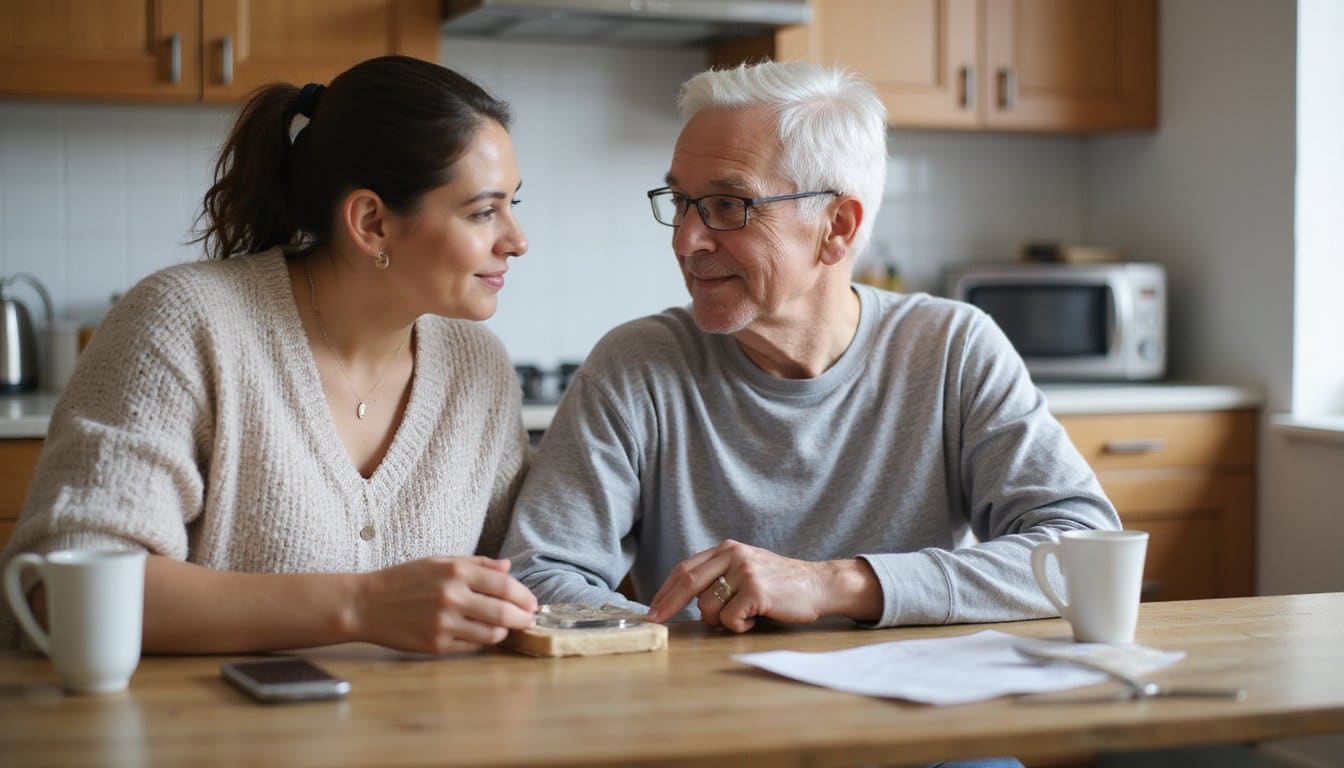
Three critical factors guide the decision to place your loved one with early dementia in assisted living: their current cognitive status, the facility’s capabilities, and your family’s support capacity. When evaluating your options, you’ll need to carefully assess these key considerations: When choosing care, consider how assisted living facility services match your loved one’s needs, along with the family’s ability to provide support for a smooth adjustment.
Making the assisted living decision requires weighing your loved one’s cognitive state, facility expertise, and family resources with extreme care.
- Review the facility’s dementia care training, staff ratios, and specialized programs to guarantee they match your loved one’s needs
- Consider the stage of your loved one’s dementia and whether the facility can safely manage current symptoms
- Evaluate your ability to remain actively involved in monitoring care and championing for your family member
- Assess the facility’s security measures and protocols for preventing wandering
- Compare costs between standard assisted living and specialized memory care units, including potential future shifts.
Frequently Asked Questions
How Do Social Interactions With Other Residents Affect Dementia Progression?
Regular social interactions with other residents can markedly slow your loved one’s cognitive decline. When they engage in activities like storytelling, singing, or group events, they’ll maintain better cognitive function and experience less anxiety and agitation. You’ll notice that just one hour of weekly social interaction can reduce their risk of severe impairment. Plus, these peer connections create a supportive environment that helps prevent isolation-related behavioral symptoms.
What Activities Are Most Beneficial for Early-Stage Dementia Residents?
You’ll find cognitive activities like puzzles and memory games particularly beneficial, as they can engage your loved one for up to 28 minutes per session. Physical exercises, including walking and chair aerobics, help improve mood and reduce agitation. Don’t overlook social activities – reminiscence therapy and small group conversations (4-9 people) are especially effective. Arts and crafts, music sessions, and sensory activities tailored to their past interests also provide meaningful engagement.
Can Residents Bring Their Pets to Assisted Living Facilities?
Yes, you can bring your pet to most assisted living facilities, but you’ll need to review their specific policies. Common requirements include proof of vaccinations, size/breed restrictions (usually favoring small dogs under 50 lbs and cats), and your ability to care for the pet independently. You’ll likely need to pay pet fees and list an emergency caregiver. If you can’t manage pet care alone, many facilities offer support services or can connect you with pet care providers.
How Often Should Family Members Visit Someone With Early Dementia?
You should aim to visit your loved one with early dementia at least weekly or biweekly. Short, frequent visits often work better than long, infrequent ones. It’s helpful to maintain a consistent schedule, like visiting at the same time each week. You’ll want to adjust visit frequency based on your family member’s emotional needs, especially during health changes or shifts. Regular social interaction can help slow cognitive decline and improve their quality of life.
What Financial Assistance Options Exist for Dementia Care in Assisted Living?
You’ll find several financial assistance options for dementia care in assisted living. Medicaid waivers can help cover costs in many states, while veterans may qualify for Aid and Attendance benefits up to $2,358 monthly. You can also explore long-term care insurance, retirement accounts, and SSI payments. Don’t forget to contact your local Area Agency on Aging and the Alzheimer’s Association – they’ll help you navigate available programs and community resources.