





When considering memory care for your loved one, you’ll need to recognize key signs like consistent behavioral changes, safety concerns, and cognitive decline. Look for facilities that offer appropriate care levels, from basic assistance to specialized medical supervision, with qualified staff and strong security measures. You’ll want to evaluate costs ranging from $3,000-$7,000 monthly, plus extra care services. Understanding these fundamentals will help you navigate the next steps in this significant decision-making process.
Signs It’s Time to Consider Memory Care
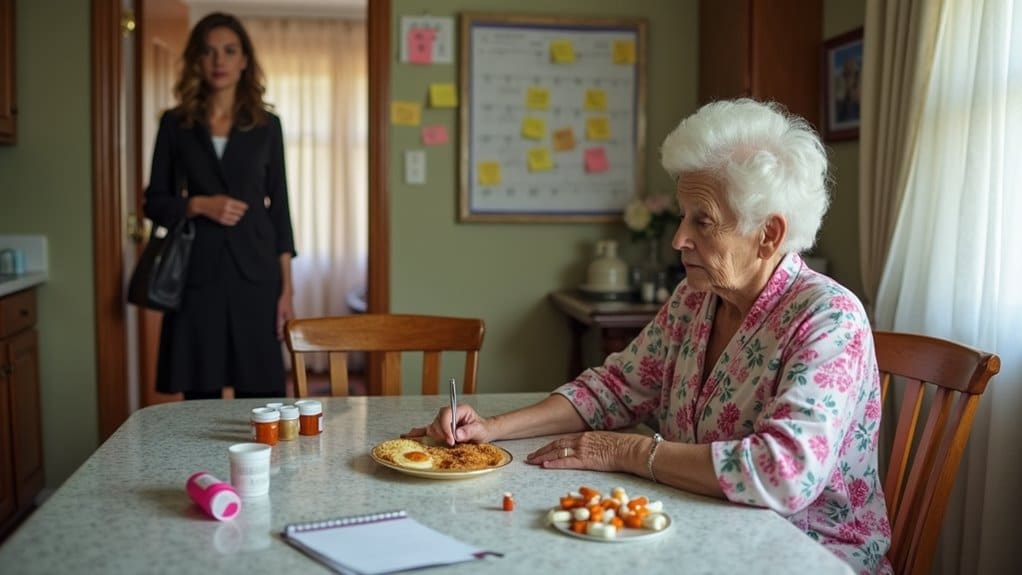
Recognizing when a loved one needs memory care can be emotionally challenging, but identifying the signs early helps guarantee they receive proper support and supervision. Watch for consistent behavioral changes like social withdrawal, increased confusion during routine tasks, and frequent memory lapses that disrupt daily activities.
Pay attention to safety concerns, such as wandering, leaving appliances on, or struggling with medication management. You’ll notice cognitive decline through difficulty with problem-solving, communication challenges, and disorientation about time or place. Health deterioration, including weight loss or poor hygiene, often signals a need for professional care.
When these symptoms create significant family stressors and emotional distress for both caregivers and your loved one, it’s time to investigate memory care options. Don’t wait until daily challenges become overwhelming early intervention supports better outcomes.
Understanding Different Levels of Memory Care Services

Memory care services range from basic daily assistance with medications and hygiene to specialized programs focused on cognitive stimulation and therapeutic activities. You’ll find that residential facilities offer structured environments with 24/7 monitoring, secured areas, and staff trained specifically in dementia and Alzheimer’s care. Your loved one’s unique needs will determine whether they require lighter daily support or would benefit from an extensive memory care facility with specialized medical supervision and enrichment programs.
Daily Care vs. Specialized
While maneuvering through the complex world of memory care, you’ll find there are distinct levels of service designed to match your loved one’s specific needs. Daily care focuses on essential routines like medication management, bathing, dressing, and meal assistance. These services guarantee your family member maintains a structured, comfortable lifestyle with dignity.
Specialized care, however, addresses more complex requirements for those with advanced memory conditions. This improved level includes targeted therapies, behavioral intervention programs, and round-the-clock monitoring. You’ll find specialized units staffed by professionals trained in dementia-specific care techniques, offering personalized care plans that adapt to changing cognitive needs. When evaluating facilities, consider whether your loved one needs basic daily support or would benefit from more intensive, specialized attention.
Facility Services and Support
As you investigate memory care facilities, you’ll uncover tiered service levels designed to match your loved one’s evolving needs. Each facility offers distinct amenities and caregiver support customized to different stages of memory loss.
| Service Level | Care Provided | Facility Amenities |
|---|---|---|
| Basic | Medication management, daily assistance | Secured entrances, emergency response |
| Intermediate | Specialized activities, improved monitoring | Memory gardens, therapy rooms |
| Advanced | 24/7 skilled nursing, complex medical care | Medical equipment, specialized dining |
| Hospice | End-of-life care, pain management | Private suites, family gathering spaces |
Understanding these service tiers helps you make informed decisions as your loved one’s condition progresses. Look for facilities that offer seamless changes between care levels, thorough family support programs, and specialized training for their staff.
Essential Features to Look for in a Memory Care Facility

When you’re evaluating memory care facilities for your loved one, you’ll want to focus on three critical features that guarantee quality care and comfort. Look for facilities with staff who have specialized dementia care certifications and regular training programs, along with thorough security measures like monitored exits, emergency response systems, and clearly marked pathways. Your ideal facility should also offer engaging therapeutic activities and memory-enhancing programs that help residents maintain cognitive function while promoting social connection.
Staff Training and Experience
Because specialized care for those with dementia requires unique skills and knowledge, the staff’s training and experience should be a top priority in your search for a memory care facility. When evaluating staff qualifications, you’ll want to understand the facility’s training programs and ongoing educational requirements.
- Ask if staff members receive specialized dementia care certifications and how often they complete continuing education courses
- Check the staff-to-resident ratio during all shifts to guarantee your loved one will receive adequate attention
- Inquire about the facility’s employee retention rates, as consistent caregivers help build trust and routine
- Verify that staff members undergo background checks and possess experience working with memory-impaired residents
Safety and Security Features
Since the safety of memory care residents remains paramount, specialized security features play a critical role in preventing wandering while maintaining dignity and independence. You’ll want to look for facilities that utilize advanced security technology, including coded entry systems, discrete door alarms, and motion sensors that alert staff when residents leave designated areas.
When touring facilities, check for secure outdoor spaces that allow residents to enjoy fresh air safely. Pay attention to the resident monitoring systems in place, such as wearable devices or emergency call buttons. Well-designed facilities incorporate visual cues and clear signage to help residents navigate independently. You should also verify that the building has proper lighting, handrails, non-slip flooring, and secured windows. These features work together to create a protective environment without feeling institutional.
Activities and Memory Support
Beyond physical safety measures, engaging activities and memory support programs form the backbone of quality memory care. When evaluating facilities, you’ll want to look for thorough programs that provide cognitive stimulation and meaningful social interaction for your loved one.
Key elements of an effective memory support program should include:
- Daily structured activities that match your loved one’s interests and abilities, from art therapy to gentle exercise classes
- Individual and group activities that encourage social connections and prevent isolation
- Sensory stimulation programs incorporating music, aromatherapy, and tactile experiences
- Memory-enhancing exercises and games designed to maintain cognitive function
You’ll want to observe these activities in action during your facility visit and ask about participation rates, staff training, and how they adapt programs for different cognitive levels.
Key Questions to Ask During Facility Tours
When touring memory care facilities for your loved one, asking the right questions can make all the difference in finding the perfect fit. Pay close attention to the facility environment and staff interactions during your visit. Notice how caregivers communicate with residents and whether they’re treating them with respect and patience.
Ask about staff-to-resident ratios, specialized training requirements, and turnover rates. You’ll want to know about safety protocols, emergency procedures, and how they handle medical emergencies. Don’t forget to inquire about daily schedules, meal planning, and how they accommodate your loved one’s specific needs and preferences. Request details about their behavior management approach, family visitation policies, and communication systems for updates about your loved one’s care. Understanding these aspects will help you make an informed decision.
Breaking Down the Costs and Financial Planning
Understanding memory care costs can feel overwhelming as you navigate this significant financial decision for your loved one. A thorough cost breakdown will help you plan effectively while exploring financial assistance options to manage expenses.
- Monthly base rates typically range from $3,000 to $7,000, covering room, board, and basic care – but don’t let these numbers discourage you from seeking quality care
- Supplementary care services might add $500-1,500 monthly, depending on your loved one’s specific needs and level of assistance required
- Many families combine long-term care insurance, veterans’ benefits, and Medicaid to make memory care more affordable
- Hidden costs like medication management, incontinence supplies, and specialized therapies should factor into your financial planning knowing these upfront helps prevent surprises
Making the Transition Smooth and Successful
Moving a loved one into memory care marks a significant life change that requires careful planning and emotional support for everyone involved. To guarantee a smoother transition, work closely with the facility’s staff to develop effective strategies for change that align with your loved one’s needs and routines.
Family involvement plays an essential role during this period. You’ll want to personalize their living space with familiar items, photos, and cherished belongings. Visit regularly during the initial few weeks, but allow them time to adjust to their new environment and build relationships with staff and residents. Keep communication open with the care team, sharing your loved one’s preferences, habits, and triggers. Keep in mind that adjustment periods vary for each individual, so remain patient and maintain a positive attitude while supporting your family member through this change.
Frequently Asked Questions
How Do Residents Maintain Relationships With Pets in Memory Care Facilities?
You’ll find that many memory care facilities recognize the healing power of animal companionship and offer pet therapy programs. While you typically can’t bring your loved one’s pet to live permanently, you can arrange regular visits with their furry friends. Some facilities also have resident therapy animals or partner with organizations that bring in trained pets. These interactions help maintain emotional connections and provide comfort through familiar animal relationships.
What Happens if a Memory Care Facility Closes or Changes Ownership?
If your loved one’s memory care facility closes or changes ownership, you’ll have specific resident rights that protect you during facility changes. You’ll receive advance written notice (typically 30-60 days) and assistance with finding alternative placement. Don’t worry – the facility must help coordinate medical records transfers and guarantee continuity of care. You’re entitled to review new ownership policies and can choose to relocate if you’re not comfortable with the changes.
Can Couples Stay Together if Only One Spouse Needs Memory Care?
You’ll find that many facilities offer options to keep couples together, even when only one spouse needs memory care. Some places provide shared living arrangements where you can both stay in the same apartment within the memory care unit. Others offer “split care” solutions, allowing the healthy spouse to live in adjacent assisted living while maintaining easy access to their loved one. Don’t feel that couple separation is inevitable – work with facilities to find creative solutions.
Are There Age Restrictions for Admission to Memory Care Facilities?
While most memory care facilities primarily serve seniors 65 and older, you’ll find that maturity qualifications can be flexible depending on your loved one’s needs. The admission criteria typically focus more on the person’s cognitive condition and care requirements than their maturity. If you’re seeking care for someone under 65 with early-onset dementia or similar conditions, you can find facilities that’ll accommodate younger residents, though you may need to search more extensively.
How Often Do Memory Care Facilities Update Their Training and Care Protocols?
You’ll find that quality memory care facilities update their staff training and care protocols continuously throughout the year. Most reputable facilities conduct monthly in-service training sessions and quarterly thorough reviews of their care procedures. They’ll typically adjust their protocols based on new research, resident needs, and industry best practices. When you’re touring facilities, don’t hesitate to ask about their training schedule and how they keep their care approaches current.