





A memory care facility offers specialized residential support for your loved one living with Alzheimer’s disease, dementia, or other cognitive impairments. You’ll find 24/7 supervised care, secure environments designed to prevent wandering, and staff trained in dementia-specific care techniques. These communities provide structured daily activities, medication management, and assistance with personal care tasks. Beyond standard assisted living, memory care facilities deliver extensive support customized to each resident’s unique cognitive needs and challenges.
Key Features and Services of Memory Care Facilities
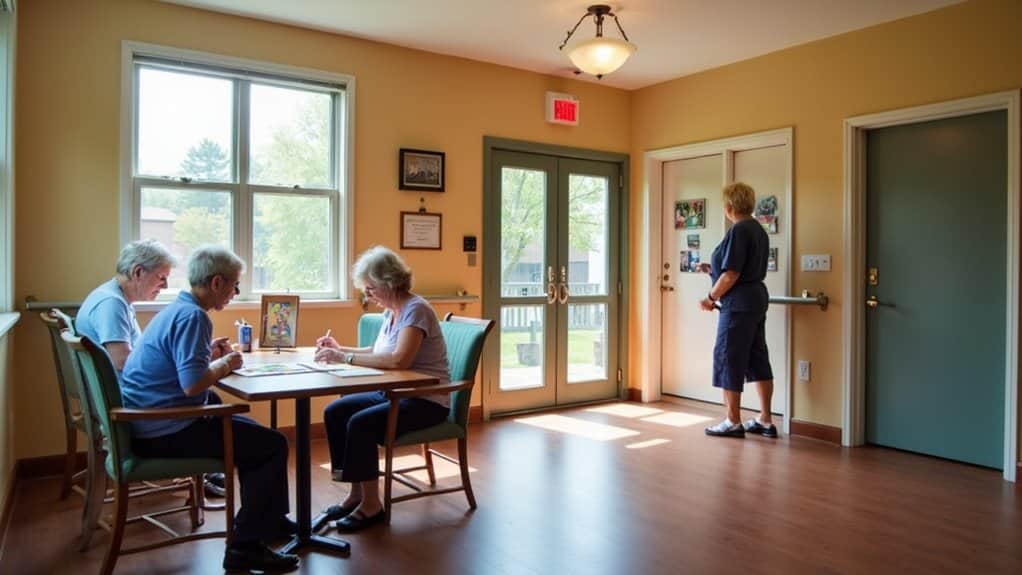
Memory care facilities offer specialized environments and thorough care programs designed specifically for individuals living with Alzheimer’s disease, dementia, and other cognitive impairments. You’ll find thoughtful environmental design features that include easy-to-navigate floor plans, secure outdoor spaces, and color-coded areas to help residents maintain independence while ensuring their safety.
These facilities provide extensive services including 24/7 supervised care, medication management, and assistance with daily activities. Staff members receive specialized training in dementia care and employ evidence-based techniques to manage behavioral challenges. They’ll create personalized care plans that adapt to your loved one’s changing needs.
Family involvement is integral to the care approach. You’ll have opportunities to participate in care planning meetings, attend educational workshops, and engage in facility activities with your loved one to maintain meaningful connections.
Safety and Security Measures in Memory Care Communities

While providing specialized care is essential, the cornerstone of any quality memory care community lies in its detailed safety and security measures. You’ll find that these facilities implement extensive emergency protocols and carefully designed facility layouts to protect residents with memory impairments.
| Security Feature | Purpose | Benefit |
|---|---|---|
| Keypad Entry Systems | Prevent wandering | Resident protection |
| Motion Sensors | Monitor movement | Quick staff response |
| Security Cameras | Surveillance coverage | 24/7 monitoring |
| Emergency Call Systems | Immediate assistance | Rapid intervention |
The facility layout incorporates wide hallways, clear signage, and contrasting colors to help residents navigate safely. You’ll notice secured outdoor spaces that allow freedom of movement while maintaining protection. These communities also feature strategically placed nurses’ stations and emergency response systems throughout the building.
Specialized Staff Training and Care Approaches

Staff members in memory care facilities receive specialized dementia care education that equips them with essential knowledge about cognitive disorders, communication strategies, and therapeutic interventions. You’ll find caregivers trained in evidence-based behavior management techniques that help reduce anxiety, confusion, and agitation among residents experiencing different stages of memory loss. The person-centered approach guarantees each resident receives individualized memory support that respects their unique life story, preferences, and remaining abilities while maintaining their dignity.
Dementia-Specific Caregiver Education
Professional caregivers working in memory care facilities must complete extensive dementia-specific education to provide effective, person-centered care. This specialized caregiver training equips staff with essential skills to understand and address the unique challenges of dementia care.
Key components of dementia care education include:
- Understanding different types of dementia and disease progression
- Learning communication techniques for residents with cognitive impairment
- Mastering behavioral intervention strategies and de-escalation methods
- Implementing safety protocols and fall prevention measures
You’ll find that trained caregivers can better recognize subtle changes in residents’ conditions, respond appropriately to challenging behaviors, and maintain dignity throughout care delivery. This education emphasizes the importance of creating meaningful connections while managing the complex symptoms associated with memory loss, ensuring residents receive compassionate and skilled support customized to their needs.
Behavior Management Techniques
Building on extensive dementia education, effective behavior management techniques form the cornerstone of quality memory care. You’ll find that staff members employ evidence-based behavioral interventions customized to each resident’s unique needs and triggers. These approaches include redirection, validation therapy, and environmental modifications to reduce agitation and anxiety.
Staff members prioritize emotional support through consistent daily routines and meaningful activities that promote dignity and independence. They’re trained to recognize early signs of distress and implement calming strategies before behaviors escalate. When challenging situations arise, they utilize person-centered techniques such as therapeutic communication and sensory engagement to help residents feel secure and understood.
Memory care specialists also document behavioral patterns and responses, allowing them to refine their approaches and share successful interventions across the care team.
Person-Centered Memory Support
To deliver exceptional memory care, specialized training equips our team members with person-centered approaches that honor each resident’s unique life story, preferences, and abilities. Our staff receives ongoing education in delivering individualized care that adapts to each person’s changing needs while maintaining their dignity and independence.
We implement extensive memory support through:
- Daily assessments of cognitive function and emotional support needs
- Personalized activity plans that reflect personal interests and past experiences
- Regular family communication to understand resident history and preferences
- Integration of familiar routines and meaningful objects from home
Our person-centered philosophy guarantees we’re meeting residents where they are cognitively while providing consistent, compassionate care. This approach helps reduce anxiety and creates a more engaging, fulfilling environment customized to each individual’s experience with memory loss.
Daily Activities and Memory-Enhancing Programs
Activities and enrichment programs form the cornerstone of high-quality memory care, offering residents essential cognitive stimulation while maintaining their sense of purpose and engagement. You’ll find structured daily routines that include memory games, puzzles, and interactive brain exercises designed to support cognitive function and slow memory decline.
Social activities play an important role in residents’ emotional well-being. Group discussions, music therapy, and art classes help maintain interpersonal connections while stimulating mental acuity. Physical activities, such as gentle exercise classes and walking clubs, promote both cognitive health and motor skills.
Each program is carefully crafted to match residents’ abilities and interests, ensuring they remain actively involved without feeling overwhelmed. Staff members monitor participation and adjust activities to accommodate changing cognitive needs while preserving dignity and independence.
When to Consider Memory Care for Your Loved One
Recognizing the warning signs that your loved one needs memory care requires careful attention to changes in their daily functioning, safety awareness, and general well-being. You’ll want to monitor key indicators such as medication management issues, wandering behaviors, personal hygiene decline, or increased confusion with familiar tasks. Making the shift to memory care becomes essential when you can no longer provide the level of specialized support and supervision they need to maintain their quality of life and safety.
Warning Signs Matter Most
When should you start considering memory care for someone you love? Early detection of cognitive decline can make a significant difference in your loved one’s quality of life. Warning signs often emerge gradually, but recognizing them promptly allows for better care planning and shift timing.
Watch carefully for these critical indicators:
- Frequent confusion with daily tasks, like paying bills or following recipes
- Unsafe behaviors, such as wandering or leaving appliances on
- Declining personal hygiene or inability to manage medications
- Social withdrawal or personality changes that seem out of character
Don’t wait until a crisis forces your hand. If you’ve noticed several of these warning signs, it’s time to consult their healthcare provider about memory care options. Early intervention often leads to better outcomes and smoother shifts for your loved one.
Making The Right Choice
Deciding to move a loved one into memory care ranks among the most emotionally challenging decisions you’ll face as a caregiver. When evaluating options, focus on facilities that prioritize family involvement and offer thorough transition support.
| Assessment Areas | What to Look For | Red Flags |
|---|---|---|
| Staff Interaction | Engaged, patient-focused | Dismissive attitude |
| Environment | Secure, home-like setting | Institutional feel |
| Activities | Personalized programs | One-size-fits-all |
| Family Support | Regular updates, open visits | Limited communication |
Consider scheduling multiple visits at different times to observe daily operations. You’ll want to evaluate staff ratios, security measures, and activity programs. Don’t hesitate to ask about their transition process – quality facilities offer structured support to help both residents and families adjust to this significant change.
Cost and Financial Planning for Memory Care
Although the need for memory care may feel overwhelming, understanding the financial aspects can help you make informed decisions for your loved one’s future. Memory care costs typically range from $3,000 to $7,000 monthly, varying by location and level of care. It’s crucial to investigate insurance options and create realistic budget considerations early in your planning process.
Common funding sources for memory care include:
- Long-term care insurance policies
- Veterans’ benefits for qualifying individuals
- Medicare/Medicaid coverage options
- Personal assets and retirement savings
You’ll want to work with a financial advisor who specializes in elder care to evaluate your loved one’s resources and create a sustainable financial plan. Consider factors like medication costs, specialized care services, and potential future medical needs when developing your budget strategy.
Frequently Asked Questions
Can Residents Bring Their Own Furniture and Personal Belongings?
Yes, you’ll typically be able to bring personal belongings and furniture to personalize your living space. Most facilities encourage personalization options to help create a familiar, comfortable environment. However, you’ll need to follow specific furniture guidelines regarding size and safety requirements. It’s best to check with your chosen facility about their policies, as they may have restrictions on certain items to maintain safety and accessibility standards.
What Is the Visitor Policy and Are There Designated Visiting Hours?
Most facilities maintain flexible visitor guidelines while ensuring residents’ safety and routines. You’ll typically find open visiting hours during daytime and early evening, though it’s best to check specific visiting arrangements with the facility. You’re encouraged to visit your loved ones regularly, as family connections are essential for emotional well-being. Staff may suggest ideal visiting times based on your loved one’s daily schedule and cognitive alertness patterns.
How Often Do Residents Receive Medical Check-Ups From Doctors?
You’ll find that residents receive regular medical assessments as part of their thorough care plan. Most facilities schedule routine doctor visits every 30-60 days, though this can vary based on individual needs. Daily health monitoring is conducted by on-site nursing staff, who track essential signs and observe any changes in condition. If there’s a medical concern between scheduled visits, the facility can arrange extra physician consultations to guarantee your loved one’s well-being.
Are Pets Allowed to Visit or Live With Residents?
Most facilities welcome pet visits as they recognize the benefits of pet therapy for residents’ emotional well-being. You’ll find that policies vary by location, but many places allow family members to bring pets during scheduled visits. While permanent pet residency is less common, some facilities do permit emotional support animals with proper documentation. You’ll want to check your specific facility’s guidelines regarding vaccinations, size restrictions, and supervision requirements for visiting or resident pets.
What Happens if a Resident’s Condition Significantly Improves or Worsens?
If your loved one’s condition notably changes, the facility’s care team will conduct a thorough assessment to adjust their care plan accordingly. For advancements, they’ll modify support levels to promote independence while maintaining safety. If their condition worsens, you’ll see improved condition management with increased supervision and specialized care adjustments. The facility will communicate these changes with you and may discuss whether their current care level remains appropriate.