



Your complete senior home safety checklist for 2025 combines essential fall prevention with smart technology solutions. Start by removing tripping hazards, installing grab bars, and upgrading to nonslip flooring throughout your home. Add smart features like motion-sensor lights, voice controls, and emergency alert systems. Don’t forget basic safety elements like smoke detectors and clear evacuation plans. Our all-encompassing guide breaks down every critical modification you’ll need for safe, independent aging in place.
Essential Fall Prevention Modifications for Aging in Place
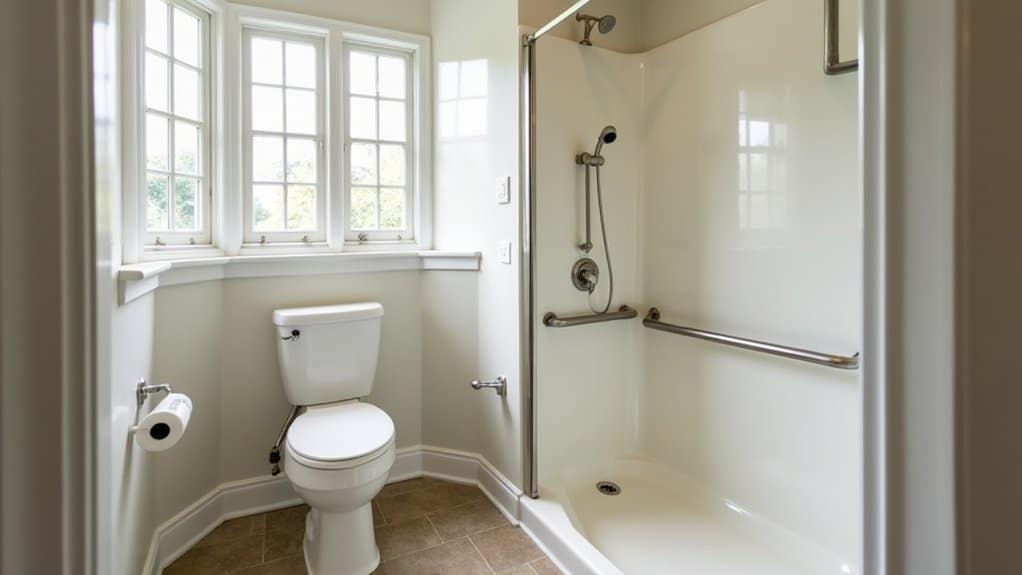
While aging in place offers seniors independence and comfort, making essential fall prevention modifications to their homes is crucial for their safety and well-being. Start by eliminating tripping hazards remove loose rugs, secure exposed cords, and clear clutter from walkways. Install nonslip mats and nonslip flooring throughout the house, paying special attention to bathrooms and kitchen areas.
Don’t overlook the importance of proper lighting. Replace dim bulbs and add lamps in dark corners to guarantee clear visibility. Install grab bars in bathrooms and consider upgrading to walk-in showers for safer bathing. Make accessibility changes like replacing doorknobs with lever handles and lowering light switches. These modifications work together to create a safer environment, substantially reducing fall risks while maintaining your independence as you age in place.
Smart Home Features for Enhanced Senior Safety
Modern smart home technology offers powerful safety solutions for seniors who want to maintain their independence while staying protected. Voice-controlled smart home devices let you manage lights, appliances, and security systems effortlessly, while motion-sensor lights automatically illuminate your path to prevent falls.
To enhance your in-home care safety, install security cameras and video doorbells to monitor visitors remotely. Water sensors paired with automatic shut-off valves protect against dangerous leaks and flooding. For complete peace of mind, wear emergency alert devices that detect falls and instantly notify caregivers or emergency services if you need help.
These smart home features work together to create a safer living environment, allowing you to age in place confidently while maintaining your independence and security.
Emergency Preparedness and Security Measures
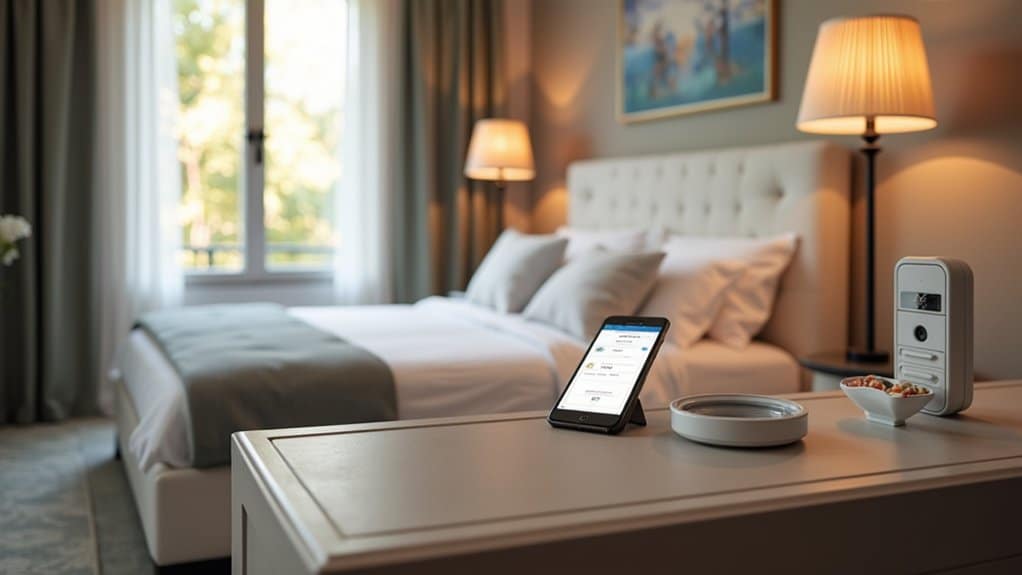
Beyond smart technology, a thorough home safety plan must include robust emergency preparedness measures. You’ll need to install smoke and carbon monoxide detectors throughout the home, making sure they’re equipped with fresh batteries. Keep a fire extinguisher readily accessible in the kitchen and maintain a comprehensive first-aid kit nearby.
For enhanced security, consider installing smart home security devices and a medical alert system that enables quick emergency response. Don’t forget to establish clear emergency evacuation plans, accounting for any assistive devices the senior may need. Proper lighting along evacuation routes is vital for safety. Post emergency contact information in visible locations, such as the refrigerator or near telephones, and review these contacts regularly with your senior loved one to confirm the information stays current.
Permanent Home Adaptations for Long-term Independence
Making strategic structural modifications to your home can markedly enhance a senior’s ability to live independently and safely. When planning for aging in place, focus on essential home modifications that address key safety concerns and accessibility needs.
Start with your bathroom by installing grab bars and replacing traditional tubs with walk-in models. You’ll reduce fall risks by switching to nonslip flooring materials like rubber or cork throughout your home. For seniors using mobility devices, widen doorways and add ramps with sturdy handrails at entrances. If you’re living in a multi-story residence, consider installing a chairlift or elevator to guarantee safe floor-to-floor movement. These permanent adaptations create a more accessible environment that supports long-term independence while prioritizing home safety for your senior years.
Cost-Effective Safety Solutions and Resources
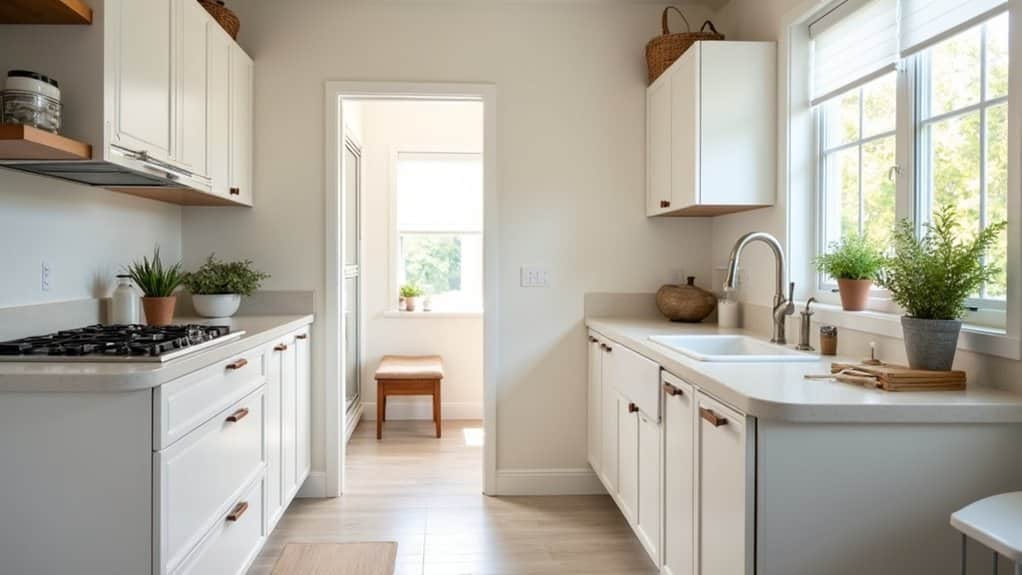
Creating a safer home environment doesn’t have to strain your finances when you know where to find assistance. You’ll find multiple government programs offering assistive funding for home modifications, including USDA Rural Housing Repair loans and HUD’s Older Adult Home Modification Program. Your local Area Agency on Aging can help determine your eligibility for these aging in place resources.
For expert guidance on home accessibility and safety tips, consult the National Association of Homebuilders’ directory of Certified Aging in Place specialists. They’ll help you identify cost-effective solutions for aging at home safely. Consider combining home care services with regular visits to your local senior center for thorough support. This integrated approach to caregiver support guarantees both physical safety and social engagement while maintaining independence through properly planned home modifications.
Evaluating Your Home’s Senior-Friendly Status
Taking a systematic look at your home’s senior-friendly features requires careful evaluation of essential areas like entries, bathrooms, and living spaces while identifying potential hazards that might not be immediately obvious. You’ll want to assess key safety elements including adequate lighting, secure handrails, non-slip flooring, and accessible storage heights throughout each room to spot risks that could lead to falls or injuries. Begin with the most critical modifications first, such as bathroom grab bars and improved lighting, then work your way through other important updates based on your specific mobility needs and daily routines.
Key Areas To Check
When evaluating your home’s safety features for seniors, you’ll need to systematically assess several critical areas that directly impact daily living and emergency response capabilities. Focus on implementing fall prevention measures and accessibility modifications that support successful aging in place.
- Mobility and Fall Prevention: Install nonslip flooring, secure rugs, and maintain well-lit, clutter-free pathways throughout the home.
- Accessibility Features: Replace traditional doorknobs with lever handles, lower light switches, and add touch-activated faucets to enhance daily independence.
- Emergency Preparedness: Guarantee working smoke/CO detectors, accessible fire extinguishers, and a clear emergency response plan are in place.
- Bathroom Safety: Consider walk-in showers, strategically placed grab bars, and slip-resistant surfaces for this high-risk area.
Consult Certified Aging in Place specialists to identify additional home modifications that may benefit your specific situation.
Spotting Hidden Safety Risks
Many potential safety hazards in your home aren’t immediately obvious but can pose serious risks to seniors aging in place. Since falls are the leading cause of injury among seniors, you’ll need to carefully examine areas that often go overlooked. Pay special attention to poor lighting conditions in hallways and stairwells, which contribute profoundly to accidents.
Take extra precautions around showers and near bathroom fixtures, where 80% of falls occur. To reduce fall risks, inspect rugs for secure anchoring and remove any that might slip. Make sure older adults with cognitive challenges have clear pathways and reliable emergency contact systems in place. Don’t forget to check juncture areas between rooms, where subtle changes in flooring height can create unexpected tripping hazards. A thorough home safety assessment could identify and eliminate most dangerous conditions before accidents happen.
Prioritizing Essential Modifications
A systematic approach to home modifications starts with evaluating which changes will make the biggest difference in senior safety and independence. Your home safety checklist should focus on modifications that enable seniors to age in place confidently while addressing the most critical risks first.
- Install grab bars in bathrooms and guarantee adequate lighting with easily accessible light switches throughout the home
- Widen doorways and remove threshold barriers to accommodate mobility devices, making navigation safer and more manageable
- Mount smoke and carbon monoxide detectors on every floor, with clear audio and visual alerts
- Add night lights in hallways and bathrooms, and confirm all stairways have proper lighting and secure handrails
When prioritizing these modifications, consider working with a Certified Aging-in-Place Specialist to create a customized plan that addresses your specific mobility needs and safety concerns.
Frequently Asked Questions
How Often Should Mobility Aids and Assistive Devices Be Professionally Inspected?
You’ll need to schedule professional inspections of your mobility aids and assistive devices at least annually, though some equipment may require more frequent checks. Follow regular maintenance schedules recommended by your occupational therapist, and confirm you’re getting accessibility features inspections every 6-12 months. Don’t skip adaptive equipment adjustments or assistive technology evaluations, as they’re indispensable for independent living suitability. Remember to participate in caregiver training sessions to learn proper device maintenance between professional checks.
What Temperature Should Hot Water Heaters Be Set for Senior Safety?
You’ll want to set your water heater temperature to 120°F (49°C) to prevent scalding while maintaining effective sanitation. Install anti-scald valves and thermostatic controls for additional protection. Follow plumbing code requirements by regularly checking temperature regulation with a thermometer at the faucet. Consider placing temperature-limiting devices on frequently used taps. These scald prevention methods are vital since seniors have thinner skin and slower reaction times, increasing their burn risk.
Are There Tax Deductions Available for Senior Home Safety Modifications?
You’ll find several tax benefits for senior home safety modifications. Federal tax credits and medical expense deductions are available when you make doctor-recommended changes. Check with independent living programs and government assistance programs in your area for accessibility grants. Many states offer home improvement loans specifically for aging in place modifications. Before starting, schedule occupational therapy assessments and home safety inspections to document the medical necessity of your renovations.
How Can Seniors Test Their Reaction Time to Emergency Alert Systems?
You can evaluate your emergency system response time through several practical methods. Start with daily activity timing tests that measure how quickly you react to your alert system. Combine these with visual reaction assessments and auditory cue response checks. Practice physical dexterity exercises and reflex stimulation trials regularly. Don’t forget to include coordination challenge drills and balance examinations to guarantee you’re maintaining ideal response capabilities during emergencies.
Which Indoor Plants Are Safest for Seniors With Respiratory Conditions?
You’ll find peace of mind with non-toxic houseplants like spider plants and snake plants, which naturally purify air without triggering respiratory issues. Consider humidity-regulating greenery such as Boston ferns, or respiratory-friendly succulents that don’t release airborne particles. Air-purifying indoor plants like peace lilies and bamboo palm are excellent low-maintenance botanicals. These senior-safe and pet-friendly options won’t compromise your breathing while adding natural beauty to your living space.