



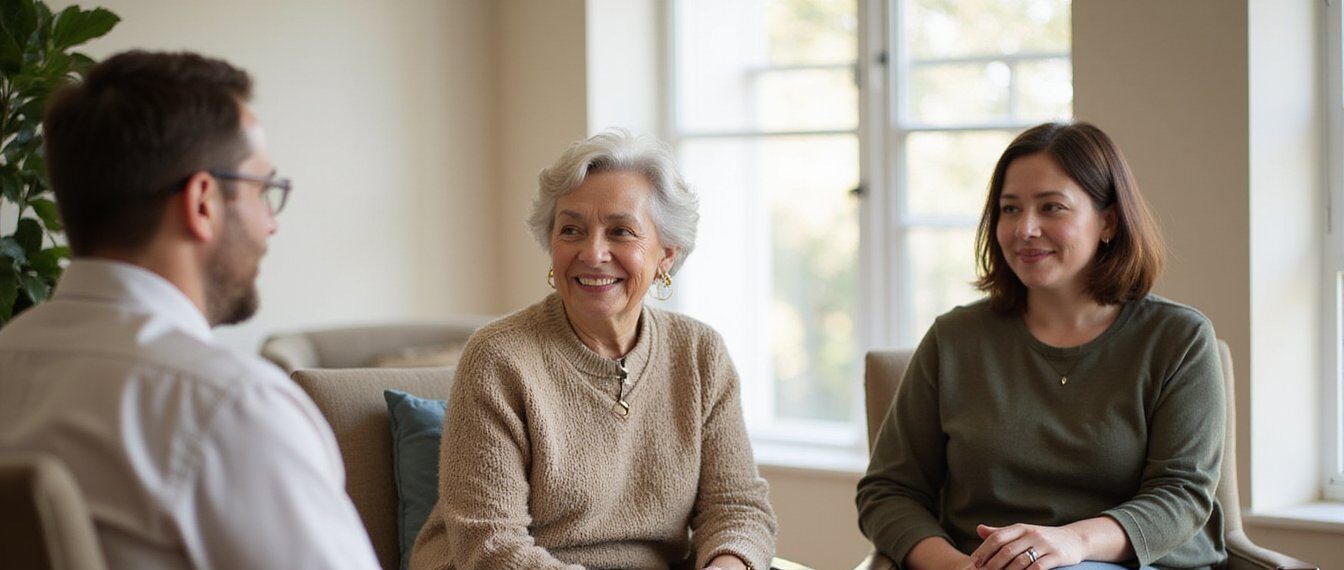

To find local grief support resources, start by talking with your primary care doctor or healthcare team who can connect you to appropriate services. You’ll find specialized support through senior centers, community programs, and faith-based organizations offering grief counseling and support groups. Many hospice organizations provide bereavement programs specifically for older adults, while mental health centers offer professional guidance. Understanding your options will help you create a personalized support network during this challenging time.
Understanding Grief and Loss in Later Life

Anyone who has experienced loss knows that grief is a deeply personal journey, but for older adults, the grieving process often comes with unique challenges. When you’re in your senior years, grief can be intensified by factors like social isolation, declining health, and the accumulation of multiple losses over time.
You might notice physical changes, such as disrupted sleep patterns, decreased appetite, or unusual fatigue. These symptoms, coupled with emotional challenges like feelings of vulnerability and isolation, can make the grieving process particularly overwhelming. Understanding that these reactions are normal is imperative for developing effective coping strategies.
If you’re an older adult traversing loss, know that various support options exist, from senior-focused activities to support groups specifically designed for those experiencing grief in later life.
Senior-Specific Support Groups and Services
When facing grief in your senior years, finding the right support network can make a profound difference in your healing journey. You’ll find numerous senior-specific grief support groups that provide a safe space to express your feelings among peers who understand your experience. Many local organizations offer specialized bereavement support tailored to older adults’ needs.
| Resource Type | Where to Find | Benefits |
|---|---|---|
| Support Groups | Senior Centers | Peer Connection |
| Grief Counseling | Mental Health Centers | Professional Guidance |
| Bereavement Programs | Places of Worship | Spiritual Support |
| Grief Camps/Retreats | Hospice Organizations | Immersive Healing |
| Support Services | Community Centers | Practical Assistance |
During your grieving process, you can access one-on-one grief counseling with therapists experienced in senior care. Additional support services, including transportation and meal delivery, can help manage daily challenges while you focus on healing.
Connecting With Local Healthcare Providers

Your primary care team can serve as your first point of contact for accessing grief support resources, as they understand your medical history and personal circumstances. Hospital social workers stand ready to guide you through available counseling options and can connect you with specialized grief services in your community. These healthcare professionals will work with you to create a personalized support plan that addresses your specific needs during the grieving process.
Primary Care Team Support
Primary care teams serve as valuable allies in traversing the grief journey, offering both immediate support and connections to specialized resources. Your healthcare providers can assess your emotional well-being during regular visits and connect you with appropriate grief support services in your community.
Many practices employ social workers, case managers, and behavioral health specialists who’ll help coordinate your grief-related needs. Don’t hesitate to discuss your experiences with loss during appointments your healthcare team is there to listen and provide referrals to local support groups, counseling services, or bereavement programs that suit your specific situation.
Regular check-ins with your primary care team verify they can monitor your progress and adjust support strategies as needed, making them an essential resource for older adult patients traversing through grief.
Hospital Social Workers Guide
Hospital social workers act as essential navigators in the healthcare system, helping you connect with local grief support resources and services. These compassionate professionals understand that grief requires a safe place to heal and can guide you to appropriate counseling services in your community.
To connect with a hospital social worker:
- Ask your doctor or nurse for a referral to the hospital’s social work department
- Contact the hospital’s main information desk and request to speak with social workers
- Call the hospital’s general referral line and inquire about grief support resources
- Visit the hospital’s website to find direct contact information for social work services
These professionals will assess your needs, provide immediate support, and connect you with local grief counseling programs that match your specific situation and preferences.
Religious and Faith-Based Support Options
If you’re seeking spiritual support during your grief journey, local faith communities offer valuable resources designed specifically for older adults experiencing loss. You’ll find compassionate care through church, synagogue, and interfaith grief support groups, along with access to pastoral counseling and memorial services that honor your spiritual beliefs. These faith-based organizations can provide you with a nurturing environment where you can connect with others who share your values while receiving emotional and spiritual guidance through prayer groups, workshops, and specialized bereavement programs.
Faith Communities Offer Support
When experiencing grief, many older adults find solace and understanding within their faith communities. After the death of a loved one, these spiritual spaces can provide essential Loss Support and guidance for your grief journey. Faith communities offer structured ways to process your feelings while Moving Forward toward Hope and Healing.
- Specialized bereavement support groups that combine spiritual practices with shared experiences
- One-on-one pastoral counseling with clergy members or trained lay leaders
- Regular worship services and rituals that provide comfort and meaning during difficult times
- Interfaith programs designed to meet diverse spiritual needs while connecting you with others who understand your loss
Consider reaching out to local religious organizations, as they often welcome both members and non-members seeking grief support.
Spiritual Comfort During Loss
Spiritual practices and beliefs can become powerful anchors during times of grief. When you’re coping with the death of a loved one, your faith community can provide essential emotional support and validation during the grief process. You’ll find many religious organizations offer specialized bereavement programs where you can share feelings with others who understand your experience.
Consider exploring interfaith or non-denominational support groups if you’re seeking a more inclusive environment. Local places of worship frequently host grief workshops and retreats, while healthcare chaplains can offer spiritual guidance during particularly difficult times. These faith-based resources often combine traditional religious comfort with practical coping strategies, creating a holistic approach to the healing process. Whether you prefer one-on-one counseling or group support, religious communities can help you find meaning and solace in your grief journey.
Community Centers and Senior Programs

While traversing grief can feel isolating, your local community centers and senior programs offer valuable support systems specifically designed for older adults. These places provide essential resources available to families and adults who have experienced the death of a loved one.
Local senior centers provide a welcoming community of support, ensuring no one faces the journey of grief alone.
When you’re grieving the death of someone close, these community programs can help by offering:
- Regular support group meetings where you’ll connect with others coping with grief in similar situations
- Professional counseling services tailored specifically for seniors
- Referrals through Area Agencies on Aging to connect you with specialized grief support resources
- Faith-based grief ministry programs and support groups if you prefer spiritual guidance
Many of these services are affordable or free, ensuring you have access to the support you need during this challenging time.
Online Resources and Virtual Support Networks
The digital age has opened up powerful new avenues for grief support that you can access right from home. You don’t have to grieve alone – online communities like GriefShare provide a safe space to connect with others who understand your journey after losing a loved one. Through video counseling and telemedicine services, you can find professional therapists who’ll guide you through the grieving process from the comfort of your home.
Websites like HealGrief.org offer extensive resources to help you navigate your thoughts and feelings, while social media groups create supportive environments where you can share your story. These virtual networks are especially valuable when in-person support isn’t accessible. Remember, the digital field is for validation and connection there’s always someone ready to listen and support you through your healing journey.
Professional Counseling Services for Older Adults
Professional grief counseling offers a structured path to healing that builds upon the support you might find online. When you’re coping with loss, especially after the death of someone close, having expert guidance can make a significant difference in your healing journey.
- Licensed geriatric psychologists and clinical social workers provide specialized counseling support tailored to your unique needs as an older adult
- Many insurance plans, including Medicare, can help cover the cost of your grief therapy sessions
- You’ll find a supportive environment where you can process the loss of a loved one at your own pace
- Professional counselors can connect you with additional resources, including support groups where you can meet others sharing similar experiences
Don’t hesitate to seek support through these services they’re specifically designed to help you navigate this challenging time.
Frequently Asked Questions
What Resources Are Available to Support Their Bereavement?
You’ll find various compassionate resources to help you through the grieving process. Local support groups and counseling services offer safe spaces to share your experiences. Community centers and spiritual organizations provide specialized grief programs tailored to your needs. Many hospice programs extend bereavement support even if you didn’t use their services. Local charities can connect you with both in-person and virtual support options, ensuring you don’t have to navigate this journey alone.
What Support Is Available for Someone Who Is Grieving?
When you’re grieving, you’ll find multiple sources of support to help you through this difficult time. You can join support groups to connect with others who understand your experience, or seek professional counseling services for personalized guidance. Online forums provide 24/7 connections with fellow grievers, while self-care activities help manage daily stress. Community events offer opportunities to honor your loved one, and learning healthy coping strategies can help you navigate your grief journey.
How Can You Support a Grieving and an Ageing Person?
You can support a grieving older adult by helping them develop emotional coping strategies and maintaining social connections through regular visits and calls. Assist with practical tasks like meal preparation or transportation, and encourage self-care routines including gentle exercise and rest. Consider suggesting mental health counseling or spiritual guidance opportunities if they’re open to it. Most importantly, listen without judgment and validate their feelings as they process their loss.
What Are the 3 C’s of Grief?
The 3 C’s of grief help you navigate your healing journey through acceptance and coping. First, you’ll need Courage to face your pain and loss with mindfulness. Second, Compassion allows you to be gentle with yourself, finding meaning and comfort as you process emotions. Finally, Community connects you with others through counseling and support groups, offering catharsis and closure. Together, these C’s create a pathway for communication, contemplation, and healing.