

Art therapy can transform your emotional wellness journey through scientifically-proven creative activities that boost serotonin levels and enhance brain function. You don’t need artistic experience to benefit from its stress-reducing and confidence-building effects. Whether through watercolor, clay, or collage, you’ll strengthen both physical coordination and cognitive abilities while forming meaningful connections with peers. The therapeutic power of creative expression offers countless pathways to enhanced well-being in your senior years.
Understanding Art Therapy’s Role in Senior Wellness
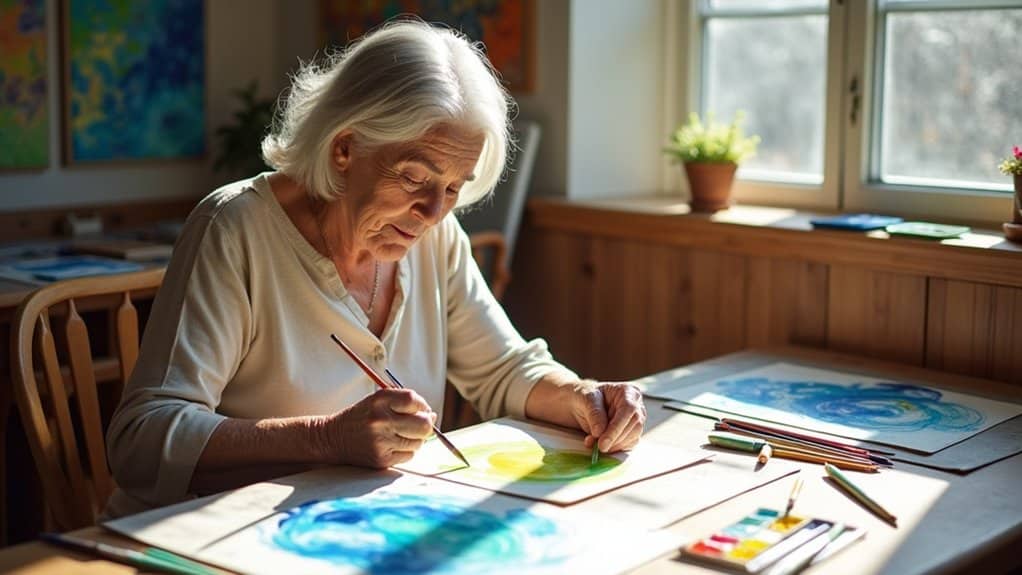
While aging presents unique challenges for mental and physical well-being, art therapy has emerged as a powerful tool for enhancing senior wellness. You’ll find that art therapy offers a thorough approach to health, supporting your emotional, cognitive, and physical needs through creative expression.
As a senior, you can benefit from art therapy’s ability to reduce stress and anxiety while developing healthy coping strategies. Your cognitive abilities may strengthen as art activities help protect against decline and promote more efficient brain function. What’s more, you’ll discover opportunities to connect with others in your community, addressing feelings of isolation through shared creative experiences.
Today’s senior living communities recognize these benefits, providing professional arts spaces where you can explore creativity in a secure, accommodating environment designed for your specific needs.
The Science Behind Creative Expression and Mental Health
The profound impact of art therapy on senior wellness is backed by compelling scientific evidence. When you engage in creative activities, your brain releases serotonin and increases blood flow, directly enhancing your mental health and cognitive function. This biological response isn’t just coincidental it’s a natural mechanism that promotes healing and emotional resilience.
You’ll find that art therapy’s effectiveness stems from its ability to tap into your brain’s innate relationship with creativity. As you express yourself through art, you’re not just creating something beautiful; you’re activating neural pathways that boost self-confidence and reduce stress. Research confirms that this creative engagement improves your cognitive abilities, helps resolve internal conflicts, and strengthens your overall emotional well-being. It’s why art therapy has become such a valuable complement to traditional mental health treatments.
Breaking Down Common Myths About Senior Art Programs
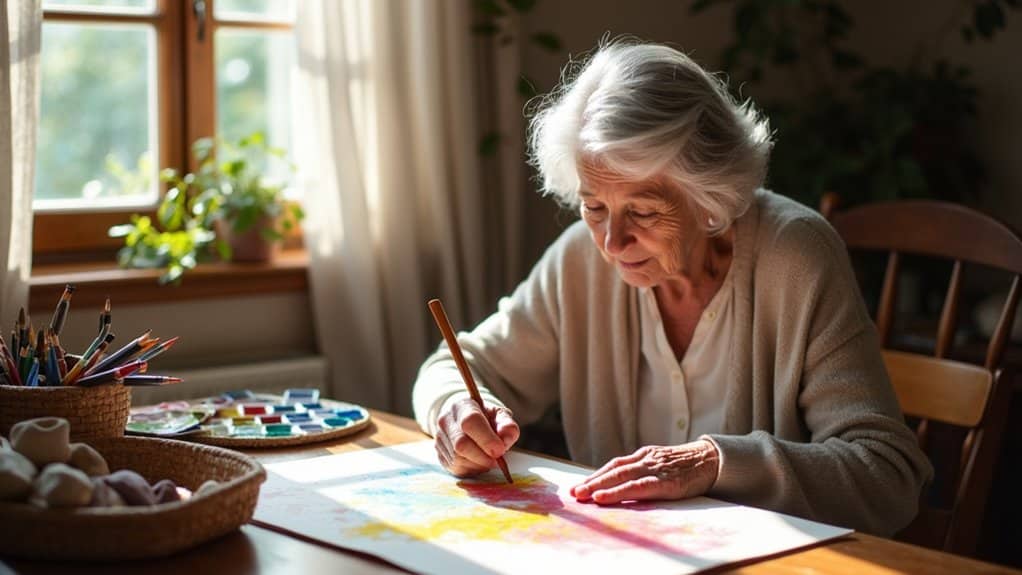
You don’t need to be a trained artist or have previous experience to benefit from art therapy in your senior years. Whether you’re 65 or 95, your ability to express yourself creatively remains intact and can flourish with the right support and encouragement. Art programs designed for seniors focus on exploration and self-expression rather than technical skill, making them accessible and enjoyable for everyone who wishes to participate.
Age Limits Misconceptions Debunked
Many false assumptions about senior art programs stem from outdated stereotypes that don’t reflect today’s vibrant older adult community. You’ll find that older adults aren’t just willing but enthusiastic to embrace new experiences and explore their creativity. Far from experiencing cognitive decline, seniors often demonstrate remarkable openness to trying something new.
Consider these empowering truths about senior artists:
- They approach creative activities with less self-consciousness and more genuine passion than younger participants
- They bring rich life experiences that enhance their artistic expression and help process forgotten memories
- They show remarkable adaptability in learning new techniques, often surprising themselves with their capabilities
Art therapy provides a supportive environment where you can challenge these age-related misconceptions while fostering meaningful connections and personal growth.
Talent Not Required
Building on the understanding that age doesn’t limit creative potential, it’s important to address another common barrier that keeps seniors from exploring art therapy: the misconception that artistic talent is a prerequisite.
You don’t need to be a skilled artist to benefit from art therapy. The focus isn’t on creating masterpieces but on using creative expression to help improve your mental well-being. Whether you’re trying watercolors for the first time or exploring collage-making, there’s no pressure to produce “gallery-worthy” pieces. Art therapy groups create a supportive environment where you can experiment with new techniques without judgment.
What matters most is engaging in the creative process itself. Your therapist will adapt activities to highlight your unique abilities, making the experience enriching and meaningful, regardless of your artistic background.
Physical and Cognitive Benefits of Artistic Activities
While aging can present various physical and cognitive challenges, engaging in artistic activities offers remarkable benefits for senior health. Creating art strengthens your motor skills and muscle coordination through precise movements required for painting, drawing, and sculpting. You’ll notice improvements in your cognitive function as you exercise decision-making and problem-solving abilities during artistic expression.
Art serves as a powerful tool for aging minds and bodies, exercising both motor skills and cognitive abilities through creative expression.
Consider these engaging artistic activities that support both physical and cognitive wellness:
- Watercolor painting – develops hand steadiness and color perception
- Clay modeling – enhances finger dexterity and spatial awareness
- Collage making – improves hand-eye coordination and planning skills
These creative pursuits don’t just result in beautiful artwork they’re exercises for your brain and body, helping maintain crucial functions and promoting overall well-being as you age.
Social Connections Through Group Art Sessions
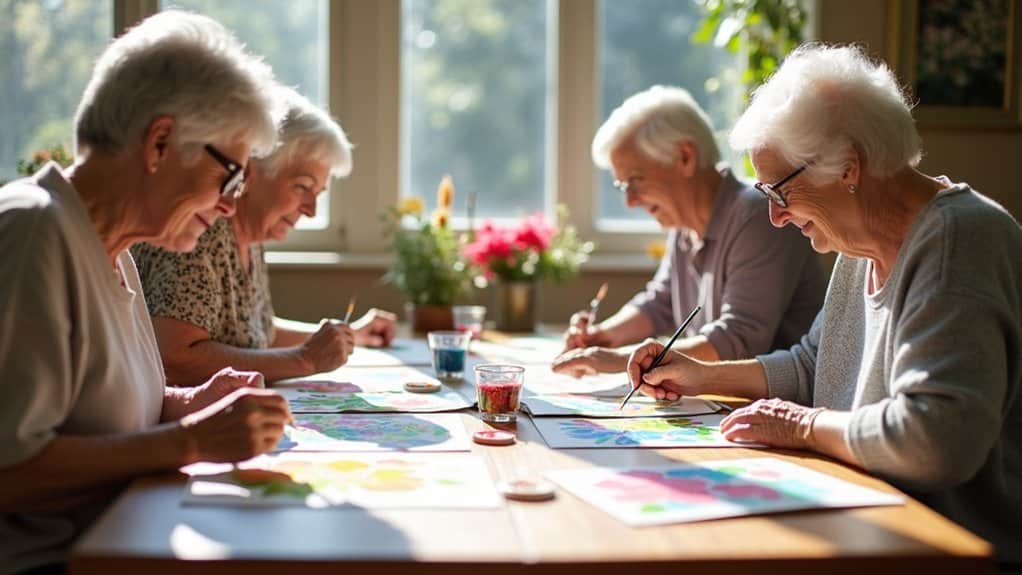
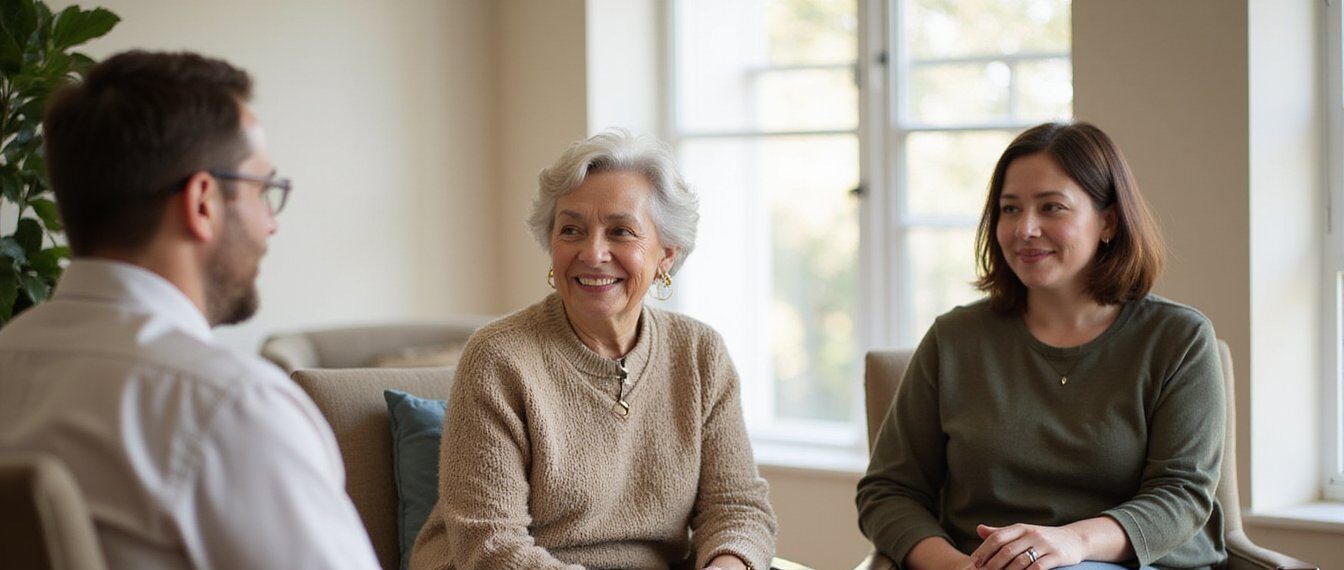
When you join an art therapy group, you’ll discover opportunities to build lasting friendships while expressing yourself creatively alongside peers who share similar interests and life experiences. You’ll find that working on art projects together naturally sparks conversations, stories, and moments of connection that help combat feelings of isolation. Through collaborative creative sessions, you’ll learn from others’ techniques and perspectives while developing a stronger sense of community and belonging.
Building Meaningful Peer Relationships
Through shared creative experiences, seniors discover valuable opportunities to forge meaningful connections with their peers during group art therapy sessions. When you create art alongside others, you’ll naturally develop bonds that can extend beyond the therapy room. These interactions help relieve stress and improve your outlook through genuine social engagement.
Group art therapy offers three key relationship-building benefits:
- You’ll connect with like-minded individuals who share similar life experiences and creative interests
- You’ll participate in supportive conversations while working on artistic projects together
- You’ll develop lasting friendships that can lead to social activities outside the program
Research shows that seniors who regularly attend group art therapy sessions report decreased feelings of isolation and improved emotional well-being, making these creative gatherings an invaluable opportunity for meaningful social connection.
Creative Expression Together
Since creating art in a group setting naturally encourages conversation and camaraderie, you’ll find that group art therapy sessions offer powerful opportunities for social connection. When you engage in creative activities alongside other older adults, you’ll bond through shared art forms and meaningful discussions. The creative process becomes a bridge to new friendships and deeper connections.
| Activity | Social Benefit | Mental Health Impact |
|---|---|---|
| Collaborative Projects | Team Building | Reduced Isolation |
| Group Discussions | Peer Support | Enhanced Belonging |
| Story Sharing | Empathy Building | Improved Mood |
| Creative Expression | Social Bonding | Decreased Anxiety |
| Art Exploration | Community Connection | Boosted Confidence |
As part of extensive mental health care, these group sessions provide a supportive environment where you can freely express yourself while connecting with people who share similar life experiences. You’ll discover that creating together strengthens both your artistic skills and social relationships.
Shared Learning Experience
Learning alongside peers in group art sessions creates a dynamic environment where knowledge and creativity flow freely. In Senior living communities, the benefits of art therapy extend far beyond individual creative expression. When you participate in group sessions, you’ll discover how art therapy can help forge meaningful connections while developing new artistic skills.
Here’s how shared creative experiences help people grow together:
- You’ll learn diverse techniques and approaches by watching and interacting with fellow artists
- You’ll gain confidence through supportive peer feedback and collaborative problem-solving
- You’ll develop lasting friendships that extend beyond the art room
These social bonds form naturally through shared artistic discovery, creating a supportive community where you can express yourself freely while learning from others’ experiences and perspectives. This collaborative atmosphere enhances both your artistic journey and social wellbeing.
Choosing the Right Art Therapy Program
When seeking an art therapy program for seniors, finding the right fit can greatly impact its therapeutic benefits and long-term success. Look for programs led by professionals with a degree in art therapy who specialize in working with older adults to help improve their health and quality of life.
You’ll want to guarantee the program offers various forms of art that accommodate physical and cognitive needs while fostering social connections. Consider whether the activities are tailored to each participant’s abilities and interests. The right program should provide a supportive environment where seniors can explore different creative mediums at their own pace.
Pay attention to scheduling flexibility and program duration to confirm consistent participation. Remember, the goal is to find a program that balances therapeutic value with enjoyable, engaging experiences that enhance overall well-being.
Therapeutic Art Activities for Home Practice
Beyond participating in structured art therapy programs, seniors can benefit tremendously from practicing therapeutic art activities at home. Whether you’re living independently or in assisted living, making art can help reduce stress while promoting healthy emotional expression.
Art offers seniors a powerful way to reduce stress and express emotions, whether creating at home or in assisted living settings.
Try these accessible creative activities to improve your wellbeing:
- Start with simple drawing exercises like doodling or coloring they’re perfect for relaxation and don’t require artistic experience
- Express yourself through journaling or poetry writing to process your thoughts and memories
- Create meaningful photo collections or collages using magazine cutouts to spark joy and mindfulness
Success Stories: Transformations Through Art
Through the transformative power of art therapy, countless seniors have experienced remarkable personal breakthroughs and healing. Research shows that when you benefit from art therapy, you’ll discover new ways to express yourself and reduce feelings of depression. These success stories validate the profound impact of creative expression on senior wellness.
| Client Profile | Transformation Through Art |
|---|---|
| 92-year-old with dementia | Regained self-worth through vibrant painting |
| 85-year-old widower | Processed grief via sculptural work |
| 78-year-old with Parkinson’s | Improved motor skills with collage making |
| Cultural group seniors | Reconnected with heritage through dance |
| 70-year-old cancer survivor | Found healing through visual journaling |
Your art therapist can guide you through similar transformative experiences, helping you tap into creativity for validation purposes and emotional growth. Each brushstroke, movement, or creative decision becomes a step toward renewed purpose and joy.
Getting Started With Art Therapy in Senior Communities
Since many senior living communities now embrace art therapy as a core wellness offering, you’ll find numerous ways to begin your creative journey in a supportive environment. American Art Therapy Association-certified art therapists design programs that focus on positive engagement through creative arts, regardless of your experience level.
Here’s what you can expect when starting art therapy:
- Personalized guidance with modified tools and specialized lighting to accommodate your unique needs
- Welcoming group sessions that foster social connections through collaborative projects
- Access to various mediums like ceramics, painting, and drawing in well-equipped studios
You’ll discover that art therapy isn’t about artistic talent it’s about expressing yourself in a supportive environment that enhances your emotional and cognitive wellness. Your creative journey can begin with a simple conversation with your community’s activities director.
Frequently Asked Questions
How Does Art Therapy Help the Elderly?
Art therapy enhances self-expression, helping you communicate feelings that might be hard to put into words. When you’re creating art, you’ll notice it boosts self-confidence and promotes socialization with others in your age group. You’ll find it reduces anxiety through calming, focused activities while stimulating creativity in new ways. The process strengthens your cognitive abilities and motor skills, giving you a fulfilling way to stay mentally and physically active.
What Are the Emotional Benefits of Art Therapy?
When you engage in art therapy, you’ll experience multiple emotional benefits that can transform your well-being. It reduces stress by helping you focus on creative expression rather than daily worries. You’ll find it improves self-expression, giving you new ways to communicate feelings that might be hard to put into words. Art therapy promotes relaxation, boosts confidence through accomplishment, and enhances mood by releasing positive endorphins. You’ll discover a powerful tool for emotional healing and growth.
Why Is Art Important for Seniors?
Art is essential for you as a senior because it offers multiple benefits that enhance your quality of life. You’ll experience increased social engagement through group activities and meaningful connections with others. Art provides cognitive stimulation that keeps your mind sharp and promotes lifelong learning. You’ll improve fine motor skills through hands-on creative activities, while enjoying powerful opportunities for self-expression. These creative pursuits help you stay active, engaged, and emotionally fulfilled in your golden years.
What Type of Art Is Best for Dementia Patients?
You’ll find that simple, structured art activities work best for dementia patients. Painting activities with basic shapes and colors can help trigger memories, while sculpting workshops using clay offer tactile stimulation. Drawing exercises and collage projects don’t require complex skills and can boost confidence. Music-based sessions are particularly effective as they tap into long-term memory and encourage social interaction. Choose activities that match your loved one’s abilities and interests to guarantee their comfort and engagement.