





Your best aging option depends on your health needs, budget, and lifestyle preferences. While 77% of seniors prefer aging at home with modifications ($218,000 for an ADU), care communities offer varying levels of support at different price points. Independent living runs $2,000-$3,500 monthly, while assisted living averages $4,500. CCRCs provide lifetime care with entrance fees from $100,000 to $1 million. Understanding each option’s costs, benefits, and trade-offs will help you make an informed choice for your future.
Understanding Today’s Senior Living Landscape
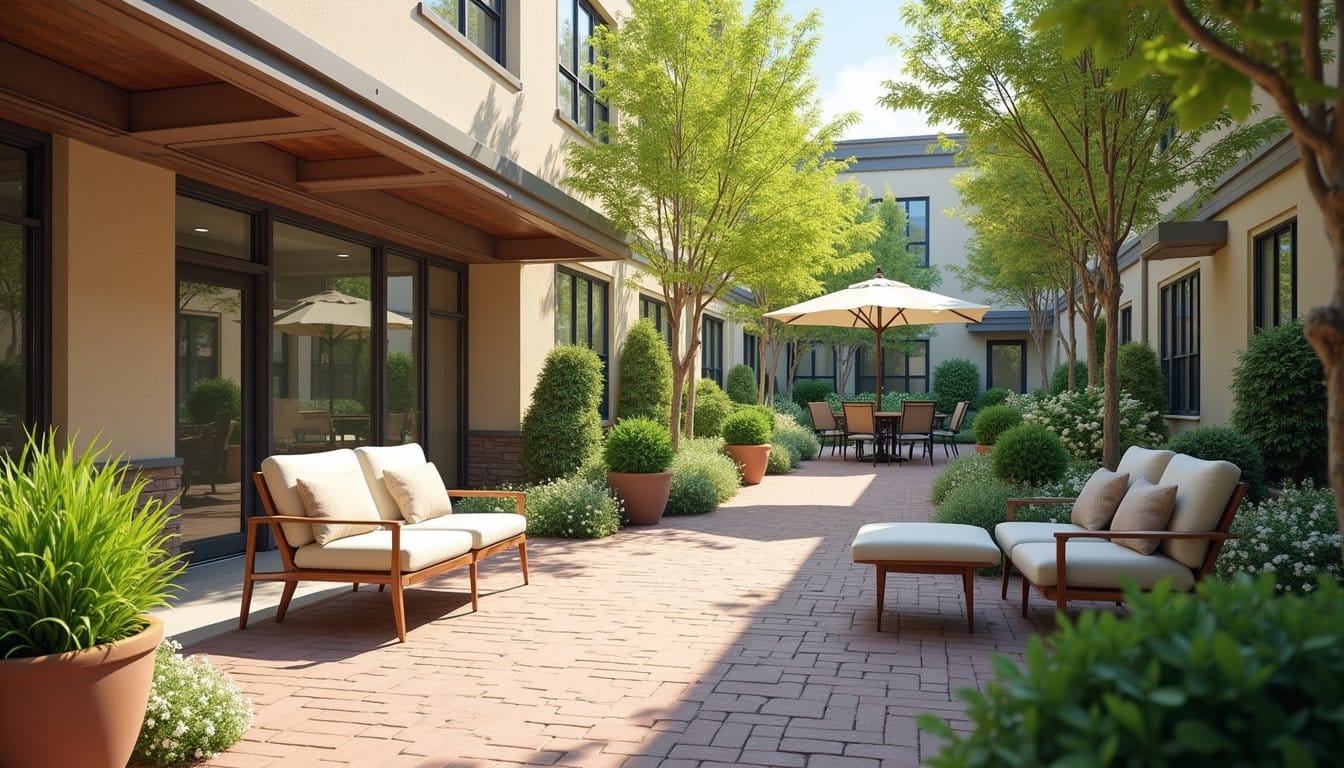
When planning for retirement living, understanding the diverse array of senior housing options is crucial for making informed decisions. Today’s seniors have more choices than ever, from aging in place to various senior living communities designed for different needs and lifestyles.
For those valuing independence, aging in place remains popular, with 77% of seniors preferring to stay in their familiar homes. Independent living communities offer a middle ground, providing amenities and social engagement for self-sufficient seniors at $2,000-$3,500 monthly. Active adult communities cater to healthy seniors seeking vibrant social connections, while assisted living facilities provide more extensive support at around $4,500 monthly. Innovative solutions like ADUs offer a balanced approach, allowing seniors to maintain independence while staying close to family support networks.
The Benefits and Challenges of Aging at Home
Although most seniors prefer to spend their golden years at home, aging in place requires careful planning to balance its significant benefits with potential challenges. Staying in your familiar surroundings offers emotional comfort and financial advantages, especially if you’ve paid off your mortgage.
You’ll need to consider essential home modifications focused on accessibility and fall prevention to create a safer environment. These changes, while requiring upfront investment, typically cost less than shifting to senior care facilities. For additional support while maintaining independence, you might explore adding an ADU to your property, letting you live near family or caregivers. Before proceeding, research your local regulations regarding these dwelling units.
Remember that successful aging in place depends on building strong support networks and adapting your home environment to meet your changing needs.
Making Your Current Home Age-Friendly
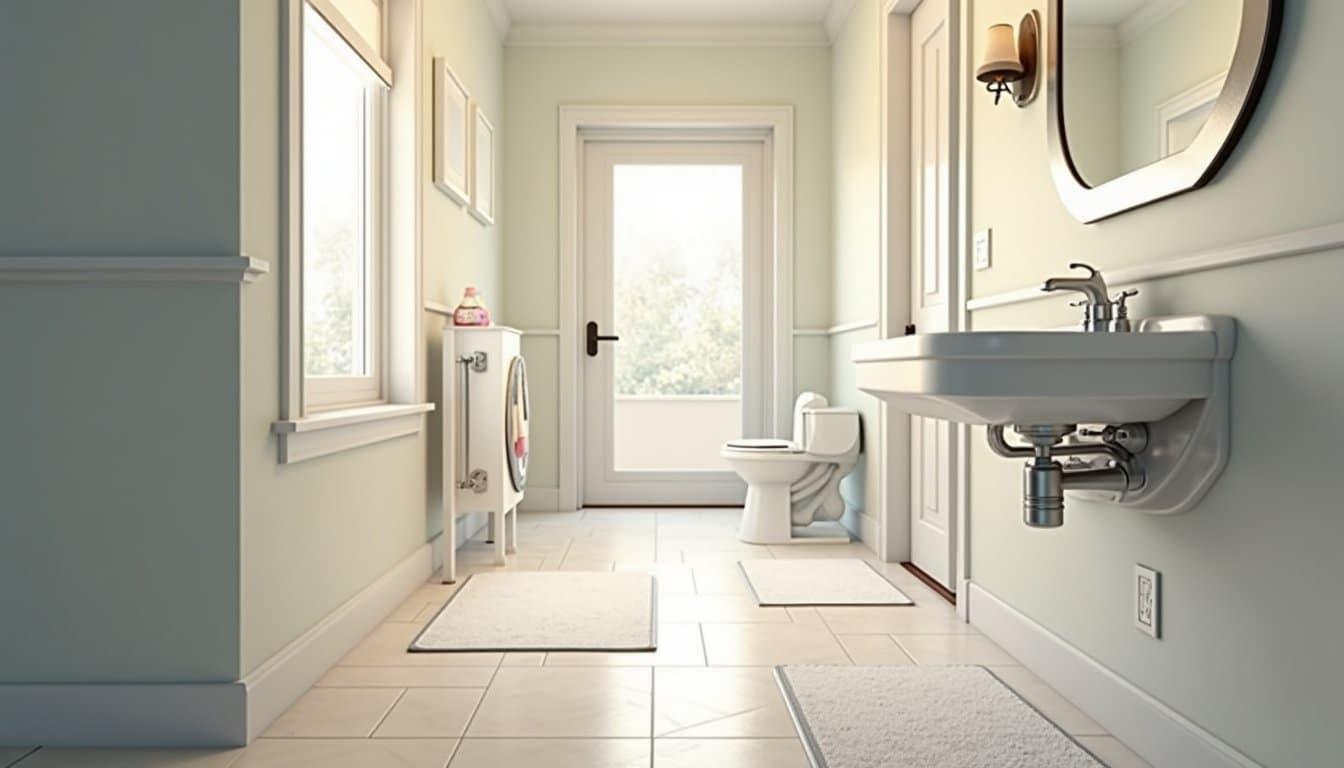
Since most seniors prefer staying in their current homes, making age-friendly modifications early can help you maintain independence and comfort as you grow older. Strategic home modifications focused on fall prevention and accessibility can transform your existing space into a safer environment that supports aging in place.
Consider installing grab bars, non-slip flooring, and improved lighting throughout your home. If you’re looking for a longer-term solution, an Accessory Dwelling Unit (ADU) might be ideal. These units, typically costing around $218,000 for a one-bedroom setup, allow you to stay close to family while maintaining privacy. Before proceeding with an ADU, check your local regulations for specific requirements and restrictions. Remember, investing in home modifications now can be more cost-effective than moving to a care facility later, especially if you’ve already paid off your mortgage.
Accessory Dwelling Units as a Bridge Solution
While ADUs require a significant upfront investment averaging $218,000, they can add nearly $288,000 to your property’s value while creating an accessible living space that supports your independence as you age. You’ll find these self-contained units offer flexible options for multi-generational living, whether you’re moving into the ADU while family members occupy the main house or using it to house a caregiver. The streamlined approval process in many states makes ADUs an increasingly practical bridge solution that lets you maintain your autonomy while staying connected to your support network.
ADU Costs Vs Benefits
Building an Accessory Dwelling Unit (ADU) can pay off both financially and emotionally for seniors seeking aging-in-place solutions. While the initial investment for a one-bedroom ADU averages $218,000, you’ll likely see a property value increase of around $288,000, making it a sound retirement investment compared to assisted living community costs.
As a housing option that bridges independent living and care level needs, ADUs offer flexibility you won’t find in traditional senior care settings. You’ll maintain proximity to family while preserving independence, and you can generate rental income or house caregivers for assistance with daily tasks. With states increasingly requiring cities to permit ADU construction, it’s becoming easier to pursue this alternative. Consider your local regulations and construction costs carefully, as they vary extensively by location and design specifications.
Design For Aging Independence
As seniors seek flexible housing solutions, well-designed ADUs offer a practical bridge between fully independent living and traditional care settings. You’ll find these units provide a perfect balance between maintaining autonomy and staying connected to care services when needed.
| ADU Design Features | Independence Benefits | Care Integration |
|---|---|---|
| Single-level layout | Allows aging in place | Easy caregiver access |
| Accessible bathrooms | Maintains dignity | Assistance with daily tasks |
| Smart home technology | Safety monitoring | Connected to main house |
Unlike traditional living communities, ADUs let older adults remain in familiar surroundings while having support nearby. Whether you’re considering a backyard cottage or an attached suite, these spaces can be customized to accommodate changing needs over time. You’ll avoid the disruption of moving to Assisted living communities while maintaining close proximity to family caregivers who can provide essential Senior Care support.
Multi-Generational Housing Solutions
Looking to create a flexible living arrangement that supports both independence and family caregiving? Accessory Dwelling Units (ADUs) offer an innovative alternative to traditional types of senior living, allowing older Americans to maintain their independence while staying close to support networks.
These self-contained living spaces provide a practical bridge between aging in place and assisted living communities. With ADUs, you’ll have the option to live independently or accommodate family caregivers who can help with activities of daily living. An investment of around $218,000 for a one-bedroom ADU can increase your property value by $288,000 while enhancing quality of life through multi-generational living.
Before building an ADU, research your local regulations regarding short-term rentals and owner occupancy requirements. Many states now encourage ADU construction, with California leading the way in streamlined approvals.
Exploring 55+ and Independent Living Communities
When retirement beckons, many seniors find themselves drawn to the appealing lifestyle offered by 55+ and independent living communities. These communities provide residents with maintenance-free living while fostering social connections that boost health and wellbeing. You’ll find a range of services tailored to older adults’ needs, from dining to transportation.
| Community Type | Monthly Cost | Best For |
|---|---|---|
| Active Adult | $2,000-$2,500 | Independent seniors seeking social engagement |
| Independent Living | $2,500-$3,500 | Those wanting maintenance-free lifestyle |
| Continuing Care | $3,000+ | Planning for future care needs |
| ADU Living | Varies | Staying near family support |
| Resort-Style | $2,800-$3,500 | Active lifestyle enthusiasts |
When choosing a community, consider how it aligns with your desired lifestyle, budget, and long-term needs. Many residents report improved mood and cognitive function through regular participation in community activities.
Assisted Living and Memory Care Options
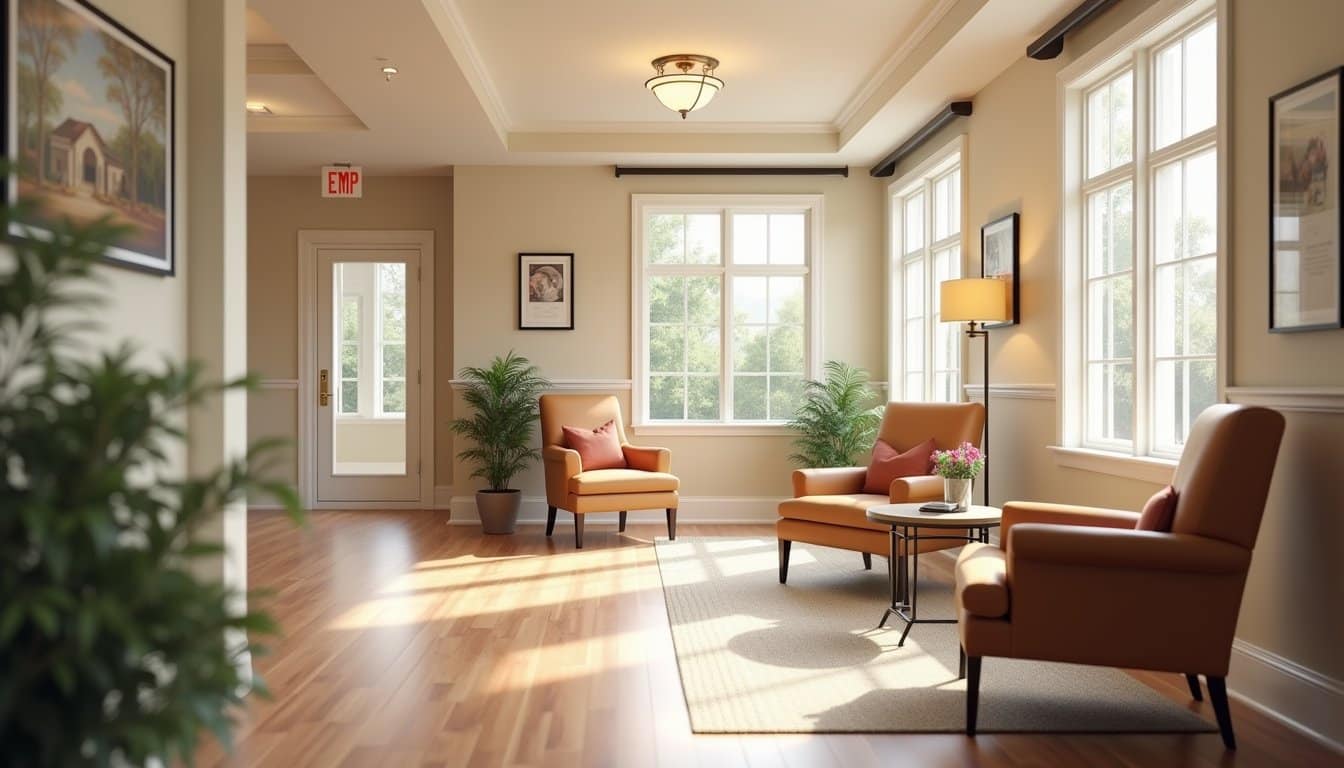
When you’re exploring assisted living and memory care options, you’ll find monthly costs ranging from $5,000 to $7,000, with potential coverage through long-term care insurance or veterans’ benefits. Both types of facilities prioritize resident safety through 24/7 supervision, secure entrances, emergency response systems, and fall prevention features. Memory care communities offer specialized programming tailored to cognitive needs, while assisted living provides personalized support for daily activities and wellness initiatives.
Cost Comparison And Coverage
Understanding the financial landscape of senior care options can feel overwhelming, but it’s essential to break down the costs and coverage details for both assisted living and memory care facilities.
You’ll find that assisted living costs typically range from $3,000 to $7,000 monthly, with a projected median of $6,077 in 2025. These living costs cover housing, personal care, and various amenities. Memory care, which provides specialized care for cognitive impairments, commands higher monthly fees of $5,000 to $7,000, potentially exceeding $10,000 in certain regions. Your total expenses will depend on location, required medical care, and specific services needed.
Before making a decision, evaluate your financial resources, including long-term care insurance and government assistance programs. This careful assessment will help you choose the most suitable and affordable care option for your situation.
Safety And Security Features
Beyond financial considerations, you’ll want to carefully examine the safety and security features that protect residents in both assisted living and memory care communities. These facilities prioritize resident protection through thorough security systems, including 24/7 on-site staff, emergency call buttons, and secure entrances.
Memory care units offer specialized safety measures designed for residents with cognitive challenges. You’ll find advanced wandering prevention technology, secured outdoor spaces, and staff trained in skilled nursing care for dementia patients. Both types of communities maintain robust emergency preparedness plans, working closely with local healthcare providers and law enforcement.
You can expect modern security features like motion sensors, surveillance cameras, and controlled access points. Backup generators and fire suppression systems guarantee continuous care during emergencies, giving you peace of mind about your loved one’s safety.
Specialized Care Programming
The specialized care programming in senior living communities offers distinct pathways tailored to each resident’s unique needs. You’ll find two primary options: assisted living and memory care. Assisted living provides health services ranging from basic support to extensive care, helping you maintain independence while receiving necessary assistance with daily activities and medication management.
If you’re dealing with cognitive impairments, specialized memory care units offer a secure environment with trained staff who understand the unique challenges of Alzheimer’s and dementia. These units feature medical alert systems and personalized care approaches that help residents maintain quality of life. With advancing technology, including AI and predictive analytics, you can expect even more targeted care solutions that adapt to your specific needs, ensuring you receive the right level of support at every stage.
Continuing Care Retirement Communities Explained
When planning for your retirement years, Continuing Care Retirement Communities (CCRCs) stand out as holistic, all-encompassing, or extensive solutions that develop with your needs. These living communities offer you the security of aging in place while providing comprehensive care options for seniors and their families.
| Care Level | Services | Typical Needs |
|---|---|---|
| Independent | Social Activities, Dining | Minimal Assistance |
| Assisted | Daily Support, Monitoring | Regular Help |
| Skilled Nursing | 24/7 Medical Care | Complex Health Needs |
You’ll need to examine substantial entrance fees and monthly costs, but CCRCs provide peace of mind through guaranteed lifetime care. As your health needs change, you’ll seamlessly shift between levels of care without leaving the community. This arrangement allows you to maintain familiar surroundings and relationships while receiving appropriate support throughout your retirement journey.
Financial Considerations for Each Living Option
Understanding financial realities shapes every senior living decision you’ll make. When comparing aging in place to senior communities, you’ll need to weigh both immediate and long-term care costs. Home modifications average $9,000, while assistance with bathing and medication management in assisted living runs about $4,500 per month.
If you own your home outright, you’re among the 20% of seniors with this valuable asset. Adding an ADU offers a strong value proposition, potentially increasing your property value by $288,000. However, CCRCs require a substantial entrance fee ranging from $100,000 to $1 million, plus monthly fees between $3,000 and $6,000. Rental communities provide flexibility, though costs vary drastically by location. Your choice should align with both your financial resources and care needs.
Making the Right Choice for Your Lifestyle
Choosing where to spend your later years represents one of life’s most significant and personal decisions. Living communities typically offer different levels of care, from active adult neighborhoods to comprehensive CCRCs. When choosing the right option, consider your current and future needs, lifestyle preferences, and financial resources.
- Stay in your home with an ADU if you value independence and familiar surroundings
- Select a 55+ community if you’re active and seeking social activities
- Choose independent living when you want maintenance-free living with community amenities
- Consider a CCRC if you’re planning for various levels of care within one location
- Evaluate your support network’s proximity to guarantee the level of care best meets your needs
The key is matching your lifestyle, health requirements, and social preferences with the most suitable living arrangement while considering long-term care needs.
Frequently Asked Questions
What Is the Downside of CCRC?
You’ll face several key downsides when choosing a CCRC. The high cost includes substantial entrance fees and monthly charges that can strain your finances. You’ll experience lack of flexibility with strict rules and restricted independence in your daily activities. Limited services and inadequate care may arise from staffing issues. You might also deal with reduced privacy and potential social isolation, especially when moving between care levels. It’s important to carefully weigh these drawbacks before making your decision.
What Is the Best State for 55 Plus Communities?
Florida consistently ranks as the best state for 55+ residential lifestyles, offering over 800 active adult communities and senior amenity-rich developments. You’ll find attractive age-restricted neighborhood trends throughout the state, with exceptional retiree-focused location selection options. The combination of no state income tax, year-round warm weather, accessible community planning, and multigenerational living options makes Florida particularly appealing. However, Arizona, Texas, North Carolina, and California also offer compelling alternatives depending on your specific preferences and needs.
Where Is the Best Place for 70 Year Olds to Live?
When choosing the best place to live in your 70s, you’ll want to evaluate several key factors. Consider your independent living options and lifestyle preferences first. Florida, Arizona, and North Carolina offer excellent communities with robust social engagement opportunities and extensive medical facilities. You’ll also need to assess transportation accessibility, financial considerations, and community amenities. Don’t forget to factor in climate preferences and proximity to family when making your decision.
What Is the Difference Between a Life Plan Community and a CCRC?
While both options support aging in place, Life Plan Communities emphasize independent living and active lifestyles, offering more social opportunities and wellness programs with lower entrance costs. CCRCs focus heavily on extensive healthcare services and provide more extensive care options. Your lifestyle preferences and independence levels will influence your choice, along with financial considerations. You’ll find fewer maintenance responsibilities in both, but CCRCs typically have higher upfront care costs.