

Strategic home modifications can dramatically reduce your fall risk and help you maintain independence as you age. Focus on key areas like bathrooms and kitchens by installing grab bars, non-slip surfaces, and proper lighting. Add smart features like motion sensors and emergency response systems for enhanced safety. Consider widening doorways and adding support features throughout your home. This exhaustive guide will show you exactly how to transform your living space into a safer environment.
Understanding Fall Prevention Through Strategic Home Design
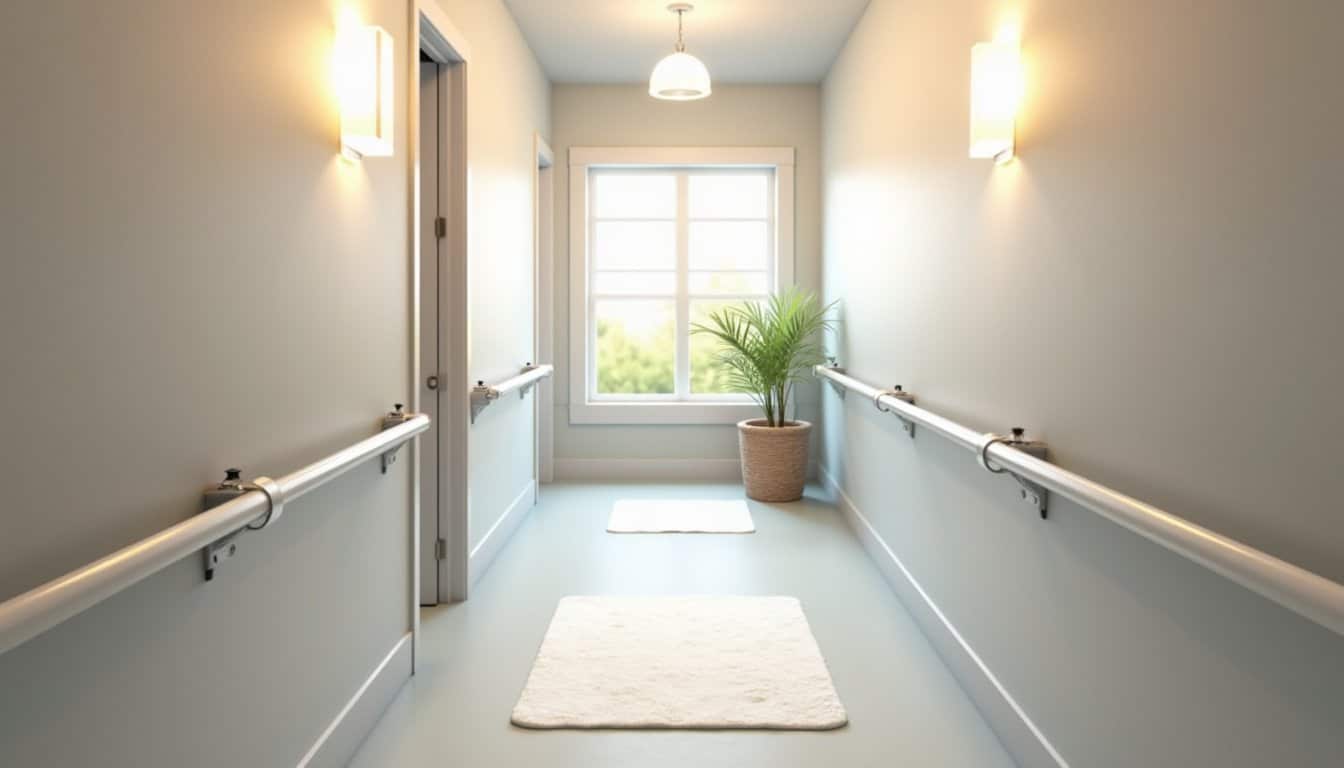
Nearly two-thirds of senior falls happen right at home, making strategic home design modifications essential for maintaining independence and safety. You’ll find that implementing key fall prevention measures can reduce your risk by up to 70% through thoughtful home modifications.
A personalized assessment of your living space will identify critical areas needing attention. Start by securing loose rugs and improving lighting in hallways and stairwells. Install grab bars in your bathroom and consider slip-resistant surfaces in areas prone to moisture. If you’re dealing with mobility challenges, widening doorways and adding ramps can greatly improve accessibility throughout your home.
Creating Safe and Accessible Bathroom Spaces
Why do most senior falls occur in the bathroom? The combination of slippery surfaces, tight spaces, and challenging movements makes bathrooms particularly hazardous, accounting for over 80% of fall-related injuries among seniors.
You can substantially reduce fall risk by implementing key bathroom safety modifications. Installing grab bars near the toilet and in the shower cuts fall risk by half, while replacing traditional tubs with walk-in showers and adding non-slip surfaces improves safety by 70%. A raised toilet seat makes sitting and standing easier, further minimizing fall hazards.
These strategic modifications aren’t just about preventing falls they’re about maintaining your independence and quality of life. By creating a safer bathroom environment, you’ll move with greater confidence and security while performing daily activities.
Essential Kitchen Modifications for Independent Living
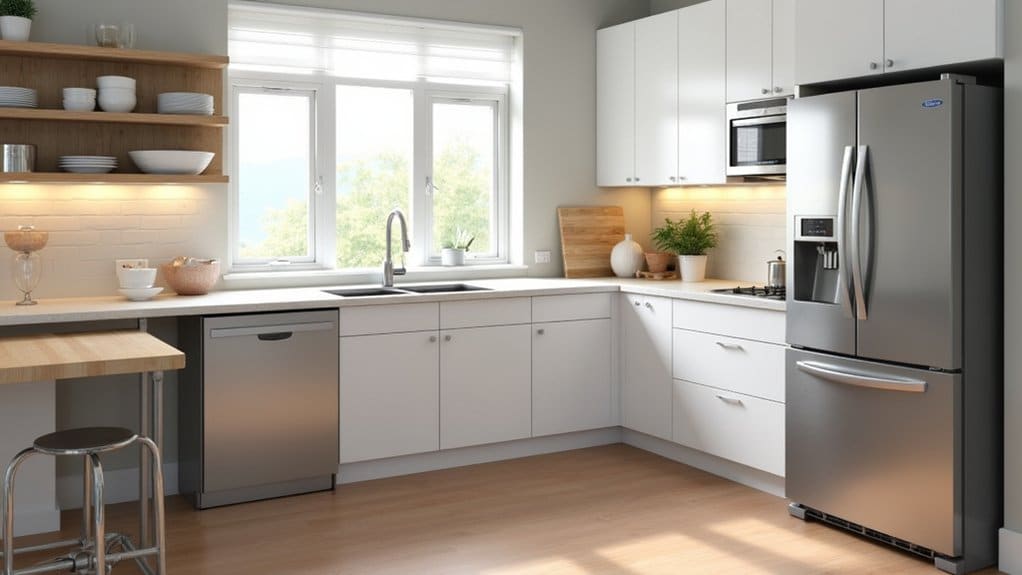
While aging in place requires thoughtful home adaptations, the kitchen demands particular attention as a central hub of daily activity. You’ll find that strategic modifications can vastly reduce fall risks and enhance your safety while living independently. Install nonslip mats and slip-resistant flooring to prevent accidents, and guarantee proper lighting with motion sensors to illuminate your work areas.
| Modification | Safety Benefit |
|---|---|
| Lever Handles | Easier grip for arthritic hands |
| Pull-out Shelves | Reduces reaching and fall risks |
| Contrasting Colors | Improves visibility and depth perception |
| Height-adjustable Counters | Prevents strain while preparing meals |
Consider installing lazy susans in corner cabinets and replacing traditional knobs with lever-style handles. These aging-friendly adjustments make your kitchen more comfortable and accessible while maintaining your independence in this essential living space.
Enhancing Home Safety With Smart Lighting Solutions
Beyond kitchen adaptations, smart lighting solutions represent a major advancement in home safety for aging adults. By improving lighting throughout your living environment, you’ll create a more accessible and comfortable living space that drastically reduces fall risks. Motion-sensor lights automatically illuminate your path in critical areas, while voice-activated controls make managing your home’s lighting effortless.
For optimal home safety and comfortable living, consider these essential lighting modifications:
- Install LED motion-sensor lights in hallways, staircases, and bathrooms to guarantee consistent illumination during nighttime navigation
- Implement dimmable lighting systems that you can adjust throughout the day as your vision needs change
- Add smart home safety features like voice-controlled lighting and remote switches to maintain independence in your daily routines
These strategic lighting improvements will enhance both your safety and confidence while aging in place.
Building Better Mobility With Proper Installation of Support Features
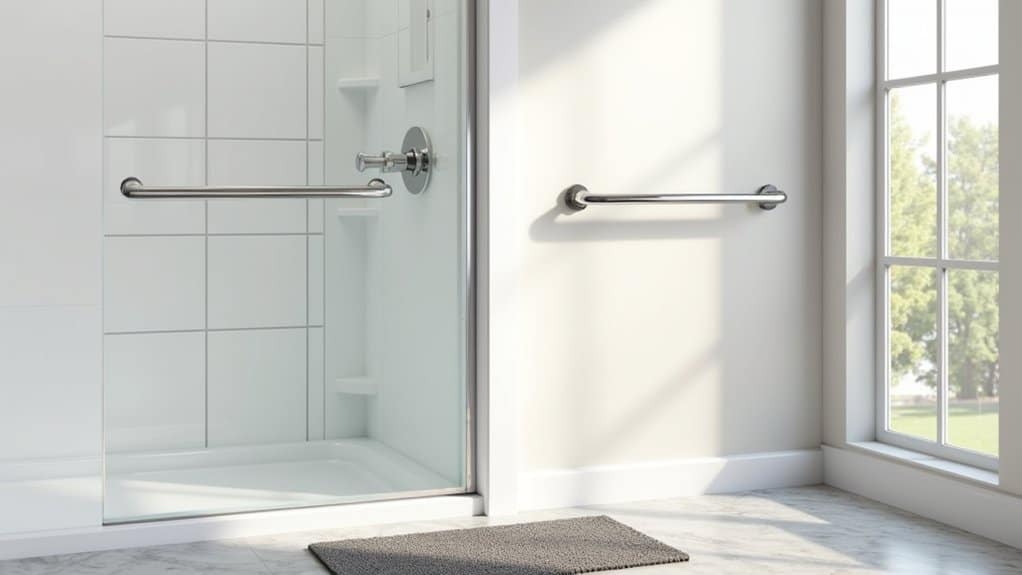
Because proper mobility support can dramatically impact independence and safety, installing the right features in your home requires careful planning and professional expertise. When implementing Aging in Place modifications, you’ll want to focus on key areas that promote both accessibility and security.
Start by installing grab bars in your bathroom, which can cut fall risks in half for seniors. Don’t forget to address slippery floors with nonslip surfaces. If you’re having difficulty detecting changes between rooms, consider widening doorways to accommodate mobility devices. Replace traditional doorknobs with lever handles for easier grip, and install ramps at entrances to eliminate step hazards. For maximum effectiveness, combine these modifications with other accessibility features like pull-out shelves and lower countertops. Each improvement contributes to a safer, more navigable living space.
Emergency Preparedness and Alert Systems for Peace of Mind
Modern alert systems can dramatically increase your safety at home by providing instant access to emergency services through wearable devices, smart home technology, or mounted call buttons. You’ll gain peace of mind knowing that help is always within reach, whether you experience a fall, medical emergency, or other urgent situation. Smart monitoring solutions can automatically detect incidents and notify your caregivers or emergency contacts, ensuring you receive assistance even if you’re unable to activate the alert system yourself.
Alert Systems Save Lives
When safety and independence are top priorities for aging adults, Personal Emergency Response Systems (PERS) offer an essential lifeline that can make all the difference in an emergency. These alert systems enhance your living space with affordable safety measures that promote fall prevention and maintain independence and quality of life.
Your emergency preparedness strategy should include professional assessment to guarantee your medical alert system meets local standards. Smart home technology integration can further enhance your safety network.
Key benefits of installing PERS include:
- Immediate access to emergency assistance, reducing response time during critical situations
- Affordable monthly fees ($20-$45) with various financial assistance options through Medicaid and veterans benefits
- Integration with smart home features like voice-activated assistants and remote monitoring for thorough safety coverage
Fast Emergency Response Options
Building on the foundation of PERS technology, fast emergency response options now offer unprecedented ways to protect yourself or your loved ones at home. Personal Emergency Response Systems provide 24/7 emergency assistance through wearable medical alert devices, letting you summon help with a single button press, even after a fall.
You’ll find PERS solutions remarkably affordable, with monthly emergency monitoring fees between $20 and $45. Many home modification programs offer these systems at reduced rates or no cost, helping you live safely and independently. To augment your emergency preparedness further, consider integrating smart home technologies like voice-activated assistants and remote monitoring systems. These modern solutions work alongside traditional PERS devices, creating an inclusive safety net that guarantees quick emergency response whenever you need it.
Smart Monitoring Technology
Smart monitoring technology steps up home safety to new levels, combining advanced sensors, medical alerts, and remote monitoring capabilities into an all-encompassing protection system. With Personal Emergency Response Systems (PERS) and smart home devices, you’ll create a safer environment that provides instant access to emergency assistance while maintaining your independence.
- Motion sensors and voice-activated assistants can detect unusual activity patterns and potential falls, automatically notifying caregivers or emergency services
- GPS tracking features guarantee quick location identification during emergencies, while telehealth services and remote patient monitoring keep you connected to healthcare providers
- Automated medication dispensers help maintain proper medication schedules, reducing the risk of falls and other complications from missed doses
These interconnected technologies work together to provide thorough protection and peace of mind for both you and your loved ones.
Frequently Asked Questions
What Are Home Safety Interventions for Older Adults?
You’ll enhance your safety through key home interventions. Start with fall prevention strategies like non-slip flooring options and bathroom grab bar placement. You should improve lighting in dark areas and install stairway handrails. Consider easy access storage solutions and mobility device storage to keep pathways clear. Don’t forget electrical safety checks, outdoor ramp construction if needed, and emergency response systems. These modifications will help you maintain independence and prevent accidents.
What Are Home Modifications as a Way for an Older Person to Age in Place?
You can make your home more age-friendly with key modifications that support independent living. Consider installing wheelchair accessibility features, non-slip flooring, and level entry thresholds throughout your house. You’ll benefit from grab bars and bathroom safety features, while home automation systems can simplify daily tasks. Don’t forget task lighting upgrades, medication management systems, and emergency alert devices. If needed, a stair lift installation can help you navigate multiple floors safely.
What Are Three Things That Could Be Difficult for an Elderly Person to Do in the Kitchen?
When you’re aging, you’ll likely find three main kitchen activities particularly challenging. First, reaching upper cabinets can strain your shoulders and increase your fall risk when using step stools. Second, standing for long periods while cooking may cause fatigue and balance issues. Third, gripping utensils tightly or carrying heavy pots and pans becomes difficult as your hand strength decreases, making meal preparation more challenging and potentially unsafe.
What Does an Elderly Person Need at Home?
You’ll need several key modifications to make your home safer and more accessible as you age. Start with mobility aids and grab bars installation in critical areas. Consider non-slip flooring and lighting improvements throughout your home. If needed, you might require stair lifts installation or ramp construction. Don’t forget bathroom renovations and kitchen counter updates to enhance accessibility. Finally, invest in adaptive equipment to help maintain your independence and safety in daily activities.