





To manage sundowning in dementia patients, you’ll need to focus on maintaining consistent daily routines and creating a calm environment during late afternoon and evening hours. Keep the space well-lit, quiet, and temperature-controlled (70-72°F), while scheduling demanding activities earlier in the day when alertness peaks. Use clear, gentle communication and validate feelings without arguing. Natural remedies like light therapy can help, but medication might be necessary for severe cases. Understanding the specific triggers affecting your patient will lead to more effective management strategies.
Understanding the Signs and Symptoms of Sundowning
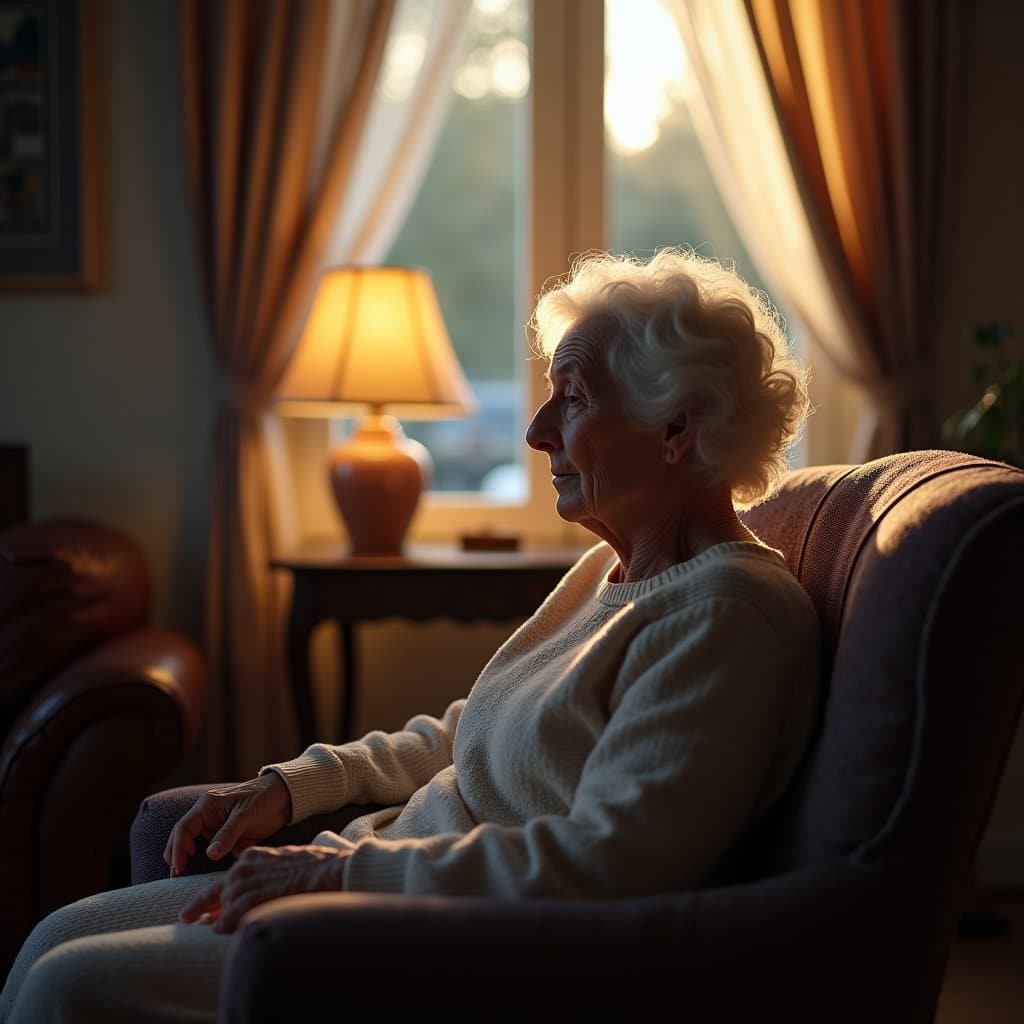
Sundowning syndrome manifests as a distinct pattern of behavioral changes that typically emerge in the late afternoon or early evening hours among people with dementia.
You’ll notice signs like increased confusion, anxiety, and agitation in your loved one. They may pace restlessly, become suspicious, or have difficulty following directions. Common emotional responses include fear, depression, and resistance to care. Your family member might shadow you, refuse to eat, or experience mood swings.
Understanding sundowning triggers is essential for management. Watch for environmental factors such as dimming light, changes in routine, fatigue, or unfamiliar surroundings. You may also observe physical symptoms like yelling, wandering, or aggressive behavior. These symptoms often worsen as the sun sets and can persist into the night, disrupting sleep patterns and causing exhaustion for both patients and caregivers.
Environmental Factors That Trigger Sundowning Behaviors
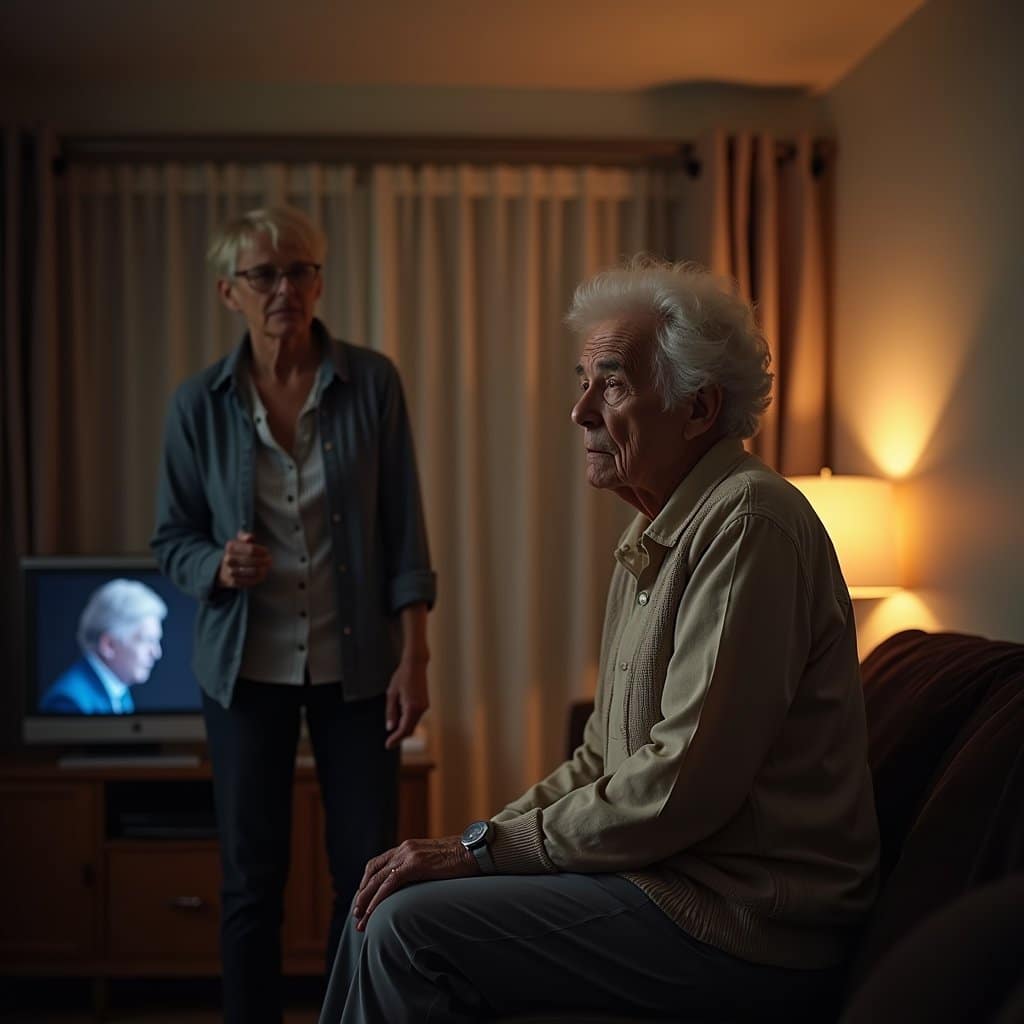
When caring for someone with dementia, you’ll find that different environmental elements can either trigger or exacerbate sundowning symptoms. Understanding these triggers can help you create a more supportive environment that minimizes distress and agitation.
| Environmental Factor | Impact | Management Strategy |
|---|---|---|
| Light Exposure | Disrupts circadian rhythm | Implement gradual lighting adjustments |
| Noise Level | Increases confusion | Reduce background sounds, use white noise |
| Room Temperature | Affects comfort, anxiety | Maintain consistent 70-72°F |
| Sensory Stimulation | Can overwhelm patients | Remove clutter, limit TV/radio use |
You’ll need to monitor how your loved one responds to these environmental factors throughout the day. Making appropriate adjustments to lighting, noise levels, and general sensory stimulation can greatly reduce sundowning behaviors and improve their quality of life.
Creating a Structured Daily Routine for Better Management

Beyond managing environmental triggers, establishing a consistent daily schedule serves as a powerful tool in reducing sundowning behaviors. You’ll want to structure daily activities around your patient’s natural rhythm, planning more demanding tasks during their peak alertness hours, typically in the morning. Schedule meals, medications, and exercise at consistent times each day.
While maintaining consistency is essential, you’ll need to build some routine flexibility into the schedule to prevent frustration when unexpected changes occur. Pay attention to your patient’s energy patterns and adjust activities accordingly. If you notice increased agitation during certain activities, consider rescheduling them to earlier hours. Keep a log of successful timing patterns and share these insights with other caregivers to maintain continuity of care across different shifts.
Effective Communication Strategies During Sundowning Episodes
Communicating effectively with dementia patients during sundowning episodes requires a careful balance of verbal and non-verbal techniques. You’ll need to maintain a calm, reassuring tone while practicing empathetic listening to understand their concerns and anxieties.
When giving clear instructions, keep your sentences short and simple. Break down tasks into manageable steps, and use gentle hand gestures to reinforce your words. Don’t argue or correct their perceptions; instead, validate their feelings and redirect their attention to soothing activities.
Remember to position yourself at eye level, maintain appropriate eye contact, and speak slowly without raising your voice. If they become agitated, step back briefly while staying visible, then approach again with a peaceful demeanor. Your body language should consistently convey patience and understanding throughout the interaction.
Natural and Medical Treatment Options to Consider
Although managing sundowning symptoms requires a multi-faceted approach, you’ll find both natural and medical interventions can help reduce its severity. Natural remedies like light therapy, aromatherapy, and melatonin supplements can effectively calm agitation. When these aren’t sufficient, your doctor might recommend medication options, including antipsychotics or sedatives, but only after careful evaluation.
| Treatment Type | Benefits | Considerations |
|---|---|---|
| Light Therapy | Regulates sleep cycle | Use early in day |
| Aromatherapy | Reduces anxiety | Test for sensitivities |
| Medications | Controls severe symptoms | Monitor side effects |
You’ll want to start with the least invasive options initially, gradually moving to stronger interventions if needed. Remember to track your loved one’s response to each treatment and maintain regular communication with their healthcare provider about effectiveness and any concerning side effects.
Supporting Caregivers Through Sundowning Challenges
Caring for someone with sundowning symptoms takes a significant physical and emotional toll on caregivers. You’ll need to establish a strong support network to maintain your own well-being while providing effective care. Don’t hesitate to reach out to family members, friends, or professional caregiver support groups in your area.
Consider arranging respite care services to give yourself necessary breaks. You can schedule these during the challenging evening hours when sundowning typically occurs. Local adult daycare centers, home health agencies, or memory care facilities often provide short-term care options. It’s vital to prioritize your own rest and self-care, as exhaustion can compromise your ability to manage sundowning behaviors effectively. Keep in mind that seeking help isn’t a sign of failure it’s an important part of sustainable, long-term caregiving.
Frequently Asked Questions
Does Sundowning Occur in All Types of Dementia?
While sundowning can occur in multiple types of dementia, you’ll find that its prevalence varies among different dementia variations. It’s most commonly associated with Alzheimer’s disease, but you’ll also see it in vascular dementia and Lewy body dementia. Not every person with dementia will experience sundowning – studies suggest it affects about 20-45% of dementia patients. The severity and frequency can differ markedly from one individual to another.
Can Sundowning Symptoms Appear During Morning Hours Instead of Evening?
While sundowning typically occurs in the late afternoon or evening, you might notice that some dementia patients experience morning confusion or similar behavioral changes early in the day. This atypical behavior is sometimes called “sunrising.” You’ll observe symptoms similar to traditional sundowning, including agitation, disorientation, and anxiety during morning hours. It’s essential to recognize that each person’s dementia experience is unique, and their symptoms can manifest at different times of the day.
How Long Does a Typical Sundowning Episode Last?
You’ll find that sundowning episodes can vary considerably in length, typically lasting between a few hours to the entire evening. Duration factors include your loved one’s stress levels, environmental changes, and individual triggers. While some episodes might resolve within 1-2 hours, others can persist for 4-5 hours or longer. Episode triggers, such as fatigue, hunger, or disrupted routines, can impact how long symptoms continue. Each person’s experience is unique.
At What Stage of Dementia Does Sundowning Typically Begin?
You’ll typically notice sundowning symptoms emerging during the middle stages of dementia, though it can appear as one of the early signs in some patients. While it most commonly develops as the condition progresses, you might observe these behavioral triggers in the early-moderate stages, particularly in Alzheimer’s cases. It’s essential to understand that each person’s experience is unique, and some patients may never develop sundowning symptoms, while others might show signs earlier or later.
Can Weather Changes Affect the Severity of Sundowning Symptoms?
Yes, you’ll notice that weather changes can greatly impact sundowning symptoms. When there’s less natural light during cloudy days or seasonal variations like winter months, your loved one might experience more intense symptoms. They’re particularly sensitive to diminished daylight and atmospheric pressure changes. You’ll often see increased agitation and confusion during stormy weather or when seasons change, as these environmental shifts can disrupt their already fragile circadian rhythms.