



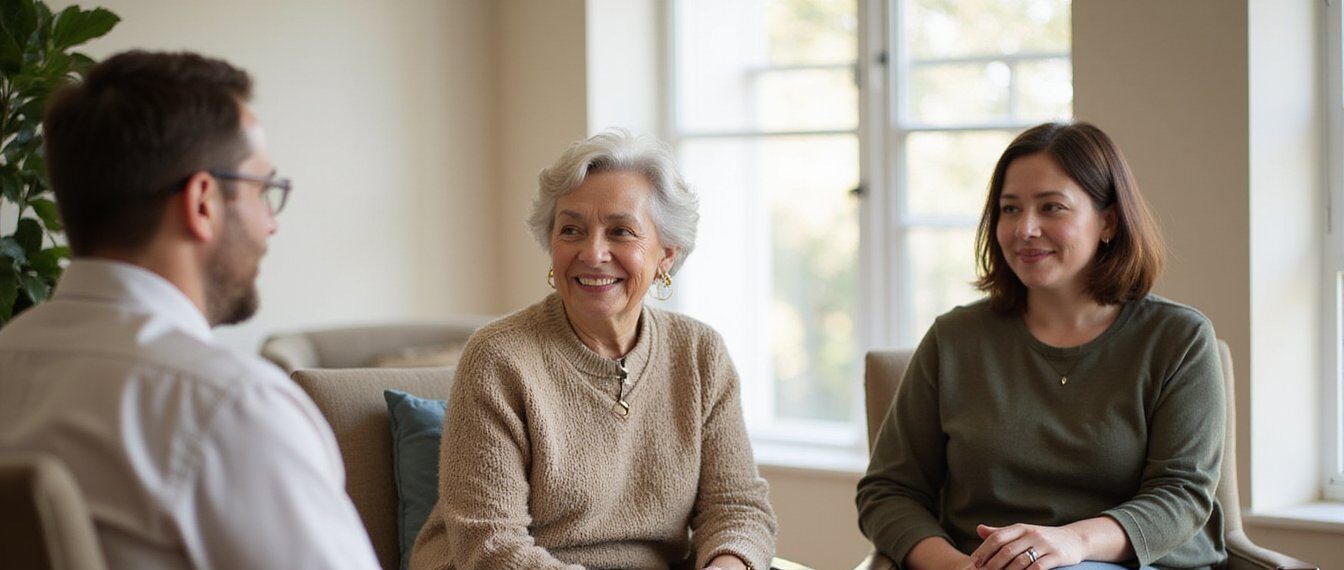

You’ll find extensive mental health support through the VA’s home-based services if you’re aging in place. These include professional counseling visits, crisis intervention teams, and care management right in your home. You can access same-day mental health specialists, telehealth appointments, and peer support groups to manage symptoms and maintain independence. VA care teams work together through integrated electronic systems to coordinate your complete treatment plan, with many options to explore for your specific needs.
Understanding VA’s Integrated Mental Health Programs

How does the VA guarantee Veterans receive thorough mental health support? The VA’s integrated care model brings together primary care doctors, mental health specialists, and support staff to provide extensive treatment. You’ll find mental health professionals working directly in VA primary care clinics, ready to address your immediate needs through same-day interventions. Vet Centers also provide direct access to mental health services without requiring any prior referral.
The VA’s approach includes care management services where nurses and social workers monitor your symptoms and help you stay on track with treatment. You can access your complete medical records through integrated electronic systems, making it easier for all your healthcare providers to coordinate your care. Research shows that older veterans aged 65 and above are more likely users of these integrated primary care mental health services. If you face challenges getting to VA facilities, tele-mental health services let you connect with providers from home, reducing barriers like travel distance or mobility issues while maintaining quality care. The VA ensures continuous support through their 24/7 crisis line for veterans experiencing mental health emergencies or needing immediate assistance.
Breaking Down Barriers to Mental Health Care Access
While the VA offers extensive mental health programs, many veterans still face real obstacles when seeking care. Through barrier reduction efforts, you’ll find new ways to overcome common challenges like transportation issues, complex paperwork, and appointment scheduling difficulties. Research shows nearly half of veterans report experiencing barriers that prevent them from accessing mental health treatment. The platform provides open access resources to help veterans better understand available services. Don’t let these hurdles prevent you from getting the support you deserve. Navigating the system remains one of the biggest challenges for veterans seeking mental health services.
| Barrier Type | Common Challenge | Solution |
|---|---|---|
| Practical | Transportation | VA travel support services |
| Social | Provider trust | Request military-experienced counselors |
| Personal | Mental health stigma | Connect with peer support groups |
Understanding these barriers helps promote stigma awareness and creates paths forward. If you’re struggling with distance to facilities or feeling uncertain about seeking help, know that you’re not alone. The VA continues developing programs specifically designed to address these obstacles, including telehealth options and community-based outreach services that bring care closer to home.
Home-Based Mental Health Support Options

If you’re a veteran facing mental health challenges, you can now receive professional counseling and support services right in your home through VA’s expanded home-based programs. You’ll have access to both scheduled counseling visits and crisis support teams who can respond quickly when you need immediate assistance. These in-home services make it easier to get the care you need while staying in a familiar, comfortable environment where you feel most at ease. Veterans reported experiencing stronger group cohesion when participating in virtual mental health workshops compared to traditional in-person sessions. The program’s success is evident through its reach, having served over 4,000 patients through comprehensive mental health treatment and support services. A dedicated team of physicians and psychologists works together to provide integrated care that reduces hospitalizations while improving overall patient satisfaction.
In-Home Counseling Services
Home-based mental health services provide veterans with essential support right where they’re most comfortable, in their own homes. Through regular home visits, you’ll receive individual psychotherapy, cognitive evaluations, and family support tailored to your needs. Mental health providers typically conduct 5-12 therapeutic engagement sessions weekly, ensuring consistent care while respecting your space and privacy.
You’ll find these services are widely available through both VA and state-funded programs. In Washington State alone, nearly 900 veterans receive in-home counseling, with thousands of service hours delivered across counties. If you’re facing transportation or mobility challenges, these programs bring qualified counselors directly to you. Your family members can also benefit, as services extend to support your entire household’s mental health needs. The state’s commitment to inclusive treatment ensures that veterans of all backgrounds have equal access to these vital services. Monthly email newsletters keep veterans informed about the latest mental health resources and research updates available through these home-based programs.
Crisis Support At Home
Beyond regular counseling visits, Veterans experiencing urgent mental health needs can access immediate support through multiple crisis services right at home. You can reach the Veterans Crisis Line 24/7 by calling 988 and pressing 1, texting 838255, or connecting through online chat. These crisis intervention strategies include follow-up support through the Caring Letters program, which sends personalized messages to maintain connection after initial contact. All services are completely confidential and provided by qualified responders trained in Veterans’ needs.
Peer support initiatives are also available through home-based services, where fellow Veterans provide ongoing guidance and companionship. Through the BeThere Peer Assistance program, you’ll find 24/7 support from peers who understand your experiences. The InTransition program offers free coaching to help you navigate between healthcare systems, ensuring you’re never alone during care shifts.
Housing Solutions and Mental Well-being
If you’re a veteran facing housing instability, you’ll find that permanent housing support programs like Housing First can provide the foundation needed for your mental health recovery. Your path to healing becomes more manageable when you have a safe, consistent place to call home, which directly improves your ability to access and engage with mental health services. Through stable housing programs paired with extensive support services, you’re better positioned to prevent crises and work toward long-term independence while addressing mental health challenges. Research shows that mental health disorders affect up to 67% of homeless veterans, making integrated housing and treatment essential. Having stable housing helps restore a sense of security by allowing you to focus on reestablishing family roles and identity during your transition to civilian life. The VA’s commitment includes connecting veterans with healthcare and employment services while providing housing assistance to support overall well-being.
Permanent Housing Support Programs
Recent data demonstrates remarkable success in addressing veteran homelessness through permanent housing support programs, with nearly 48,000 veterans placed into stable housing during fiscal year 2024. You’ll find these programs are highly effective, with 96% of veterans maintaining their housing after one year of placement.
If you’re a veteran seeking support, you’ll have access to thorough permanent housing solutions that include mental health services, employment counseling, and substance use support. These integrated supportive services have helped reduce veteran homelessness by 50% since 2009. The VA and its partners continue to exceed their housing goals, successfully placing 116.9% of targeted veterans into stable homes. Organizations like THP have achieved a 69% success rate in transitioning veterans into permanent housing. For veterans who may experience setbacks, rapid rehousing strategies guarantee that 96.4% quickly return to stable housing.
Crisis Prevention Through Stability
While stable housing provides an essential foundation for veteran wellness, thorough crisis prevention requires an integrated approach combining mental health support and practical resources. When you’re facing challenges, crisis intervention strategies can connect you with immediate help through the Veterans Crisis Line or 988 Crisis Line, available 24/7 via phone, text, or chat.
Stability enhancement programs address both your housing needs and mental well-being through coordinated care. You’ll find support for managing behavioral health conditions, accessing counseling, and steering through life stressors that could trigger a crisis. These programs offer wraparound services, including adjustment coaching through inTransition and connections to VA resources. Remember, seeking help early is a sign of strength – you don’t need to wait until you’re in crisis to reach out for support.
Mental Health Services Utilization Among Veterans
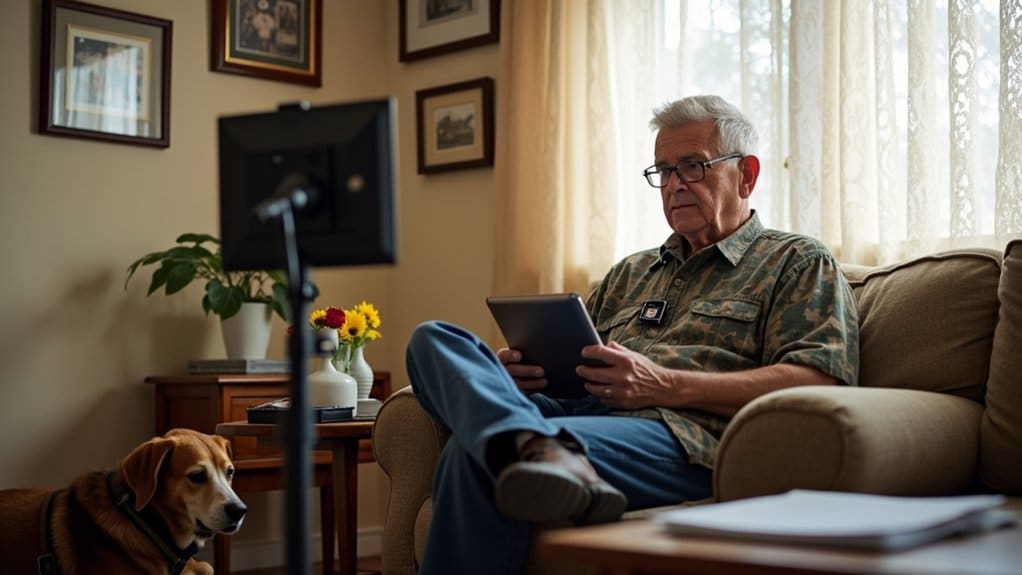
Studies reveal concerning gaps in veterans’ mental health care utilization, with over half of those needing support not seeking any treatment. Mental health stigma and concerns about confidentiality often prevent veterans from accessing essential care, particularly through VA services. Understanding your therapy preferences and comfort level is significant for finding the right support.
Key utilization patterns show:
- Only 28% of veterans needing mental health care use VA services, while 16% opt for non-VA providers
- After completing trauma-focused therapy, 98.4% continue with follow-up care, averaging 28 appointments yearly
- Veterans with ongoing symptoms tend to maintain higher engagement rates, using services to reinforce coping skills
You’ll find various options available, from VA facilities to Vet Centers offering walk-in access, regardless of eligibility status. Community resources can also supplement your care journey.
Specialized Care for High-Risk Veteran Groups
Veterans facing complex mental health challenges deserve specialized support tailored to their unique needs and experiences. If you’re dealing with PTSD, chronic health conditions, or cognitive decline, you’ll find targeted programs designed to help you age safely at home.
The VA offers culturally competent care through partnerships with organizations like the National Association of Black Veterans. You’ll find services addressing marginalized veteran needs, including specialized support for racial/ethnic minorities and LGBTQ+ veterans. For those in rural areas, telehealth services can connect you with mental health specialists.
If you’re managing multiple conditions, Home-Based Primary Care brings personalized treatment to your doorstep. The VA’s trauma-informed programs, cognitive rehabilitation services, and community-based support networks work together to help you maintain independence while receiving the extensive care you need.
Supporting Family Caregivers and Social Networks
As dedicated family caregivers shoulder the significant role of supporting veterans’ health needs, the VA’s Caregiver Support Program offers extensive assistance to help you maintain your own well-being. Through thorough caregiver support services, you’ll find resources designed to prevent isolation and strengthen social connections while managing your caregiving responsibilities.
The program provides essential support through:
Essential support services form the foundation of the VA’s commitment to empowering and sustaining family caregivers throughout their journey.
- Financial assistance and monthly stipends to reduce economic strain
- Mental health services, including virtual psychotherapy and well-being coaching
- Peer Support Mentoring that connects you with experienced caregivers who understand your journey
You’re not alone; the dedicated Support Line (1-855-260-3274) is ready to connect you with local resources, respite care, and community partnerships. These services help you maintain important social connections while providing the best possible care for your veteran.
Frequently Asked Questions
How Long Does the VA Mental Health Services Approval Process Typically Take?
You’ll typically receive VA health care approval within a week by mail, which includes mental health service eligibility. Once approved, you’ll get a welcome call to schedule your initial mental health evaluation, which must occur within 24 hours of your request. After that, you’ll complete a thorough evaluation within 30 days. Don’t worry if you’re anxious about approval timelines – you can track your application status online, and 24/7 crisis support is always available.
Can Veterans Receive Mental Health Services From Multiple VA Facilities Simultaneously?
Yes, you can receive mental health services from multiple VA facilities, but it requires proper coordination. Your primary care team will help manage your care across locations to guarantee treatment consistency. You’ll need to complete facility eligibility requirements for each site you plan to use. If you’re interested in accessing services at different locations, talk with your mental health provider about coordinating your care plan; they’ll help guide you through the process.
What Mental Health Services Are Available for Veterans Without Internet Access?
If you don’t have internet access, you can still receive extensive mental health support through multiple channels. You’ll find 24/7 phone support through the VA crisis line, and local VA medical centers offer in-person counseling and psychiatric care. Community outreach programs bring services directly to you through mobile Vet Center vans, local workshops, and peer support groups. You can also connect with veteran service organizations and faith-based groups for counseling and mental wellness programs in your community.
Are Emergency Mental Health Services Available 24/7 for Aging Veterans?
Yes, you’ve got 24/7 access to emergency mental health services as an aging veteran. If you’re experiencing a crisis, you can immediately reach crisis intervention specialists by calling 988 and pressing 1, or texting 838255. You don’t need internet access or VA enrollment to use these emergency resources. VA medical centers also provide round-the-clock emergency mental health care, and trained professionals are always ready to support you, no matter what time you need help.
Do VA Mental Health Services Cover Alternative Therapies Like Meditation or Acupuncture?
Yes, you can access alternative therapy options through VA mental health services, though availability varies by location. As part of their holistic treatment approaches, many VA centers offer meditation, mindfulness programs, and acupuncture. You’ll find these services integrated into Whole Health teams and pain management programs. While not every facility provides all therapies, you can discuss with your VA care team which complementary treatments might work best for your needs and goals.