





The VA healthcare system provides Mental Health Residential Rehabilitation Treatment Programs (RRTPs) specifically tailored for you as an aging veteran with PTSD. You’ll find nearly 200 specialized facilities nationwide offering intensive trauma recovery services lasting from two weeks to several months. These programs feature age-appropriate therapy, including four hours of daily individual and group sessions, with extensive support teams of psychiatrists and social workers. Additional specialized services address your unique needs as a senior veteran.
VA Residential Care Options for Senior Veterans With PTSD
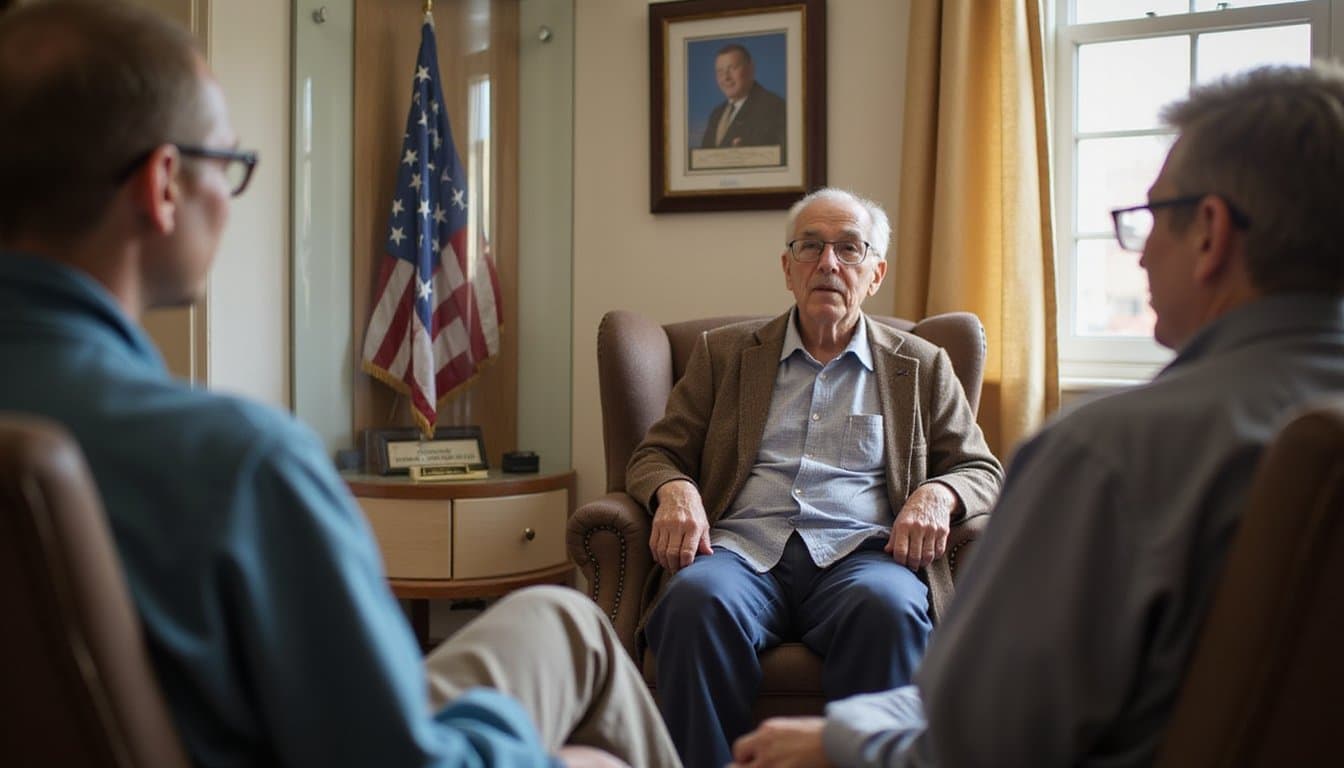
The VA healthcare system offers extensive residential treatment options for senior veterans struggling with PTSD through its Mental Health Residential Rehabilitation Treatment Programs (RRTPs). These specialized programs integrate geriatric care considerations while providing intensive trauma recovery services that typically last from two weeks to several months. Group sessions help veterans build peer support networks with others facing similar challenges. Veterans can access medication therapy through nearly 200 specialized PTSD treatment programs nationwide.
You’ll find structured treatment that includes a minimum of four hours of daily therapy, combining both individual and group sessions. The programs utilize evidence-based approaches like Cognitive Behavioral Therapy, Acceptance and Commitment Therapy, and Motivational Interviewing. To qualify, you must be able to maintain basic self-care and safety standards while committing to substance-free participation. A comprehensive support team of psychiatrists and social workers is available to assist veterans throughout their treatment journey.
Each VA region guarantees access to residential PTSD care, with specialized domiciliary programs offering eight-week intensive treatment focused on symptom management and psychosocial rehabilitation.
Specialized Age-Appropriate Treatment Features
Recognizing that aging veterans face unique challenges, residential PTSD programs incorporate specialized treatment features that address both trauma symptoms and age-related needs. These age-friendly interventions include modified therapy sessions with simplified content, slower pacing, and flexible durations to accommodate physical limitations and attention spans. The programs show excellent outcomes with low dropout rates among older participants seeking treatment.
Given that less than half of veterans receive needed mental health services, these specialized programs aim to maximize engagement and retention through tailored approaches. The programs offer trauma adaptations through customized CBT approaches, including adjusted Cognitive Processing Therapy that targets aging-specific concerns like loss and physical decline. Prolonged Exposure therapy helps veterans gradually confront and process their traumatic memories in a safe environment. You’ll find accessible facilities with proper lighting, mobility aids, and materials designed for visual impairments. Medication management emphasizes SSRIs and SNRIs while avoiding high-risk medications for seniors. Treatment plans integrate cognitive rehabilitation techniques and family involvement protocols to address both trauma recovery and age-related cognitive changes, ensuring thorough care that’s specifically tailored to older veterans’ needs.
Dual Diagnosis Programs for Older Veterans
While age-appropriate PTSD treatment forms a foundation for care, many older veterans face complex challenges requiring dual diagnosis interventions. You’ll find that about 80% of veterans with PTSD have at least one additional mental health diagnosis, often involving substance use disorders. Studies show 17 million adults struggle with co-occurring mental health and substance use disorders nationwide. With Vietnam veterans showing a lifetime PTSD prevalence of 30%, specialized treatment becomes especially critical for aging military populations.
VA residential programs now offer integrated treatment approaches combining CBT, MAT, and holistic therapies to address both conditions simultaneously. These specialized dual diagnosis programs provide 24/7 medical supervision while incorporating peer mentorship and trauma-informed care. With the average wait time for mental health appointments being over 30 days, residential programs serve as a crucial immediate intervention option. You’ll have access to group therapy, individual counseling, and wellness education within a thorough treatment framework.
If you’re struggling with chronic pain or substance use alongside PTSD, these programs can help navigate complex recovery needs while accounting for age-specific challenges and military cultural factors.
Private Residential Facilities Serving Aging Veterans
Private residential facilities offer essential alternatives to VA-based treatment for aging veterans seeking specialized PTSD care. You’ll find these veteran services particularly tailored to address both trauma and age-related needs through thorough programming that includes evidence-based therapies, medical support, and holistic healing approaches. Treatment centers like Cypress Lake Recovery specialize in trauma-informed care for PTSD and co-occurring disorders. Their facilities feature suite-like rooms and recreational areas designed to create a comfortable, home-like environment.
Leading private facilities like Warriors Heart and The Refuge provide intensive treatment through structured daily schedules, combining individual counseling, group therapy, and wellness activities. If you experience difficulty accessing these services during peak enrollment periods, you may need to retry your request at a different time. These centers often maintain exclusive veteran populations, fostering peer support and reduced stigma. You’ll typically have access to multi-disciplinary teams of specialists who coordinate your care, including psychiatrists, geriatric experts, and veteran peer mentors. Programs offer flexible lengths of stay, ranging from two to eight weeks, with options for extended care based on your specific recovery needs.
Support Services and Transition Planning for Elderly Veterans

Because elderly veterans with PTSD face complex challenges, extensive support services and conversion planning remain essential components of their ongoing care. Given that 92.7% of veterans report exposure to potentially traumatic events, comprehensive trauma-informed care is critical. Through coordinated case management and outreach initiatives, you’ll receive individualized care that integrates medical, mental health, and social services. Your case manager will connect you with housing assistance, rehabilitation programs, and specialized healthcare services. Female veterans require additional consideration as they experience higher PTSD rates compared to their male counterparts.
The Behavioral Recovery Outreach team helps veterans transition smoothly between VA inpatient facilities and community care settings. Community partnerships strengthen the delivery of thorough support, including access to veteran service organizations, peer support networks, and transitional housing programs. You’ll benefit from job training, placement services, and assistance with public benefits to increase your self-sufficiency. As your needs change, ongoing monitoring guarantees appropriate adjustments to your care plan. These services emphasize rebuilding family connections while providing essential support for daily living activities, promoting both independence and community integration.
Frequently Asked Questions
What Activities Are Available During Free Time Between Therapy Sessions?
You’ll have access to numerous engaging activities between therapy sessions. You can participate in art therapy workshops for creative expression, practice mindfulness in designated meditation spaces, or enjoy the reading rooms and game areas. You’re free to visit TV lounges, join recreational sports, or spend time in outdoor gardens. The facility provides structured options while allowing you to choose activities that best support your recovery and personal interests.
Can Family Members Visit During the Residential Treatment Program?
Yes, you’ll generally be able to receive family visits during your residential PTSD treatment, though specific visitation policies vary by facility. You’ll need to follow your program’s guidelines regarding visiting hours, frequency, and security protocols. Family involvement is often encouraged through scheduled family therapy sessions and structured visits. During critical treatment phases or due to clinical considerations, your facility may temporarily restrict visits to guarantee you’re getting the most benefit from your treatment program.
Are Religious or Spiritual Accommodations Provided in These Programs?
Yes, you’ll find thorough religious and spiritual accommodations in most residential PTSD programs. You can access spiritual support through chaplains, faith-based resources, and dedicated prayer spaces. VA-affiliated and private facilities typically offer counseling from various faith traditions and allow you to integrate your beliefs into your treatment plan. You’re encouraged to discuss your spiritual needs during intake, and staff will document your preferences to guarantee appropriate accommodations throughout your treatment program.
What Personal Items Should Veterans Bring to Residential Facilities?
You’ll need to bring personal comfort items like sleepwear, toiletries, and leisure materials such as books or electronics. Don’t forget necessary documentation, including your insurance cards, military discharge papers, and current medication list. Pack enough clothing for your stay, comfortable shoes, and any medical devices you use daily. If you have specific dietary needs or allergies, bring documentation. Remember to check with your facility about laundry services and provided items.
How Are Medication Management and Existing Prescriptions Handled During Treatment?
When you enter treatment, you’ll undergo a thorough prescription review with medical staff. They’ll assess all your current medications, including over-the-counter drugs and supplements. On-site psychiatric professionals will manage your medication adherence through supervised administration by licensed nurses. They’ll coordinate with your VA providers and outside physicians to guarantee continuity of care. You’ll receive medication education and support for managing prescriptions both during your stay and after discharge.