





Pain management for dementia patients in palliative care requires a systematic, multi-faceted approach. You’ll need to rely on observational tools and behavioral cues since many patients can’t self-report their pain. Start with non-opioid medications for mild pain, progressing carefully through the WHO pain ladder while monitoring responses. Combine pharmaceutical approaches with complementary therapies like massage and environmental modifications. Working closely with caregivers helps guarantee effective pain assessment and control through each stage of care.
Understanding Pain Assessment in Dementia Patients
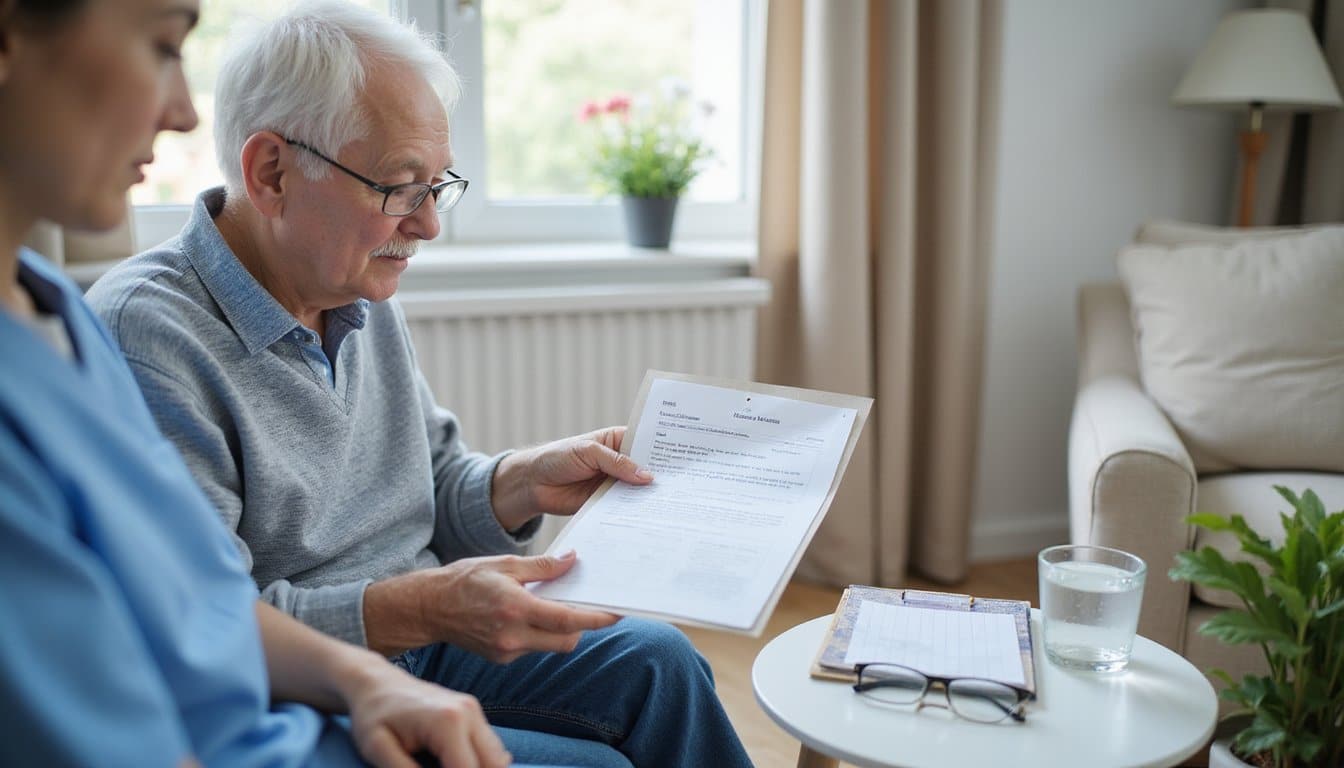

While evaluating pain in dementia patients presents unique challenges, understanding these complexities is vital for delivering effective care. As cognitive barriers increase with disease progression, patients often struggle to communicate their discomfort through traditional self-reporting methods. You’ll need to rely more heavily on observational tools and behavioral cues, especially in advanced stages. Simple pain scales can be effective for patients in early dementia stages. Family caregivers can provide valuable insights about changes in behavior that may indicate pain.
Several validated observational tools, such as PAINAD and MOBID-2, can help you assess pain in nonverbal patients. These instruments focus on behavioral indicators during both rest and activity, with movement-based assessments typically providing more reliable results. With 80-85% of dementia patients experiencing chronic pain, accurate assessment becomes even more critical for proper treatment. You’ll achieve the most accurate assessment by combining multiple approaches, including both observational methods and self-reporting when possible. Regular reassessment is important, as pain manifestations can fluctuate, and proper training guarantees you’ll use these tools effectively.
Recognizing Non-Verbal Pain Indicators
When evaluating pain in dementia patients, you’ll need to carefully observe their body language for signs like protective guarding, restlessness, or changes in posture that often indicate discomfort. Your patient’s facial expressions, including grimacing, frowning, or rapid blinking, can provide essential clues about their pain levels even when they can’t verbalize their distress. Watch for alterations in their typical movement patterns, such as limping, restricted motion, or unusual rigidity, as these changes frequently signal underlying pain that requires prompt attention. Non-verbal seniors may express their pain through various autonomic signs like changes in breathing patterns, heart rate fluctuations, or skin pallor. Since oral health problems are common, patients may display disruptive behaviors due to untreated dental pain that requires immediate assessment. A thorough multi-component approach involving interdisciplinary team members is essential for accurate pain assessment in this vulnerable population.
Watch Body Language Closely
A caregiver’s keen eye serves as an essential tool in detecting pain among dementia patients who can’t verbally express their discomfort. When observing body language, watch for protective behaviors like guarding specific areas or rubbing painful spots repeatedly. These pain indicators often manifest through changes in movement patterns.
You’ll notice patients may display altered gaits, increased rigidity, or persistent restlessness. They might resist care activities, become aggressive during routines, or withdraw from touch when they’re hurting. Pay attention to repetitive mannerisms and attempts to escape their environment, as these can signal significant distress. Common signs include rocking, pacing, or fidgeting movements that weren’t present before. Early recognition of these physical cues enables prompt intervention and better pain management outcomes.
Facial Expression Changes Matter
Facial expressions serve as powerful windows into a dementia patient’s pain experience. You’ll need to watch for six key facial cues that strongly correlate with pain: horizontal mouth stretching, brow lowering, parted lips, nose wrinkling, raised upper lip, and closed eyes. Research indicates that eyelid tightening is observed most frequently in patients experiencing pain. Facial Action Coding System helps trained observers accurately analyze these facial expressions through a set of standardized action units.
These pain indicators become especially important when verbal communication diminishes. You’ll notice that some universal core actions consistently signal discomfort: orbital tightening around the eyes, furrowed brows, and nose wrinkling. The autonomic nervous system produces these facial responses automatically when pain occurs. While advanced dementia may sometimes mask these expressions, early recognition of facial changes often precedes behavioral disturbances, enabling timely intervention.
Modern tools like PainChek can help you analyze facial expressions systematically, but remember that individual and cultural variations affect how pain manifests. Your careful observation of these facial cues remains essential for effective pain management.
Monitor Movement and Posture
Since dementia patients often struggle to verbalize their pain, understanding body movements and postural changes becomes essential for early detection. During movement observation, watch for decreased mobility, muscle rigidity, and guarding behaviors. You’ll notice patients may protect certain body parts or display restlessness through repetitive movements. Self-reporting of pain is considered most reliable, but dementia creates significant communication barriers. Non-communicative patients are at higher risk for suffering when their pain goes unrecognized.
In your posture assessment, look for abnormal positioning, such as slumping or hunching. Patients experiencing pain often brace against furniture while standing or favor one side of their body. Pay attention to their participation in daily activities – reduced engagement in tasks like eating, dressing, or walking can signal discomfort. During care interactions, notice if they resist assistance or become withdrawn. These behavioral changes, combined with observational pain assessment tools, help identify and address pain effectively in non-verbal dementia patients.
Implementing the WHO Pain Management Protocol
When managing pain in dementia patients, you’ll need to follow the WHO pain ladder‘s systematic approach, starting with non-opioid medications like acetaminophen for mild pain. You can progress to weak opioids such as codeine if pain persists, and then to stronger opioids like morphine for severe pain that hasn’t responded to previous interventions. Throughout this stepwise progression, you must consistently monitor your patient’s response, adjust dosages carefully, and integrate appropriate adjuvant therapies while watching for potential side effects. Regular assessment using validated pain scales like PAINAD is essential for patients with cognitive impairment who may have difficulty communicating their pain levels. Taking a noninvasive treatment approach, complementary therapies like massage and essential oils can provide additional pain relief when combined with medication.
Ladder Approach For Relief
The World Health Organization’s pain management ladder provides three essential steps for systematically addressing pain in dementia patients. You’ll need to follow this ladder strategy carefully, starting with non-opioid medications and progressing only when necessary. The approach guarantees you’re managing pain effectively while minimizing risks.
| Pain Level | Management Approach |
|---|---|
| Mild Pain | Non-opioids (Paracetamol, NSAIDs) |
| Moderate Pain | Weak opioids + Non-opioids |
| Severe Pain | Strong opioids + Non-opioids |
| All Levels | Include adjuvant therapies |
During pain escalation, you’ll need to regularly reassess effectiveness and monitor for side effects. Combine pharmacological treatments with non-pharmacological interventions like massage or heat therapy. Remember to document responses and involve caregivers in monitoring pain behaviors. This systematic approach helps guarantee your patient receives appropriate pain relief while maintaining cognitive function.
Careful Medication Step-Up Protocol
Implementing a careful medication step-up protocol requires systematic pain assessment before any treatment escalation. You’ll need to use validated tools like PAINAD and observe non-verbal cues, especially when patients can’t communicate effectively. Document pain location, intensity, and character while incorporating caregiver observations.
Start with non-opioid medications like acetaminophen for mild to moderate pain, adding adjuvant medications for specific pain types. When necessary, introduce weak opioids such as codeine or tramadol, carefully monitoring for side effects. Reserve strong opioids like morphine for severe, persistent pain that’s unresponsive to other treatments. Throughout pain management protocols, you’ll need to balance efficacy against risks, particularly considering dementia patients’ vulnerability to medication side effects. Maintain consistent documentation and regularly reassess treatment responses to guarantee protocol safety and effectiveness.
Medication Options and Safety Considerations

Managing pain in dementia patients requires careful consideration of medication options that balance effectiveness with safety concerns. You’ll need to start with non-opioid pain medications like acetaminophen for mild to moderate pain, while reserving opioids for more severe cases. Safety protocols emphasize the “start low, go slow” approach to minimize adverse effects. A shared decision-making process with families is vital when developing pain management strategies.
For neuropathic pain, you can consider adjuvant medications like SNRIs or anticonvulsants, though you’ll need to monitor closely for side effects. Given that up to pain affects 63% of dementia patients, regular assessment using validated pain scales is crucial. Topical agents provide a safer alternative for localized pain. When using opioids, choose short-acting formulations for breakthrough pain and carefully titrate doses. You must avoid meperidine due to its neurotoxicity risk. Regular assessment of medication effectiveness and side effects is essential, with particular attention to sedation, constipation, and respiratory function. Elderly patients often experience increased medication sensitivity, making careful dosing and monitoring particularly crucial.
Alternative Therapies for Pain Relief
Beyond medications, alternative therapies offer powerful tools for managing pain in dementia patients. You’ll find multiple evidence-based approaches that can provide comfort and relief. Acupuncture benefits include reduced discomfort and improved relaxation, while massage techniques help decrease agitation and anxiety. Aromatherapy effects contribute to stress reduction, and mindfulness practices enhance emotional balance and pain management.
| Therapy Type | Primary Benefits | Best Applications |
|---|---|---|
| Music Therapy | Reduces stress, improves mood | During periods of agitation |
| Pet Therapy | Promotes emotional engagement | For social withdrawal |
| Touch/Massage | Decreases pain, anxiety | When experiencing physical tension |
| Acupuncture | Relieves pain, promotes relaxation | For chronic discomfort |
These complementary approaches work best when tailored to each patient’s needs and preferences, often producing immediate improvements in comfort and well-being.
Supporting Caregivers in Pain Management

Since caregivers serve as the frontline observers of pain in dementia patients, their role in effective pain management is vital. Through targeted pain education and thorough training programs, you’ll develop proficiency in recognizing non-verbal pain indicators and using validated assessment tools like PAINAD. Caregiver empowerment includes access to both emotional support and practical resources.
Empowered caregivers, armed with proper training and support, become essential partners in identifying and managing pain for dementia patients.
Key support elements include:
- Educational sessions addressing pain management techniques and common misconceptions about medications
- Technology-based tools and documentation systems to track pain patterns and treatment effectiveness
- Peer support groups and counseling services to help manage stress and share strategies
Regular reassessment and open communication with healthcare teams guarantee your observations inform ongoing treatment decisions, ultimately leading to better pain control for your loved one with dementia.
Creating Comfort Through Environmental Modifications
Environmental modifications play an essential role in managing pain and discomfort for dementia patients. You’ll want to focus on both sensory stimulation and spatial design to create a supportive environment. Start by ensuring adequate lighting, maintaining comfortable temperatures, and minimizing disruptive noise. Consider incorporating gentle aromatherapy and natural elements to promote relaxation.
The spatial design should feature wide hallways, non-slip flooring, and clear signage to support safe movement. You’ll find that creating home-like spaces with familiar objects helps reduce agitation and anxiety. Include both private and communal areas to balance social interaction with quiet spaces. Don’t forget to provide easy access to activity areas where patients can engage according to their abilities. These thoughtful modifications can notably impact pain perception and overall well-being.
Addressing Cultural and Communication Barriers
Although cultural diversity enriches healthcare settings, it presents unique challenges in pain management for dementia patients. Cultural sensitivity and effective communication strategies are vital for delivering quality care across diverse populations. Different cultural beliefs about pain expression, treatment preferences, and family dynamics greatly impact how patients receive and respond to care.
- Religious and spiritual beliefs may influence treatment decisions, with some families preferring prayer or traditional remedies over conventional pain medication
- Language barriers can lead to misunderstandings about pain assessment and treatment options, making professional interpreters essential for accurate care delivery
- Family members often serve as primary decision-makers, requiring healthcare providers to balance cultural expectations with clinical best practices
Understanding these cultural nuances and adapting your communication approach accordingly will help guarantee better pain management outcomes for dementia patients from all backgrounds.
Ethical Aspects of Pain Control
Preserving your patient’s dignity through effective pain control is a fundamental ethical obligation that respects their basic human rights and autonomy. You’ll need to carefully weigh the risks of pain treatments against your patient’s right to comfort, particularly when cognitive impairment affects their ability to communicate or make decisions. As their healthcare provider, you must balance the ethical principles of beneficence and nonmaleficence while ensuring your pain management approach upholds both their dignity and safety.
Dignity Through Pain Relief
Managing pain effectively in dementia patients represents a fundamental ethical obligation that upholds human dignity and quality of life. When you’re caring for someone with dementia, dignity preservation through proper pain management isn’t just a medical necessity – it’s an ethical imperative grounded in principles of beneficence and nonmaleficence.
Key aspects of dignified pain management include:
- Using validated nonverbal assessment tools to identify pain when communication is limited
- Involving family members and surrogate decision-makers in care planning
- Implementing both pharmacologic and non-pharmacologic interventions based on individual needs
You’ll need to overcome common barriers like communication challenges and staff training gaps to guarantee ethical pain relief. Remember that untreated pain directly violates personhood and quality of life, making systematic assessment and prompt intervention vital for maintaining dignity in dementia care.
Rights Versus Treatment Risks
The ethical tension between patient rights and treatment risks creates complex challenges in pain management for dementia patients. You’ll find that balancing a patient’s right to pain relief against potential medication risks requires careful consideration of multiple factors.
When evaluating rights versus risks, you must consider both the legal right to adequate pain control and the clinical risks of treatments, particularly with opioids. Consent challenges become especially prominent as dementia progresses, often requiring surrogate decision-makers to weigh treatment options. You’ll need to navigate between protecting patient autonomy and preventing harm, while remaining mindful of potential adverse effects from medications.
In practice, this means analyzing each patient’s specific situation, documenting capacity carefully, and involving family members appropriately in treatment decisions that respect both rights and safety concerns.
Quality Standards in Palliative Pain Care
High-quality palliative pain care for dementia patients rests on four essential pillars: validated assessment tools, inclusive non-pharmacological approaches, careful medication management, and coordinated interdisciplinary care.
You’ll need to implement these core quality standards in your practice:
- Use evidence-based tools like PAINAD or MOBID-2 consistently, combining behavioral observation with caregiver input for thorough pain detection
- Prioritize non-pharmacological interventions first, such as massage and environmental modifications, tailored to each patient’s cognitive capacity
- Guarantee robust pain education and caregiver training across your care team while maintaining detailed documentation of treatment responses
This standardized approach helps you deliver reliable pain management while protecting your patients from unnecessary medication risks. Regular reassessment and interdisciplinary collaboration guarantee you’re meeting established quality benchmarks for dementia palliative care.
Frequently Asked Questions
How Long Does It Typically Take to See Pain Medication Effects?
You’ll notice different onset times depending on medication types. Oral morphine typically works within 30-60 minutes, while immediate-release opioids provide relief within an hour. Non-opioid medications like acetaminophen take 30-60 minutes. If you’re using subcutaneous options, you’ll see effects in 10-30 minutes. Transdermal patches work more slowly, taking 12-24 hours to reach effective levels. Your healthcare team will monitor and adjust timing for ideal relief.
What Happens if Standard Pain Treatments Stop Working Completely?
If standard pain treatments become ineffective, you’ll need to explore multiple options. Your healthcare team can rotate different opioids, add adjuvant medications, or implement alternative therapies like massage or TENS. They’ll often take a holistic approach, combining pharmacological changes with complementary treatments such as music therapy or aromatherapy. In severe cases where pain remains intractable, palliative sedation may be considered as a last resort to guarantee comfort.
Can Dementia Patients Become Addicted to Prescribed Pain Medications?
While it’s possible for dementia patients to develop addiction, you’ll find they’re actually at similar or lower risk compared to the general population. The cognitive impairments of dementia can reduce their ability to seek or misuse medications intentionally. You should still watch for addiction signs, but because opioid risks are carefully managed in dementia care, with medications often administered by caregivers and closely monitored, true addiction is relatively uncommon.
How Often Should Pain Assessments Be Conducted During Palliative Care?
You’ll need to conduct pain assessments at least daily during palliative care, but you should increase the assessment frequency during periods of acute illness or after changing pain interventions. In long-term care settings, it’s best to assess every 8-12 hours or each shift. You should use validated assessment tools consistently and reassess promptly after any pain intervention. Remember to individualize the frequency based on your patient’s condition and pain behaviors.
What Role Do Family Dynamics Play in Pain Management Decisions?
Family involvement greatly shapes pain management decisions through ongoing communication with healthcare teams. You’ll find that relatives often provide vital insights into non-verbal pain indicators and patient history. Primary caregivers, who are frequently experiencing emotional stress and anxiety, need strong support systems to participate effectively in decision-making. When you establish collaborative relationships between families and care providers, you’ll achieve more person-centered pain management and better outcomes.