





Pain relief in hospice care combines multiple approaches to guarantee your loved one’s comfort. You’ll find that providers typically use opioid medications like morphine for severe pain, alongside non-opioid options for mild discomfort. They’ll also incorporate natural therapies such as massage, aromatherapy, and music therapy to enhance overall wellbeing. A team of healthcare professionals will work together to create and adjust personalized pain management strategies, while supporting both patient and family throughout the journey.
Understanding Pain Management in Hospice Care

While managing pain in hospice care requires a multifaceted approach, understanding the available methods helps create extensive relief strategies for patients nearing life’s end. You’ll find that effective pain management combines physical interventions with emotional and psychological support to address both the symptoms and their impact on pain perception. Family members can learn simple comfort care techniques to support their loved ones at home. Regular visits from social workers and chaplains help address the spiritual and emotional needs that can affect pain levels. Patients receive scheduled pain medication to maintain consistent relief throughout their care.
Modern hospice care integrates traditional medical approaches with complementary therapies like massage, music, and aromatherapy. These methods work together to build emotional resilience while easing physical discomfort. Your care team will regularly assess pain levels using specialized tools such as the Numeric Pain Rating Scale or FACES Scale, ensuring treatments remain effective. Through careful monitoring and a combination of pharmacological and non-pharmacological techniques, you’ll receive thorough care that addresses both the physical and emotional aspects of pain management.
Prescription Medications for Pain Control
When you’re managing severe pain in hospice care, opioid medications like morphine and hydromorphone serve as the primary medications, with 81-97% of patients receiving these treatments in their final days. While managing pain in hospice differs from general pain management, primary care clinicians must still carefully consider opioid prescribing practices. You’ll find non-opioid options such as acetaminophen and dexamethasone provide effective relief for mild to moderate pain while avoiding some of the side effects associated with stronger medications. Your healthcare team may also incorporate adjuvant medications to enhance pain control, particularly for specific types of pain like nerve pain, or to boost the effectiveness of your primary pain medications. The delivery method for pain medications typically shifts from oral tablets to subcutaneous administration, with over 93% of patients receiving this form of treatment by their final day.
Opioids For Severe Pain
Although pain management approaches vary, opioid medications remain the cornerstone of severe pain control in hospice care, with morphine serving as a primary treatment option. You’ll find that doctors typically prescribe these medications on a scheduled basis rather than as-needed to maintain consistent pain relief and prevent breakthrough pain episodes. Around-the-clock administration helps maintain proper symptom control and avoid the need for larger doses later.
While opioid guidelines have become stricter in recent years, leading to a 34% reduction in prescriptions for terminal patients, these medications remain essential for end-of-life comfort. Cancer patients are more likely to receive appropriate opioid prescriptions, with research showing they have 3.39 times higher odds of receiving these medications compared to non-cancer patients. A critical concern is that CDC guidelines misapplication often results in restricted access to necessary pain medications for hospice patients. Regular pain assessment shows that 71% of hospice patients achieve effective pain control or improvement with opioid treatment. However, you should know that access challenges exist, particularly affecting Hispanic patients and those in for-profit facilities. Healthcare providers continue working to balance proper pain management with evolving regulatory requirements.
Non-Opioid Pain Relief
Since effective pain management often requires multiple approaches, non-opioid prescription medications play an essential role in hospice care. Acetaminophen benefits include its well-tolerated profile for mild to moderate pain, making it a common choice when you can’t take NSAIDs. While NSAIDs effectively target inflammatory pain, you’ll need careful monitoring due to NSAID risks like gastrointestinal bleeding and kidney problems. The growing shift toward holistic care has expanded treatment options beyond traditional medications. Treatment plans should be individualized based on each patient’s specific condition and needs. Research shows that acetaminophen use reaches 85.8% among hospice patients, demonstrating its widespread acceptance as a pain management option.
For localized pain, you might receive topical treatments like lidocaine patches or NSAID gels, which offer relief with fewer systemic side effects. When pain persists, your doctor may prescribe antidepressants like duloxetine or anticonvulsants such as gabapentin, especially for neuropathic pain. These medications work by modulating pain signals in your nervous system, though they require careful dosing to balance effectiveness with side effects.
Adjuvant Medication Options
Beyond standard pain medications, adjuvant medications offer powerful tools for managing complex pain in hospice care. Your healthcare team may recommend medication combinations that include antidepressants for dull or tingling pain, anticonvulsants for sharp nerve pain, or corticosteroids for bone and inflammatory pain. The World Health Organization recommends a three-step approach for managing cancer pain with analgesic medications. Research shows that neuropathic pain affects approximately one-third of cancer patients experiencing pain.
Adjuvant therapy often includes tricyclic antidepressants like amitriptyline or newer options like duloxetine, which can relieve nerve pain independently of their mood effects. For shooting or electric shock-type pain, you’ll find medications like gabapentin or pregabalin particularly helpful. When bone pain or inflammation is severe, corticosteroids such as dexamethasone can provide quick relief while improving other symptoms. NSAIDs are also commonly used due to their ease of administration and accessibility. In cases of complex pain patterns, your doctor might prescribe antipsychotics or NMDA receptor antagonists as part of your extensive pain management strategy.
Natural and Alternative Pain Relief Methods
Beyond prescription medications, you’ll find several natural therapies that effectively complement traditional pain management in hospice care. Therapeutic massage can reduce physical discomfort and anxiety through gentle touch, while aromatherapy using essential oils helps control pain and nausea through physiological responses. Music therapy, when combined with these approaches, creates a multisensory experience that can considerably lower stress levels and improve your overall comfort. Reiki therapy, an ancient Japanese practice that enhances energy flow throughout the body, offers another gentle option for promoting relaxation and emotional well-being. Gentle yoga movements and mindfulness practices provide comprehensive pain relief while supporting both physical and emotional healing.
Massage Benefits For Comfort
While many pain management approaches rely on medication, therapeutic massage offers hospice patients a gentle yet powerful method of natural relief. Through specialized massage techniques and therapeutic touch, you’ll experience reduced muscle tension, improved circulation, and decreased pain levels. Licensed therapists can adapt treatments to your specific needs and comfort level.
| Benefits | Effects |
|---|---|
| Physical | Reduces muscle tension, improves blood flow |
| Emotional | Lowers anxiety, promotes relaxation |
| Symptom Relief | Eases pain, reduces nausea and fatigue |
You’ll find that massage therapy helps manage both physical and emotional symptoms. The gentle manipulation of soft tissue helps release endorphins while lowering cortisol levels, creating a calming effect throughout your body. This non-invasive approach works safely alongside medical treatments, providing comfort through compassionate touch even in advanced illness stages.
Aromatherapy Pain Management Techniques
As a gentle yet powerful complement to traditional pain management, aromatherapy offers hospice patients natural relief through carefully selected essential oils. Through olfactory stimulation, these oils trigger responses in your limbic system, helping reduce pain perception and anxiety while promoting relaxation.
Key aromatherapy benefits include reduced pain levels, improved sleep quality, and decreased nausea. Lavender oil leads the way in pain and anxiety reduction, while peppermint addresses headaches, and lemon oil effectively manages nausea. You’ll find these essential oils administered through diffusers, sachets, or diluted topical applications.
Clinical studies support aromatherapy’s effectiveness, with up to 73% of patients reporting symptom relief. While it won’t replace traditional pain medications, aromatherapy serves as a safe, natural approach to enhance your overall comfort and well-being during hospice care.
Music Therapy Applications
Music therapy stands as a powerful non-pharmacological intervention for managing pain in hospice care. When administered by board-certified therapists, music therapy techniques can considerably reduce your pain levels, even while you’re continuing prescribed pain medications. Through 45-minute daily sessions, you’ll experience measurable improvements in pain reduction, as documented by standardized pain assessments.
Beyond physical relief, music therapy facilitates emotional expression and helps you process complex end-of-life feelings. You’ll find comfort through various approaches, including song singing, guided imagery, and therapeutic instrument playing. These sessions can lower your blood pressure, improve sleep quality, and enhance overall well-being. The therapy also provides spiritual support, helping you create lasting memories and find meaning during this challenging time. You’ll benefit from personalized interventions that address both your physical and emotional needs.
How Pain Levels Are Measured and Tracked
Pain assessment in hospice care relies on validated measurement tools and systematic tracking methods to guarantee effective symptom management. You’ll find healthcare providers using several standardized scales to evaluate pain levels, from simple numeric ratings to thorough behavioral assessments. By tracking trends over time, your care team can adjust treatments and assure ideal comfort.
Reliable pain assessment tools and systematic monitoring enable hospice teams to provide precise, personalized comfort care for every patient.
Key aspects of pain assessment include:
- Regular evaluations using tools like the 0-10 Numeric Rating Scale or Wong-Baker FACES for self-reporting patients
- Specialized scales such as FLACC or MOPAT for non-communicative patients
- Documentation of pain patterns, including location, duration, and breakthrough episodes
- Monitoring of indirect indicators like sleep patterns, appetite changes, and social engagement
Your care team will assess pain during each visit, especially after interventions or when symptoms change, assuring extensive pain management throughout your hospice journey.
The Role of Family in Pain Management
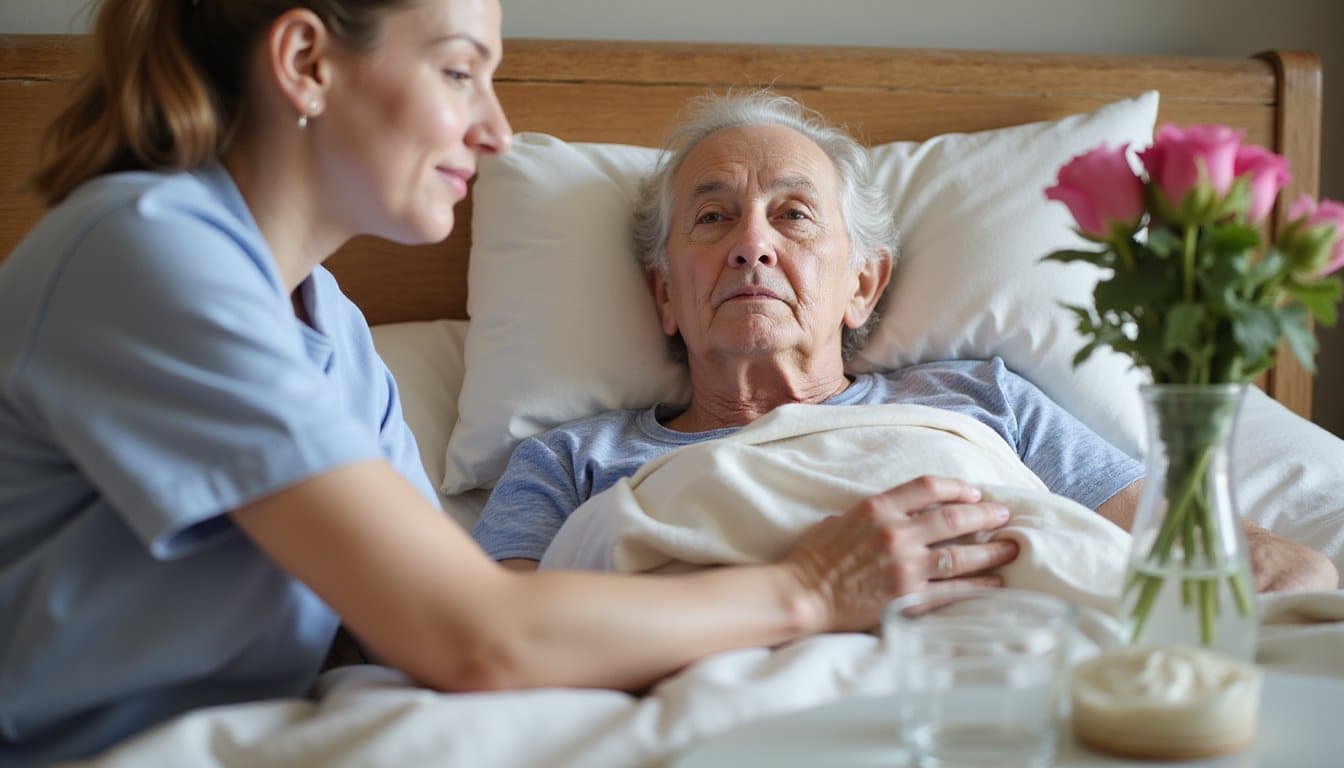
While patients receive professional care from hospice staff, family members play an important role in managing their loved one’s pain and comfort. Your attentive family observations of facial expressions, body language, and verbal cues help identify pain early, enabling quick interventions. You’ll need to maintain detailed pain logs and guarantee medications are given exactly as prescribed to prevent breakthrough pain.
Through thorough caregiver training, you’ll learn proper medication administration, pain assessment techniques, and non-pharmacological interventions. You’re the crucial link between your loved one and the hospice team, communicating changes in comfort levels and any concerns that arise. By providing emotional support and maintaining open dialogue with healthcare providers, you’ll help create an effective pain management strategy that respects your loved one’s wishes and guarantees their comfort.
Customizing Pain Relief Plans for Each Patient
Because each patient experiences pain differently, creating an individualized pain management strategy is crucial for effective hospice care. Your care team will assess your pain using standardized scales while considering your personal preferences and medical history. Through consistent symptom tracking and regular reassessment, they’ll adjust your treatment plan to guarantee ideal relief.
Pain management in hospice care is personalized for each patient, ensuring comfort through careful assessment, monitoring and continuous adjustments.
- Medical options range from mild pain relievers like acetaminophen to stronger medications such as opioids, with routes adjusted to your needs
- Physical therapies, including massage, positioning, and gentle exercise provide additional comfort
- Complementary approaches like aromatherapy, music therapy, and meditation help manage pain perception
- Psychological and spiritual support through counseling and pastoral care address the emotional aspects of pain
Your multidisciplinary team will work together to fine-tune these approaches, providing thorough pain management that evolves with your changing needs.
Best Practices for Managing End-of-Life Discomfort

Effective management of end-of-life discomfort requires a thorough approach that combines both pharmacological and non-pharmacological interventions. You’ll find that holistic approaches, including physical repositioning, temperature modulation, and alternative therapies like massage or music therapy, work alongside traditional pain medications to provide extensive relief.
A well-structured pain management plan integrates opioids for moderate to severe pain with adjuvant medications for specific symptoms. Don’t underestimate the importance of emotional support through spiritual counseling and psychological care, as they’re vital components in addressing non-physical suffering. Regular assessment and adjustment of interventions guarantee peak comfort as needs change. Working with palliative care teams helps coordinate these various elements, while maintaining oral care, skin integrity, and managing respiratory distress remain essential aspects of quality end-of-life care.
Frequently Asked Questions
How Long Does It Take for Hospice Pain Medications to Start Working?
You’ll notice medication onset varies depending on how it’s given. Most oral pain medications begin working in 20-30 minutes, while subcutaneous or intramuscular injections also take about 20-30 minutes. If you’re receiving intravenous medications, you’ll experience relief more quickly, within 15-30 minutes. Your patient response may differ, and long-acting medications like transdermal fentanyl patches take longer, usually reaching full effect in 72 hours.
Can Hospice Patients Become Addicted to Pain Medications During Treatment?
While it’s technically possible, you’ll find that addiction risks are extremely low for hospice patients. Since your care focuses on comfort and quality of life, medication management prioritizes pain relief over addiction concerns. If you have a history of substance use, your hospice team will work with you to create a tailored plan that addresses both your pain needs and any prior addiction concerns, ensuring you receive appropriate comfort care.
What Happens if Current Pain Management Methods Stop Being Effective?
If your current pain management becomes less effective, your care team will develop new strategies. They’ll consider medication adjustments like increasing doses, switching to different opioids, or adding long-acting medications like methadone. They may also introduce alternative therapies such as nerve blocks, acupuncture, or medical cannabis. Your team will continuously monitor and adapt your treatment plan, combining various approaches to guarantee you maintain peak comfort throughout your hospice journey.
Are There Religious or Cultural Considerations in Hospice Pain Management?
Yes, your spiritual beliefs and cultural practices greatly influence pain management decisions in hospice care. You’ll find that different faiths view pain and suffering uniquely – some may encourage acceptance while others emphasize active relief. Your cultural background might affect how you communicate about pain or make treatment decisions. Healthcare providers should respect these differences and work with you, your family, and religious leaders to create a pain management plan that aligns with your values.
How Do Weather Changes Affect Pain Levels in Hospice Patients?
If you’re caring for hospice patients, you’ll notice that weather impact can greatly affect their pain levels. When barometric pressure drops and humidity rises, your patients may experience increased pain intensity. You’ll typically see more severe pain fluctuations during weather changes, particularly in those who are already weather-sensitive. Watch for heightened discomfort during extreme temperatures, high winds, or prolonged periods of adverse weather conditions.