





Pain management in hospice care combines multiple strategies to meet your needs. You’ll receive regular pain assessments using standardized tools like the Numeric Rating Scale, followed by carefully titrated opioid medications when appropriate. Your care team will integrate non-opioid medications, complementary therapies like massage or acupuncture, and psychological support to enhance comfort. Family education and involvement strengthen the effectiveness of your individualized pain control plan. Understanding these core approaches reveals the extensive nature of hospice pain relief.
Understanding Pain Assessment Tools in Hospice Settings

When providing effective hospice care, understanding and implementing appropriate pain assessment tools is fundamental to delivering ideal symptom management. You’ll need to familiarize yourself with three main pain scale types: unidimensional scales like the Numeric Rating Scale (0-10) for quick assessments, multidimensional tools such as the Brief Pain Inventory for thorough evaluation, and observational scales like PAINAD for non-verbal patients. With studies showing that up to 90% of advanced cancer patients experience pain, a comprehensive assessment is crucial. Studies indicate that using valid pain scales improves pain control outcomes, with approximately 70% of patients experiencing pain improvement or remaining pain-free by discharge.
Assessment frequency should follow best practices, with documentation at admission, discharge, and weekly intervals to track trends. The Multidimensional Objective Pain Assessment Tool has demonstrated strong reliability and validity for assessing pain in cognitively impaired or nonresponsive hospice patients. You’ll find that combining self-reporting tools with observational assessments provides the most accurate picture of a patient’s pain experience. Regular use of standardized tools enables you to monitor intervention effectiveness and make timely adjustments to pain management strategies.
The Role of Opioid Medications in Pain Control
When prescribing opioids for hospice patients, you’ll need to establish both baseline and breakthrough pain protocols, typically using long-acting medications for continuous coverage and immediate-release formulations for acute episodes. You must individualize dosing based on the patient’s pain severity, organ function, and previous opioid exposure, while monitoring for effectiveness and side effects. Though addiction concerns are minimal in hospice care, you’ll still need to implement proper safety measures, including secure medication storage and regular reassessment of pain control strategies. Research shows that Black and Hispanic patients receive significantly lower opioid doses compared to White patients with similar conditions. Since these guidelines specifically exclude palliative care patients from standard opioid prescribing restrictions, clinicians have greater flexibility in pain management approaches for this population. Recent data shows a concerning 34% reduction in opioid prescriptions filled for terminal cancer patients, highlighting the importance of maintaining appropriate access to pain management medications.
Dosing and Safety Guidelines
Safe and effective opioid management in hospice care requires a systematic approach to dosing that balances pain control with risk minimization. You’ll typically start with immediate-release opioids PRN to establish effective dosing before shifting to scheduled regimens. The guideline emphasizes individualized patient care while promoting integrated pain management approaches. Opioid titration strategies involve increasing doses by 25-50% based on patient response, while carefully monitoring renal function, age, and concurrent medications. Long-acting opioids should be adjusted every 24 to 48 hours.
For breakthrough pain, you’ll calculate PRN doses at 10-15% of the total daily requirement. Safety monitoring protocols mandate that dose escalations beyond 50 MME/day require careful reassessment, and increases above 90 MME/day need strong justification. You shouldn’t adjust infusion rates more frequently than every 4 hours, and you’ll want to regularly assess pain scores and sedation levels to guide further titration or reduction.
Breakthrough Pain Management
Understanding breakthrough pain management is vital for providing effective hospice care. When patients experience sudden flares of severe pain despite regular medication, you’ll need to implement rapid interventions. Based on studies, 64 percent of patients report experiencing breakthrough pain episodes. Opioids remain the first-line treatment, typically dosed at 50-100% of the patient’s hourly requirement.
Initial breakthrough doses should be calibrated at 10 to 20 percent of the total daily opioid dosage for optimal pain control. Clear education about pain intensity assessment helps families understand when breakthrough medication is needed.
Here’s what you need to know about managing breakthrough pain:
- Immediate-release oral opioids, transmucosal fentanyl, or patient-controlled analgesia pumps provide rapid relief
- Regular assessment is important as episodes can vary in duration from 1 to 240 minutes
- Consider opioid rotation if tolerance develops or side effects become problematic
- Monitor carefully for adverse effects, especially when using infusion pumps, and adjust dosing based on renal and hepatic function
Your goal is to maintain effective pain control while minimizing complications through careful medication selection and monitoring.
Non-Opioid Pain Relief Options

Although opioids remain a cornerstone of hospice pain management, non-opioid interventions offer essential alternatives and complementary approaches for thorough symptom control. You’ll find acetaminophen and NSAIDs serve as first-line options, with NSAIDs proving particularly effective for inflammation-related pain. Research shows NSAIDs deliver superior pain relief compared to acetaminophen in palliative settings. Pain assessments should be regularly conducted using numeric rating scales to determine medication effectiveness. Many healthcare providers are now incorporating mind-body techniques as part of comprehensive pain management strategies.
When considering these medications, you’ll need to carefully evaluate your patient’s renal and liver function. For patients who can’t tolerate standard options, you might explore alternatives like dipyrone or flupirtine before escalating to opioids. If you’re managing cancer-related pain, increasing NSAID dosages often proves beneficial. Adjuvant medications like corticosteroids and antidepressants can help reduce the need for higher doses of pain medication. It’s vital to monitor for side effects and adjust treatment plans accordingly, especially in patients with compromised organ function.
Physical Therapy and Movement-Based Approaches
Physical therapy plays an essential role in hospice care by maximizing patients’ functional independence while managing pain through structured movement interventions. You’ll find that therapeutic exercises and movement techniques can notably reduce discomfort while maintaining essential daily functions. Caregivers receive valuable handling techniques training to safely assist patients during mobility activities. Physical therapists collaborate with the hospice team to develop individualized plans that address your specific needs and capabilities. Their focus on tailored therapies helps maintain the highest possible level of physical function.
- Targeted movement techniques help alleviate muscle tension and joint stiffness while preventing pressure sores
- Gentle exercises, including stretching and supported transfers, maintain mobility for daily activities like bathing
- Positioning strategies and adaptive equipment extend independence and reduce caregiver burden
- Heat, cold, and TENS therapy complement therapeutic exercises for enhanced pain control
Your physical therapist will monitor and adjust interventions based on your response, ensuring activities remain appropriate throughout care progression.
Psychological Support for Pain Management
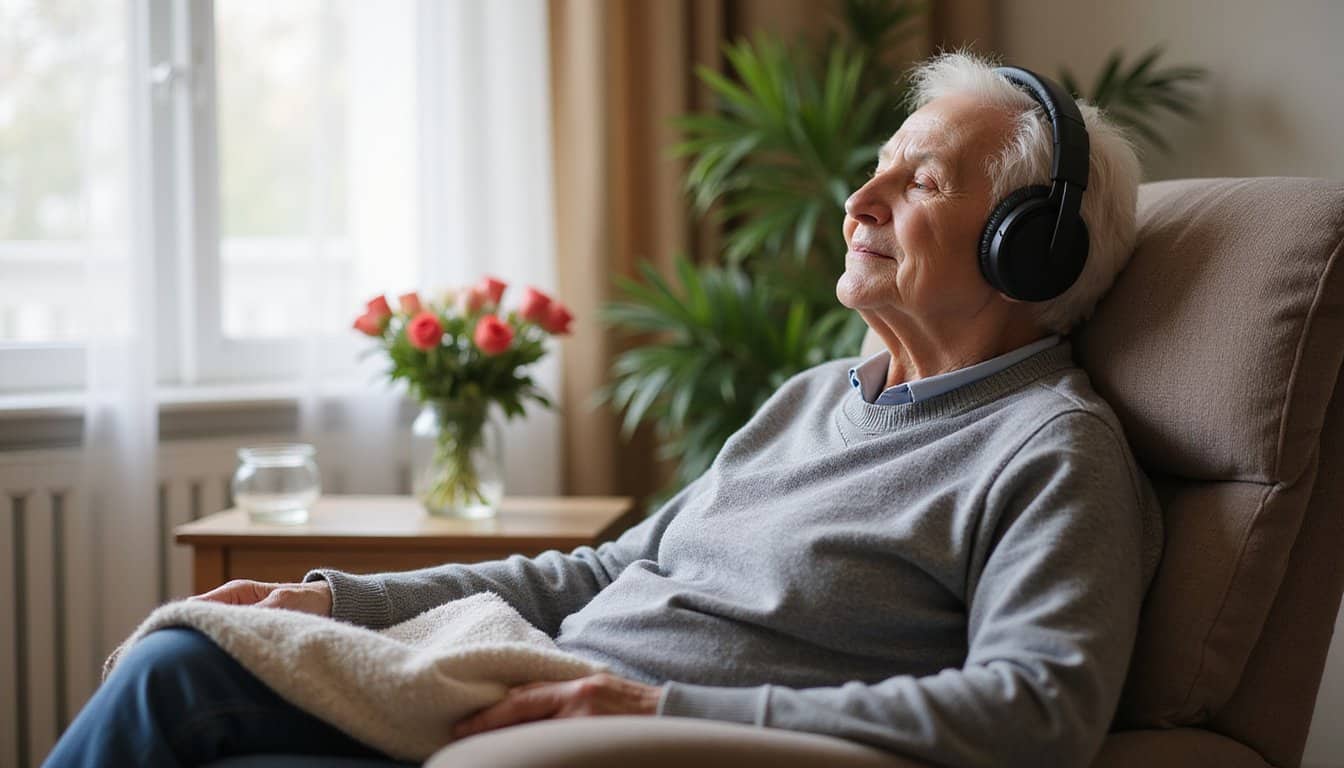
While physical pain demands medical intervention, psychological support serves as a cornerstone of effective hospice pain management. You’ll find that anxiety, depression, and existential distress can intensify physical pain symptoms, creating a cycle that requires thorough intervention. Counseling, supportive listening, and individualized comfort strategies help build emotional resilience while reducing overall pain perception.
Your hospice team will implement psychological comfort measures through various techniques, including relaxation exercises, music therapy, and guided imagery. They’ll also involve your family in the care process, as strong emotional support networks greatly improve pain management outcomes. Through regular reassessment of your emotional needs, the multidisciplinary team adapts their approach, ensuring you receive ideal psychological support that complements medical pain interventions and enhances your quality of life.
Alternative and Complementary Therapies
Beyond traditional medical interventions and psychological support, alternative and complementary therapies offer valuable approaches to pain management in hospice care. You’ll find several evidence-based options that can complement your existing treatment plan, often reducing the need for opioids while enhancing overall comfort.
- Acupuncture benefits include short-term pain relief and reduced nausea, working through the unblocking of energy pathways to restore natural flow
- Aromatherapy effects, when combined with massage therapy, provide immediate comfort and improved circulation without significant adverse events
- Mindfulness practices and yoga help diminish pain perception while enhancing emotional well-being and reducing stress
- Music therapy and energy healing, including touch therapies like Reiki, offer symptom relief through distraction and biofield balancing, particularly effective when tailored to your personal preferences
Family Education and Involvement in Pain Control
Successful pain management in hospice care depends heavily on educating and involving family caregivers in the treatment process. Through structured caregiver training, you’ll learn essential medication management skills and receive extensive family support to overcome common barriers to effective pain control.
| Key Focus Area | Implementation Strategy |
|---|---|
| Medication Skills | Learn proper dosing, storage, and administration techniques |
| Communication | Document pain levels and maintain regular contact with the hospice team |
| Misconception Management | Address fears about addiction and receive education on opioid safety |
You’ll receive written materials and direct coaching from hospice nurses to guarantee accurate medication administration. The hospice team will help you recognize breakthrough pain, monitor symptoms, and understand when to seek professional guidance. Regular interdisciplinary meetings and ongoing support services will strengthen your confidence in managing your loved one’s pain effectively.
Measuring Pain Management Success
How do hospice providers measure and validate their pain management effectiveness? Through systematic pain assessment and outcome measurement protocols, providers track success using multiple validated tools and metrics. You’ll find extensive evaluation methods that guarantee quality care delivery and continuous improvement.
- Regular monitoring using standardized tools like the Numeric Rating Scale (NRS) and Edmonton Symptom Assessment System (ESAS) provides quantifiable data on pain severity and treatment response
- CMS-mandated metrics track the percentage of patients achieving comfort within 48 hours of admission
- CAHPS Hospice Survey captures patient and family feedback on pain management satisfaction
- Staff performance indicators measure response times to pain reports and completion rates of interventions
These integrated measurement systems help providers evaluate treatment effectiveness, adjust care plans, and maintain high-quality pain management standards.
Building an Effective Pain Relief Plan
When designing an effective pain relief plan for hospice patients, providers must integrate multiple therapeutic approaches while considering individual patient needs and preferences. You’ll find that successful plans combine pharmacological interventions, including carefully selected opioids and non-opioid medications, with non-pharmacological therapies like massage and music therapy. Cultural considerations and patient preferences guide the selection of complementary treatments and communication strategies.
Your plan should incorporate regular pain assessments using validated tools, while adapting medication dosing and delivery methods as symptoms change. It is crucial to include family education and caregiver training to guarantee proper implementation of comfort measures. The interdisciplinary team will continuously monitor and adjust interventions based on treatment response, working collaboratively with primary care physicians to maintain the best possible pain control throughout the hospice journey.
Frequently Asked Questions
How Long Does It Typically Take for Hospice Pain Medications to Work?
You’ll notice different onset times depending on medication types and administration routes. Injectable opioids work fastest, providing relief in 5-20 minutes. Oral immediate-release opioids take effect within 30 minutes, while extended-release versions need an hour or more. Non-opioid pain relievers like acetaminophen work in 30-60 minutes. For nerve pain medications, you’ll need to wait several days to weeks for full effectiveness.
Can Patients Become Addicted to Pain Medications During Hospice Care?
While addiction risks exist, you’re unlikely to become addicted to pain medications during hospice care. Research shows extremely low rates of addiction in terminal patients, especially those with cancer pain. Your hospice team will implement careful medication monitoring and individualized dosing to guarantee your comfort while minimizing risks. If you have a prior history of substance use, they’ll create a specialized care plan with additional oversight and family support.
What Happens if the Current Pain Management Strategy Stops Working?
If your current pain management strategy becomes ineffective, your hospice team will conduct a thorough pain assessment to identify why it’s not working. They’ll adjust your medication dosages, try different medications, or change delivery methods. They may also incorporate alternative therapies like massage or music therapy. If pain remains uncontrolled, they’ll consider more aggressive interventions or transfer you to inpatient care. Your care plan will continuously evolve to maintain your comfort.
Are There Religious or Cultural Considerations Affecting Pain Management Choices?
Yes, cultural beliefs and spiritual practices greatly influence pain management decisions. You’ll find that some religions view pain as part of karma or divine purpose, while others emphasize the duty to relieve suffering. You should recognize that certain cultures prefer stoic responses to pain, while others encourage open expression. When developing pain management plans, you’ll need to take into account family hierarchies, collective decision-making processes, and religious restrictions on specific medications.
How Do Seasonal Changes Affect Pain Levels and Management Approaches?
You’ll notice significant pain variations across seasons, with temperature fluctuations directly impacting patient comfort. Cold weather often increases joint stiffness and muscle tension, while seasonal allergies can exacerbate respiratory distress and overall discomfort. You’ll need to adjust pain management approaches seasonally, incorporating additional warmth measures in winter and monitoring indoor air quality year-round. During seasonal changes, you should anticipate increased medication needs and implement environmental modifications proactively.