





Establish a consistent medication routine by using pill organizers and setting daily reminders through alarms or apps. You’ll need to maintain a complete medication list and share it with all healthcare providers. Store your medications in a dedicated, temperature-controlled area, keeping them in original containers with clear labels. Monitor expiration dates and discuss any side effects with your care team promptly. Proper medication management becomes simpler when you understand these essential protocols and organizational strategies.
Understanding Your Daily Medication Routine
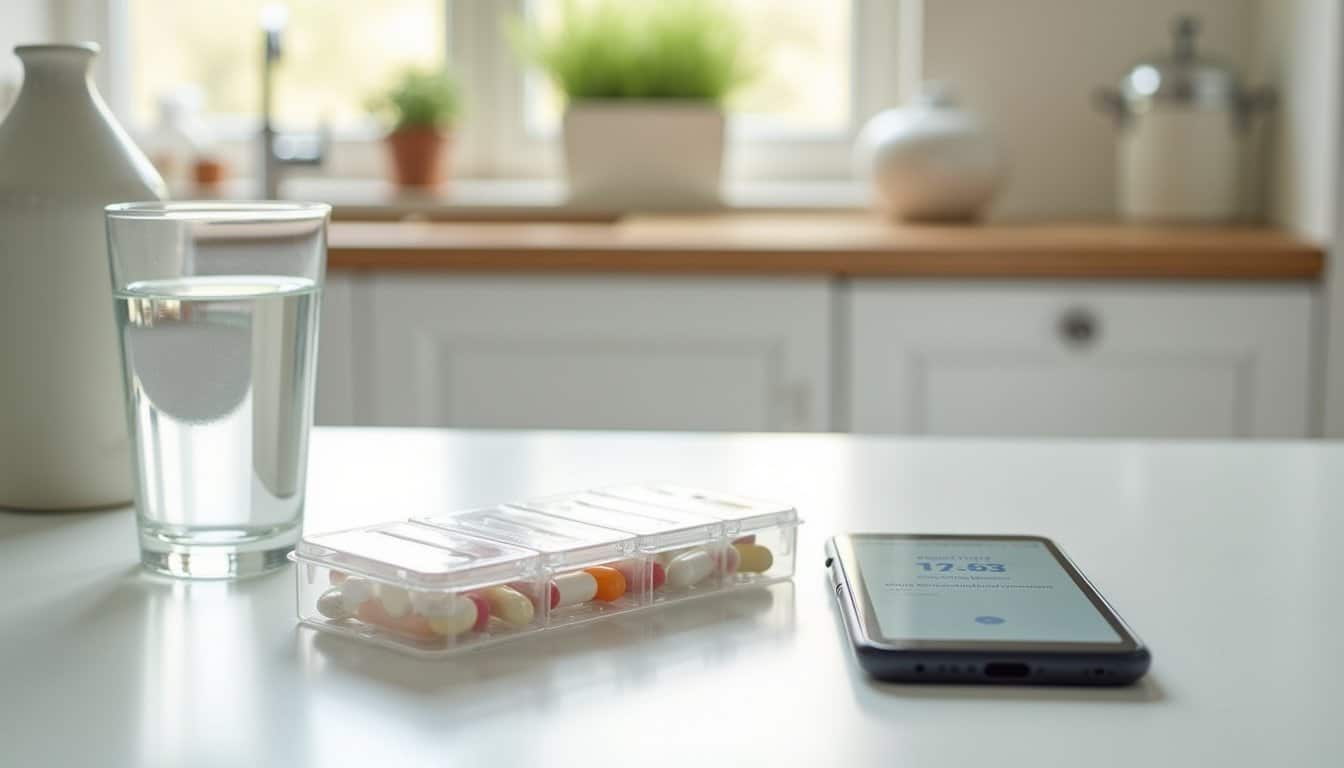
While managing multiple medications can feel overwhelming, establishing a consistent daily routine is imperative for maintaining your health and wellness as you age. Taking your medications at the right times guarantees you’re getting the maximum benefit from your prescribed treatments.
As an older adult, you’ll want to organize your medications using a pill organizer that clearly shows which medications to take throughout the day. Setting daily reminders through alarms or smartphone apps can help you stay on track with your medication schedule. It’s vital to communicate with your healthcare providers about any concerns, side effects, or changes in how you feel. Regular medication reviews with your care team will validate your prescriptions work together effectively and safely. This proactive approach helps prevent missed doses and potential complications.
Creating an Effective Medication Tracking System
Building upon your daily medication routine, a well-organized tracking system serves as the foundation for successful medication management. Start by creating a thorough medication list that includes your prescriptions, over-the-counter (OTC) medications, vitamins, and supplements. Use a pill organizer to manage your daily or weekly doses, and set reminders to keep track of refill schedules.
Maintain a digital or written schedule detailing when to take each medication, and keep your medication list readily accessible. Share this information with your healthcare providers to guarantee accurate documentation of your current regimen. Schedule regular medication reviews with your healthcare provider to evaluate potential drug interactions and side effects. This systematic approach helps you effectively manage your medications while minimizing the risk of errors or missed doses.
Safe Storage and Organization Practices
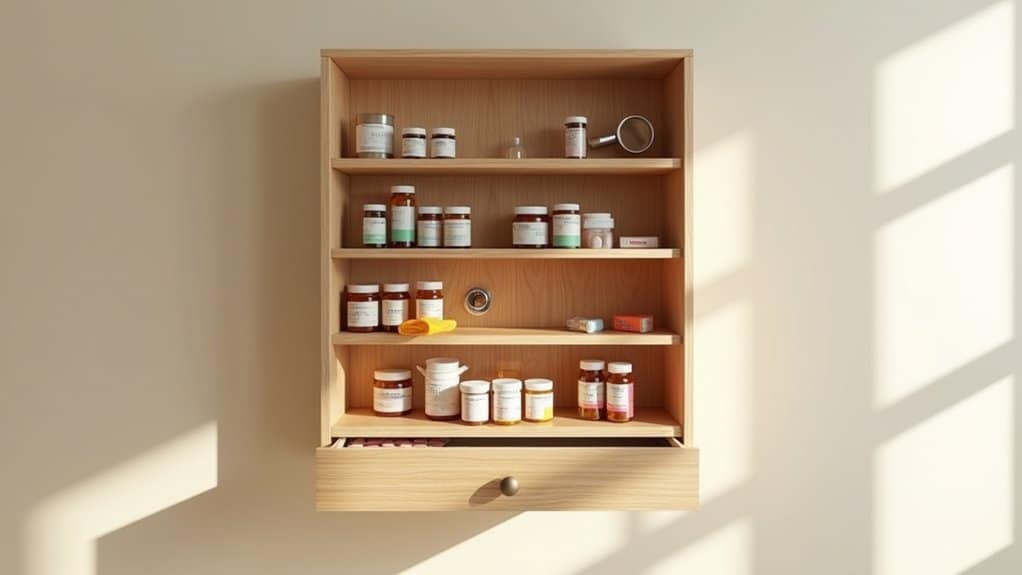
To protect your medications and guarantee their effectiveness, you’ll need to establish a dedicated, secure storage area away from heat, moisture, and direct sunlight. Your storage solution should include a temperature-controlled cabinet or drawer equipped with child-resistant features and organized compartments for different medication types. Keep all medications in their original containers with clear labels, and implement a tracking system to monitor expiration dates and disposal needs.
Secure Medication Storage Areas
Since proper medication storage directly impacts drug effectiveness and safety, establishing a secure storage system is vital for seniors managing multiple prescriptions. You’ll need to create secure medication storage areas that protect your Elderly Medication from environmental factors and unauthorized access.
Store all medication you take in a locked cabinet or drawer, keeping them in their original containers with clear medication labels. It’s paramount to make sure these storage spaces maintain consistent temperature and humidity levels. Work with your healthcare professional to organize separate areas for prescription medications, over-the-counter drugs, and supplements. Consider using a medication reminder system within your storage space to track doses and disposal dates. Remember to regularly check expiration dates and properly dispose of unused medications to prevent accidental ingestion or misuse.
Temperature-Controlled Cabinet Solutions
Proper temperature control plays a pivotal role in maintaining medication effectiveness, making temperature-controlled cabinets an ideal storage solution for seniors. These specialized storage units offer essential medication management benefits that your care team often recommends for older adults managing multiple prescriptions.
You’ll find that thermostat-equipped cabinets maintain consistent temperatures and humidity levels, preventing medication degradation that could alter effectiveness or trigger potential side effects. These secure units, which align with Beers Criteria guidelines for safe medication use, feature digital monitoring systems that alert you when storage conditions fall outside acceptable ranges. The compact, countertop designs provide easy access while protecting your medications from environmental factors. For optimal medication management tips, consider installing a temperature-controlled cabinet that offers both security and proper climate regulation for your prescriptions.
Labels and Expiry Tracking
Clear medication labeling stands at the forefront of senior medication safety protocols. You’ll need to maintain legible labels displaying the medication name, prescribed dosage, and expiry date on all containers. This practice helps prevent potentially dangerous mix-ups and guarantees you’re not taking expired medications.
To track your medications effectively, you’ll want to organize them systematically using pill organizers or digital medication apps. Keep a detailed list of all your prescriptions, over-the-counter medications, and supplements for your healthcare providers’ reference. Store medications in their original containers within a cool, dry environment to preserve their potency.
Remember to check expiry dates monthly and dispose of outdated medications properly. Your local pharmacy can provide guidance on safe disposal methods for unused or expired prescriptions.
Working With Healthcare Providers and Pharmacists

You’ll want to schedule regular medication reviews with your healthcare providers to evaluate the effectiveness of your current prescriptions and discuss any concerns or side effects you’re experiencing. Keeping open lines of communication between your doctors and pharmacist helps guarantee your medication plan remains optimized and safe, especially when multiple providers are involved in your care. Your healthcare team can work together more effectively when you maintain an updated list of all medications and share it during each appointment.
Regular Medication Reviews
Regular medication reviews serve as a critical cornerstone of safe and effective medication management for seniors. When you’re juggling multiple prescriptions, these reviews help identify Potentially Inappropriate Medication Use in Older Adults and prevent complications.
Schedule periodic reviews with your healthcare providers and pharmacists to evaluate your complete medication regimen, including over-the-counter drugs, supplements, and vitamins. During these sessions, discuss any new symptoms or side effects you’re experiencing, and work with your providers to optimize your treatment plan. This proactive approach helps older adults avoid dangerous drug interactions and unnecessary medications.
After hospital stays or visits with multiple providers, it’s especially important to review your medication list for discrepancies. Your healthcare team can help streamline your regimen and suggest appropriate pill organizers to enhance your medication management.
Coordinate Care Team Communication
Building effective communication channels between your healthcare providers and pharmacists forms the foundation of successful medication management. As medication use in older adults becomes more complex, it’s critical for seniors to maintain strong connections with their health care team.
Share your complete medication list with every doctor, nurse, and pharmacist involved in your care. This crucial step helps prevent dangerous drug interactions and guarantees everyone’s on the same page. Don’t hesitate to ask questions about doctor prescribed medications or voice concerns during appointments. Schedule regular reviews with your primary care physician to evaluate your medications’ effectiveness and make necessary adjustments.
Develop a trusted relationship with your pharmacist they’re an indispensable resource for medication tips and can offer guidance on proper administration, potential side effects, and drug interactions that are essential for seniors to understand.
Recognizing and Managing Medication Side Effects
While seniors benefit from medications that help manage various health conditions, they face unique challenges when it comes to side effects. Your body’s natural aging process affects how medications are metabolized, making you more susceptible to adverse reactions. Tips for medication management include monitoring for common symptoms like dizziness, confusion, and gastrointestinal issues that could indicate potential side effects.
If you’re taking medications for high blood pressure or other conditions, it’s vital to help reduce the risk of complications by watching for unusual reactions. Pay special attention when using high-risk medications like benzodiazepines or opioids. To avoid serious problems, don’t hesitate to contact your healthcare provider if you notice any concerning changes. Regular medication reviews and open communication with your care team are necessary to confirm your treatment remains both effective and safe.
Smart Tools and Technology for Medication Management
Today’s technological advances offer seniors powerful tools to simplify their medication routines and enhance adherence. When taking your medication becomes challenging, these smart solutions can help you avoid potential errors and maintain independence in Senior Living environments.
| Technology Type | Key Benefits |
|---|---|
| Pill Organizers | Smart alarms and text reminders |
| Mobile Apps | Drug tracking and refill alerts |
| Auto Dispensers | Precise dosing at scheduled times |
| Digital Records | Complete medication history access |
These innovations align with the Beers Criteria® for Potentially Inappropriate Medication Use in Older Adults by providing safeguards against common medication errors. Your healthcare provider can Help With Medication management by recommending the most suitable technology based on your specific needs, ensuring you stay on track with your prescribed regimen while maintaining safety and independence.
Building a Support Network for Medication Safety
Three key pillars support effective medication management for seniors: family involvement, healthcare coordination, and community resources.
When you’re managing multiple medications, don’t hesitate to ask your pharmacist or healthcare provider questions about your prescriptions. Your family members can help manage medication schedules and guarantee consistent medication adherence. Share access to your medication tracking systems, whether digital or paper-based, with trusted adults who assist in your care.
Essential safety tips include creating a network of support among caregivers who can monitor your prescription refills and recognize potential side effects. If you’re living in a senior community, take advantage of their medication management programs and nursing support. Regular communication between your healthcare team and family members helps prevent medication errors and affirms everyone follows your prescribed treatment plan.
Frequently Asked Questions
What Are the 5 R’s of Medication Management?
You’ll need to follow these essential “rights” when managing medications: administer the right medication to the right patient using the right dosage through the right route at the right time. Some healthcare providers add two more R’s: right documentation and right communication. These seven R’s help prevent medication errors and guarantee your safety. Always verify these elements before taking or administering any medication to maintain proper therapeutic outcomes.
How to Help the Elderly With Medications?
You’ll need to establish daily medication routines using pill organizers and reminders to help elderly patients stay on track. Monitor side effects closely and track medication interactions. Store medications properly in cool, dry places and follow medication disposal guidelines for expired drugs. Plan prescription refills in advance to avoid gaps in treatment. Engage family caregiver support to oversee medication schedules and communicate with healthcare providers about any concerns or changes in condition.
How Do You Organize Medications for Seniors?
You’ll find several effective ways to organize medications for seniors. Start with a color-coded storage system and weekly pill organizers to separate morning, afternoon, and evening doses. Keep detailed medication logs to track intake and set up refill reminders through your pharmacy. Consider electronic medication trackers for automated alerts, and guarantee family support in maintaining the system. Always store medications in secure locations, away from heat and moisture.
What Are Two Medication Management Strategies You Can Express to Older Patients to Promote Compliance With Prescriptions and Avoiding Missing Doses?
You’ll find greater success with medication compliance by incorporating two key strategies. First, establish daily routine reminders using a simple medication organizer, which you can set up with a family member’s assistance. Second, maintain ongoing communication with your doctor through regular medication reviews and reconciliation processes. These adherence monitoring techniques help guarantee you’re taking the right medications at the right times and allow your healthcare team to address any concerns promptly.