




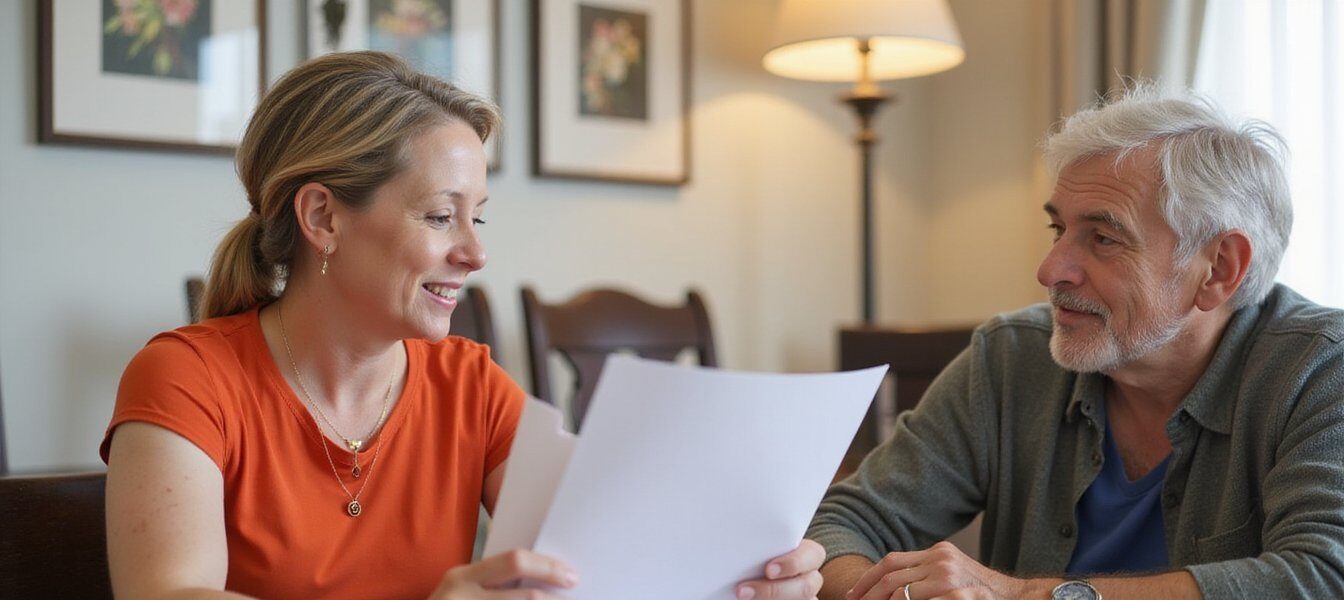
Managing specialized health conditions in seniors requires you to develop a thorough care strategy that addresses both physical and cognitive needs. You’ll need to coordinate medications, monitor chronic conditions, and create a safe living environment while maintaining clear communication with healthcare providers. Establish structured routines, utilize organizational tools, and document daily patterns to guarantee consistent care. Understanding these foundational elements will help you build an effective long-term caregiving approach.
Understanding Common Chronic Conditions in the Elderly

The journey of aging often brings chronic conditions that require careful attention and management. As a caregiver, you’ll need to understand how heart disease, diabetes, and arthritis commonly affect seniors and how these conditions interrelate with age-related changes.
Your role involves recognizing how reduced mobility and cognitive changes can impact your loved one’s ability to manage their health effectively. You’ll need to monitor multiple medications, coordinate medical needs, and implement all-encompassing care strategies that address both physical and mental well-being. Understanding these chronic conditions helps you create an environment that supports independence while ensuring safety. By staying informed about your senior’s specific health challenges, you can better adapt their living space and incorporate supportive technologies to enhance their quality of life.
Developing Personalized Care Strategies
Creating successful care plans requires understanding each senior’s unique needs, preferences, and daily routines. Work closely with healthcare providers to develop strategies that address specific health issues while maintaining your loved one’s dignity and independence.
Start by documenting daily activities, medication schedules, and behavioral patterns. This information helps you establish consistent routines and identify areas where personalized care modifications are needed. You’ll want to take into account physical limitations, cognitive abilities, and social needs when implementing these strategies.
Remember that emotional support is equally important as physical care. Include activities that bring joy and maintain social connections. Don’t hesitate to adjust the care plan as needs change adaptability is key to successful caregiving. Regular communication with family members and healthcare teams guarantees everyone stays aligned with the care objectives.
Medication Management and Safety Protocols
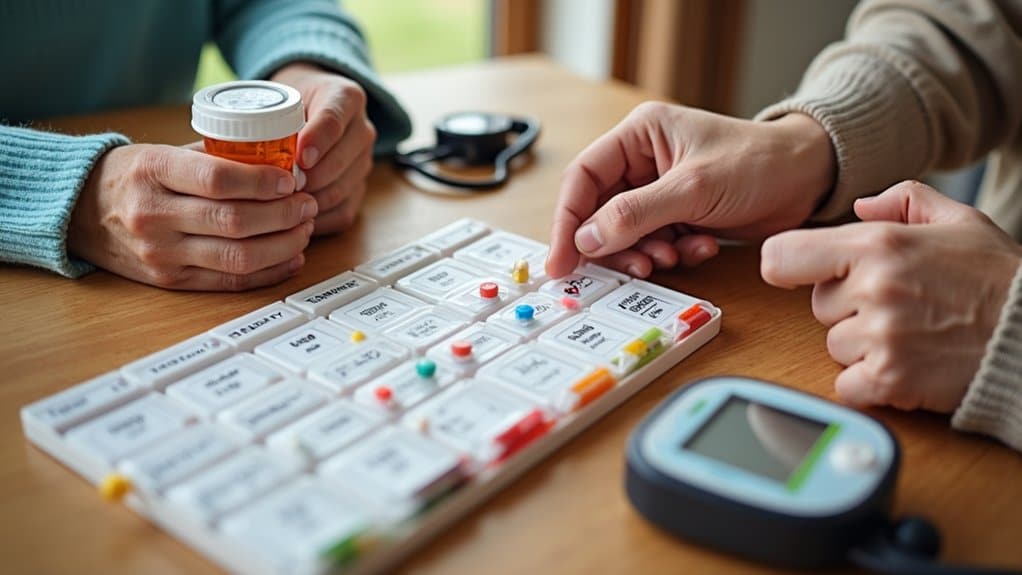
To effectively manage your senior’s medications, you’ll need to establish a well-organized system using pill boxes, medication alarms, or pre-sorted pharmacy packets that clearly indicate dosing times. You must maintain an up-to-date list of all medications, including their potential side effects and interactions, which should be reviewed regularly with their healthcare provider. Creating a structured daily routine for medication administration, combined with consistent monitoring and documentation, will help guarantee your loved one receives the right medications at the right times while minimizing the risk of dangerous drug interactions.
Daily Medication Organization Tips
Proper medication management stands as a cornerstone of effective senior care, requiring both careful organization and consistent monitoring. To protect your loved one’s health, implement a systematic approach using daily or weekly pill organizers, sorting medications by time and day to prevent confusion or missed doses.
Utilize technology to your advantage by setting medication reminders on smartphones or alarm clocks, ensuring timely administration of prescribed drugs. Keep your family informed by maintaining an up-to-date list of all medications, including over-the-counter products and supplements, and share this information with healthcare providers regularly. They’ll help identify potential interactions and adjust dosages as needed. Don’t forget to properly dispose of expired or unused medications, maintaining a safe environment for your senior family member and preventing accidental misuse.
Preventing Dangerous Drug Interactions
Since seniors often manage multiple medications simultaneously, preventing dangerous drug interactions requires vigilant oversight and a thorough safety strategy. To reduce the risk of complications, maintain a comprehensive list of your loved ones’ medications, including over-the-counter drugs and supplements. Share this information with all health professionals involved in their care.
Work closely with your pharmacist, who can screen for potential drug interactions and provide guidance on proper medication timing. Schedule regular medication reviews with your loved ones’ healthcare providers to assess the continued necessity of each prescription and identify possible adverse effects. Consider implementing medication management tools like pill organizers or daily dose packaging to guarantee accurate administration. Remember that open communication with health professionals is pivotal for maintaining your loved ones’ safety and well-being.
Creating an Accessible Living Environment
Making a senior’s living space accessible requires thoughtful modifications that prioritize both safety and independence. Your home requires strategic placement of grab bars in bathrooms and hallways, while proper lighting and clutter-free pathways help prevent falls. Encourage family and friends to assist in arranging furniture to accommodate mobility aids and guarantee wheelchair accessibility.
Focus on adapting the kitchen and bathroom layouts to support daily activities. Install automated systems for temperature control and emergency alerts to enhance safety. Consider adding motion-sensor lights in critical areas and adjusting counter heights for easier access. While these modifications improve strength and mobility potential, they also maintain dignity and autonomy. Remember to evaluate ventilation and natural lighting to create a comfortable environment that promotes both physical and emotional well-being.
Building a Strong Healthcare Support Network

You’ll need to establish clear lines of communication between your senior’s primary care physician, specialists, and other healthcare providers to guarantee everyone remains informed and aligned on treatment goals. Creating a centralized system to track appointments, medications, and care instructions helps you coordinate effectively with the medical team while preventing gaps in care delivery. Consider partnering with a care navigator or social worker who can connect you with reliable community resources and advocate for your senior’s healthcare needs when you’re unable to be present.
Coordinating Medical Team Communication
Managing a senior’s healthcare team effectively can mean the difference between fragmented care and ideal health outcomes. As family caregivers caring for someone, you’ll need to establish clear channels of communication between all healthcare providers helping older adults.
| Provider Type | Communication Tasks |
|---|---|
| Primary Care | Schedule regular updates, maintain medication list |
| Specialists | Share test results, coordinate treatment plans |
| Care Coordinator | Facilitate team meetings, track appointments |
| Support Staff | Document daily observations, report changes |
Designate yourself or another trusted individual as the main point of contact to streamline information sharing. Keep an updated contact list of all healthcare providers and their roles. Encourage your senior to actively participate in their care by asking questions during appointments and expressing their preferences. Regular care conferences will help guarantee everyone stays informed about health status changes and treatment adjustments.
Finding Reliable Healthcare Resources
Building a strong healthcare support network requires careful research and strategic connections with trusted providers and community resources. Your first step should be partnering with a geriatric care specialist who’ll coordinate your loved one’s senior health needs. Use online tools like Eldercare Locator to discover local services and connect with social workers who can guide you through available resources.
Don’t hesitate to seek help from family members in managing healthcare responsibilities. Join caregiver support groups where you’ll gain valuable insights and emotional support from others in similar situations. Embrace telehealth options to facilitate remote medical consultations, especially for routine check-ups or chronic condition management. Maintain thorough medical records and medication lists to guarantee seamless communication between healthcare providers and optimize your loved one’s care quality.
Recognizing Warning Signs and Emergency Response
Recognizing medical emergencies quickly can mean the difference between life and death for seniors under your care. As you perform daily tasks, stay alert for warning signs that require immediate action. Watch for stroke symptoms like sudden numbness, confusion, or difficulty speaking. Don’t feel guilty about calling 911 if you notice chest pain, shortness of breath, or cold sweats that might indicate a heart attack.
Your physical and emotional awareness is pivotal when monitoring seniors for dehydration, infections, and medication side effects. Learn their baseline health conditions and don’t hesitate to ask for help if you notice concerning changes. Pay special attention to breathing difficulties, severe bleeding, or sudden mental status changes. Having an emergency response plan ready guarantees you’ll act swiftly when seconds count.
Essential Self-Care Tips for Long-Term Caregiving
While dedicating yourself to caring for others, you must prioritize your own well-being to sustain the energy and emotional resilience needed for long-term caregiving. As you care for your loved one, maintaining your physical and mental health isn’t optional it’s essential for providing quality care.
| Self-Care Need | Action Steps |
|---|---|
| Physical Health | Exercise daily, maintain a balanced diet |
| Mental Health | Practice mindfulness, seek counseling |
| Social Connection | Join support groups, meet friends regularly |
| Personal Time | Schedule respite care, pursue hobbies |
Remember that taking breaks isn’t selfish it’s necessary. When you’re caring for the person you care about, your own well-being directly impacts the quality of care you provide. Utilize respite care services to prevent burnout, and don’t hesitate to reach out to professional counselors or support groups when feeling overwhelmed.
Frequently Asked Questions
What Are the 3 C’s of Caregiving?
As a caregiver, you’ll need to master the three C’s: Communication, Coordination, and Compassion. You’ll practice compassionate communication when actively listening and sharing information with your care recipient. Through thorough planning and consistent routines, you’ll coordinate care effectively. Finally, you’ll provide continuous support while maintaining empathy and self-care practices. These interconnected elements guarantee you’re delivering the best possible care while preventing caregiver burnout.
How Much Does Medicaid Pay a Caregiver?
Medicaid reimbursement rates for caregivers typically range from $8.79 to $14.93 per hour, but you’ll find these rates vary considerably by state. Through family caregiver stipends and caregiver compensation programs, you can receive payment for providing personal care services to eligible family members. While some states offer higher rates for specialized care or adult day care funding, it’s best to check with your local Medicaid office for specific payment details in your area.
What Are Three Signs of Caregiver Stress?
If you’re experiencing emotional exhaustion where you feel constantly drained and irritable, that’s a key warning sign of caregiver stress. You might also notice increasing social isolation, where you’re withdrawing from friends and activities you once enjoyed. Physical fatigue is another significant indicator your body may feel consistently tired, and you might have trouble sleeping or experience headaches. These signs often emerge when overwhelming responsibilities begin to take their toll on your wellbeing.
How Can a Caregiver Take Care of the Elderly?
As a caregiver, you’ll need to establish consistent daily routine modifications that support your elderly care recipient’s needs. Focus on proper medication management strategies, like using pill organizers and medication reminders. Implement safe mobility assistance techniques when helping with walking or transfers. Don’t forget to encourage social engagement activities, such as family visits or hobby groups. You should also monitor their health closely and maintain regular communication with their healthcare providers.