





Pain management is absolutely critical in modern palliative care, with over 80% of cancer and AIDS patients experiencing moderate to severe pain. You’ll find that effective pain control allows patients to maintain dignity and quality of life during serious illness. Healthcare teams use validated assessment tools and holistic approaches to address both physical and emotional suffering. When pain is well-managed, patients and families can focus on meaningful connections and moments together, opening the door to deeper healing possibilities.
The Central Role of Pain in End-of-Life Care

When we examine the landscape of end-of-life care, pain emerges as the most pressing concern for both patients and healthcare providers. You’ll find that the statistics paint a sobering picture: 80% of cancer and AIDS patients experience moderate to severe pain, while 67% of those with cardiovascular disease or COPD face similar challenges during their final months. Regular monitoring through patient pain logs provides crucial information about treatment effectiveness and helps guide ongoing care decisions. A comprehensive approach known as total pain concept addresses not only physical symptoms but also emotional, interpersonal, and acceptance factors that affect patient comfort.
Understanding pain perception is essential, as it affects not just the physical body but creates significant emotional distress for patients and their families. You can take comfort in knowing that modern palliative care offers hope; studies show that 73-87% of patients achieve complete pain relief, with almost all experiencing at least partial relief. It’s why healthcare systems worldwide recognize pain management as both a fundamental human right and an ethical imperative in preserving patient dignity. Unfortunately, restrictive regulations on essential pain medications like morphine continue to limit access to adequate pain management for many patients.
Understanding Pain Management Statistics and Global Access
Three stark realities define the global landscape of pain management in palliative care: widespread suffering, profound inequality, and limited access to essential medications. You’ll find that over 61 million people worldwide experience serious health-related suffering, with the burden increasing by 74% since 1990. According to recent data, non-communicable diseases have become the leading cause of health-related suffering in high-income countries. Pain control with proper medications affects all patients and families, with the WHO estimating 80% of patients require access to opioid analgesics.
The global disparities in pain management are staggering: while you might live in a wealthy nation with ready access to pain relief, the poorest half of the world’s population receives just 1% of available opioid medications. If you’re in one of the 75 countries without palliative care services, you’re facing a healthcare system where pain relief remains out of reach. Most troubling is that 80% of those needing palliative care live in low- and middle-income countries, where access to essential pain medications remains severely limited. The richest countries, representing just 10% of the global population, receive almost 90% of opioid medications distributed worldwide.
Assessment Tools and Treatment Approaches
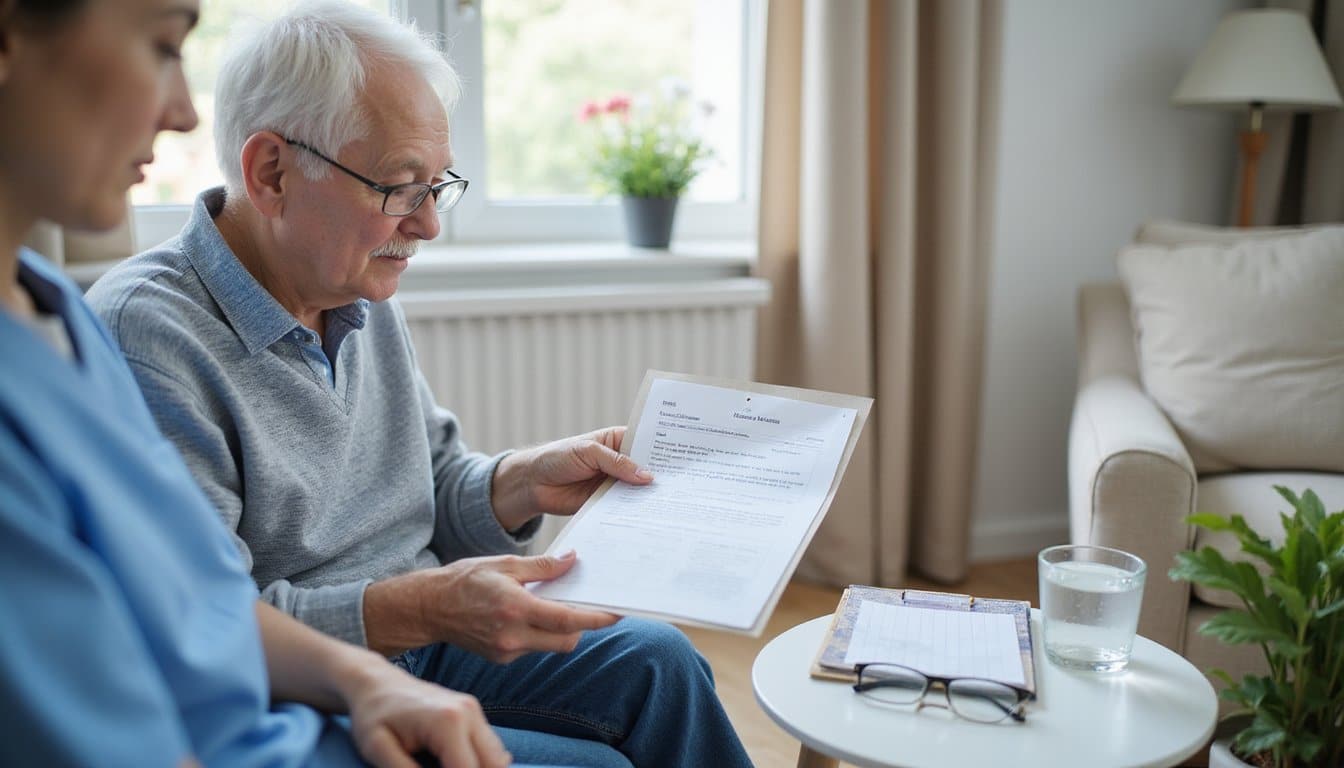
You’ll find several validated pain measurement tools that help your healthcare team accurately assess and monitor pain levels, including the widely-used 0-10 Numeric Pain Rating Scale and the Wong-Baker FACES Scale. The McGill Pain Inventory can provide detailed descriptions of pain characteristics through specific adjectives. When you’re unable to communicate verbally, your care team can rely on specialized observational tools like FLACC or MOPAT, which evaluate behavioral and physiological signs of discomfort. Primary goal of hospice focuses on keeping patients comfortable through effective symptom management. Your thorough pain assessment guides the development of personalized treatment plans that address not just the physical aspects of pain, but also its emotional and psychological impact on your well-being.
Pain Measurement Scales Explained
Accurate pain assessment serves as the foundation for effective palliative care treatment. You’ll find several pain scale types designed to capture your loved one’s discomfort level precisely. The Numeric Pain Rating Scale (0-10) offers a straightforward way to communicate pain intensity, while the Wong-Baker FACES scale uses expressive faces that can help patients who prefer visual pain assessment.
For those who can’t verbalize their pain, specialized tools like the PAINAD and FLACC scales enable healthcare providers to observe behavioral indicators. These tools assess factors such as facial expressions, body movements, and consolability. Objective documentation of clinical needs through these assessment tools helps reduce unrecognized and untreated pain. Similar to the Palliative Performance Scale, these assessment methods facilitate clear communication between healthcare providers about patient care needs. When pain scores indicate moderate to severe discomfort (typically >4 on a 0-10 scale), your healthcare team will adjust treatment plans accordingly, ensuring your loved one receives appropriate care and comfort.
Holistic Treatment Planning Methods
Building on effective pain assessment, a holistic treatment plan encompasses multiple dimensions of care to support your loved one’s well-being. You’ll find that thorough care teams use standardized screening tools to evaluate physical symptoms while also addressing emotional, social, and spiritual needs. They’ll work to understand your family member’s support systems, beliefs, and personal values. Professional empathy helps create a supportive environment throughout the care journey.
The treatment approach combines conventional medical interventions with integrative therapies like meditation, massage, or music therapy. Starting palliative care at the time of diagnosis can provide maximum benefit throughout the treatment journey. Your care team will respect patient autonomy by including you and your loved one in decision-making processes, ensuring treatments align with cultural beliefs and personal preferences. They’ll regularly communicate across disciplines, from physicians to chaplains, to adjust care strategies based on changing needs and responses to treatment. This collaborative approach helps create a truly personalized healing experience. Care teams recognize the vital role of caregiver well-being and provide essential resources to help family members maintain their own health while supporting their loved ones.
Impact on Patient and Family Well-being
When your loved one receives effective pain management in palliative care, you’ll notice significant reductions in both their physical distress and your family’s emotional strain. You’ll find that managing pain successfully allows for more meaningful interactions and quality time together, as your family member can focus on connection rather than discomfort. Your family’s daily living quality improves substantially when pain control is optimized, enabling everyone to experience less anxiety and better engage in essential caregiving tasks while maintaining emotional well-being. Modern palliative care approaches incorporate total pain concept to address not just physical symptoms but also psychosocial and spiritual dimensions of suffering. With at least 13 million Americans living with serious illnesses and facing pain-related challenges, effective pain management has become a cornerstone of comprehensive palliative care services.
Family Stress Reduction Benefits
Through extensive family support systems, palliative care teams considerably reduce the emotional and practical burdens that accompany caring for seriously ill loved ones. You’ll find thorough support through family meetings, caregiver empowerment, and decision-making clarity that helps navigate challenging times. Regular therapeutic alliance building between families and medical teams leads to improved communication and trust.
| Stress Reduction Area | Benefits You’ll Experience |
|---|---|
| Emotional Support | Reduced anxiety and depression risk |
| Communication | Facilitated family discussions and conflict resolution |
| Decision Making | Clear guidance for advance care planning |
| Resource Access | Connection to financial and community resources |
| Caregiver Training | Enhanced confidence in home care management |
This structured support system guarantees you’re never alone in your caregiving journey. You’ll receive practical tools for stress management, expert guidance in family communication, and assistance with resource navigation, all designed to lighten your emotional load while providing the best possible care for your loved one.
Improving Daily Living Quality
As patients navigate serious illness, extensive palliative care greatly enhances their daily quality of life through targeted symptom management and emotional support. Regular symptom assessment using validated scales guarantees you’ll receive consistent relief from distressing symptoms, helping maintain your independence and self-care abilities.
You’ll find that proper pain management and emotional support markedly improve your psychological well-being, reducing anxiety and depression. With specialized palliative care, you’re likely to experience better health-related quality of life compared to standard care alone. The evidence shows meaningful improvements in daily functioning, particularly when care includes evening and weekend coverage. You’ll also benefit from rehabilitation services that enhance mobility and maintain your autonomy, while structured counseling helps preserve your dignity and peace of mind throughout your journey.
Overcoming Barriers to Effective Pain Relief

Despite considerable advances in pain management science, numerous barriers continue to prevent patients from receiving adequate pain relief in palliative care settings. Regulatory challenges create hurdles for prescribing essential medications, while educational initiatives often fall short in preparing healthcare providers to effectively assess and treat pain. You’ll find that cultural sensitivities and healthcare biases can notably impact how pain is reported and treated.
To overcome these obstacles, it’s vital to focus on interdisciplinary collaboration and address access disparities head-on. You can work with your healthcare team to bridge knowledge gaps, challenge misconceptions about pain medications, and advocate for better insurance coverage. By understanding these barriers, you’re better equipped to navigate the complex landscape of pain management and guarantee you or your loved one receives appropriate care.
Ethical Dimensions and Quality of Life Considerations
When managing pain in palliative care, ethical considerations intersect deeply with quality of life outcomes, creating a complex landscape that demands careful navigation. You’ll find that addressing ethical dilemmas requires balancing effective pain relief against potential risks while honoring patient autonomy through informed decision-making.
Your responsibility extends beyond physical symptom management to encompass psychological, social, and spiritual well-being. You must guarantee patients and their surrogates understand treatment options, potential side effects, and alternatives. This empowers them to make choices aligned with their values and preferences. Remember that justice and equity play vital roles; you’ll need to advocate for fair access to pain relief, particularly for marginalized groups who often face barriers to adequate care. By maintaining these ethical principles, you’ll help preserve your patients’ dignity and quality of life.
Frequently Asked Questions
How Long Does It Typically Take for Pain Medications to Start Working?
Your pain relief timelines will vary depending on how you’re taking your medication. If you’re receiving IV medications, you’ll typically feel relief within 5-10 minutes. For oral medications like morphine or oxycodone, you’ll notice medication onset in 30-60 minutes. If you’re using a pain patch, it’ll take 12-24 hours to start working. Don’t worry if it takes a little time; your healthcare team will help monitor your comfort level and adjust as needed.
Can Alternative Medicine Replace Traditional Pain Management in Palliative Care?
No, alternative medicine can’t fully replace traditional pain management in palliative care. While complementary therapies like acupuncture, massage, and mindfulness can enhance your comfort and well-being, they work best alongside conventional treatments. These holistic approaches can help reduce your pain and improve quality of life, but they typically provide short-term relief. For moderate to severe pain, especially near end-of-life, you’ll still need traditional medications like opioids for effective pain control.
What Role Do Family Members Play in Monitoring Patient Pain Levels?
Your family’s involvement is essential in monitoring pain levels, as you’re often the first to notice subtle changes in your loved one’s behavior or discomfort. You’ll see signs that healthcare providers might miss during brief visits, like changes in eating habits, sleep patterns, or facial expressions. Through effective communication strategies with the medical team, you can help track pain using assessment tools and report changes immediately, ensuring your loved one receives timely pain management adjustments.
Are There Age-Specific Considerations When Developing Pain Management Protocols?
Yes, you’ll need to carefully tailor pain management protocols to each age group. For pediatric protocols, you must consider heightened sensitivities to medications and use age-appropriate assessment tools. Senior considerations require attention to altered drug metabolism and increased risk of side effects. When conducting geriatric assessments, you’ll need to account for cognitive status and multiple health conditions. Understanding these age-related sensitivities helps you provide safer, more effective pain control for every patient.
How Often Should Pain Management Medications and Dosages Be Reviewed?
You’ll need to review pain management medications and dosages at every patient encounter. For inpatients, this means daily reviews, while outpatients typically require weekly assessments or more frequent if symptoms change. Your pain assessment should be ongoing, using quantitative scales to guide medication titration. If you’re caring for patients with cognitive impairment or organ dysfunction, you’ll want to increase the frequency of reviews to guarantee safety and effectiveness.