





Access PTSD support through senior care programs by first getting screened at your local VA Medical Center or Community Based Outpatient Clinic. You’ll need to establish VA enrollment status, connect with trauma-informed care providers, and participate in personalized treatment planning. Work with staff to identify triggers and develop coping strategies while joining peer support groups. Consider telehealth options for remote access. Following these evidence-based protocols helps guarantee thorough care aligned with veterans’ unique needs.
Understanding PTSD Prevalence Among Aging Veterans
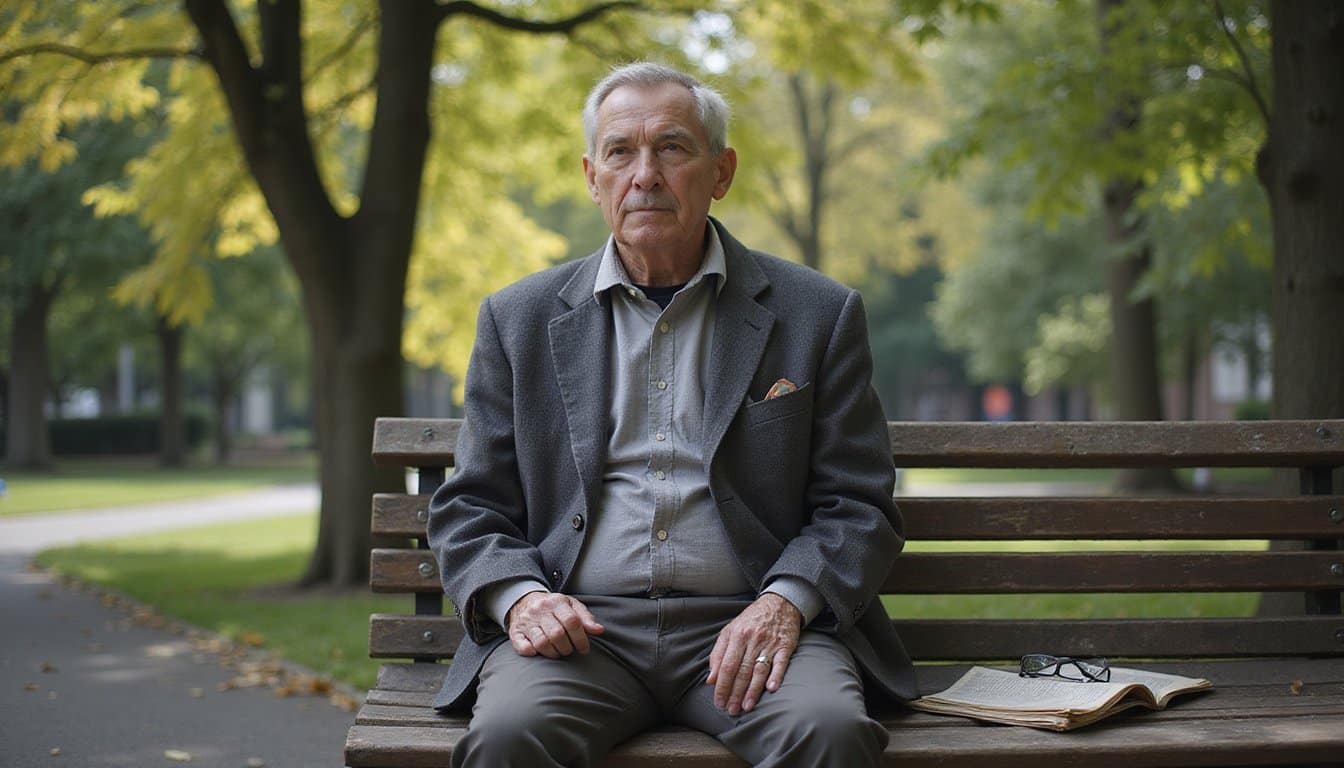
While recent conflicts have drawn attention to PTSD in younger veterans, aging veterans represent a notable and growing population facing unique mental health challenges. With over 60% of U.S. veterans now aged 55 or older, understanding PTSD prevalence in this demographic is essential for healthcare providers. Recent research indicates that sudden death of loved ones is the most commonly reported trauma among veterans. Research shows that veterans experiencing symptom exacerbation demonstrate increased anxious arousal. The study reveals that VA healthcare users show higher rates of PTSD compared to veterans not using VA services.
Current data shows that full PTSD affects approximately 1.7% of older veterans, while subthreshold PTSD impacts about 8.5%. You’ll find these rates vary markedly by service era, with Vietnam veterans showing higher prevalence than World War II or Korean War veterans. Women veterans consistently demonstrate higher rates of both full and subthreshold PTSD compared to their male counterparts. Nearly 93% of aging veterans report exposure to at least one traumatic event, and about 9.9% experience symptom reactivation decades after their initial trauma.
Recognizing Signs and Symptoms in Senior Care Settings
You’ll notice senior veterans with PTSD often display behavioral warning signs that can be mistaken for typical aging, including heightened startle responses, social withdrawal, and sudden mood changes. When providing care, you must watch for environmental triggers like loud noises, unexpected visitors, or personal care routines that can prompt flashbacks or agitation in veterans with trauma histories. Creating safe environments through proper trigger management helps veterans maintain emotional stability in senior care settings. Many seniors with PTSD experience resurfacing memories as they enter their later years, particularly during significant dates or anniversaries. Your ability to recognize these distinct PTSD manifestations through proper staff training will help differentiate them from other conditions like dementia, ensuring veterans receive appropriate mental health support rather than misdiagnosed care. Healthcare providers should be aware that veterans with PTSD have nearly twice the risk of developing dementia compared to those without the condition.
Common Behavioral Warning Signs
When caring for veterans in senior care settings, recognizing PTSD behavioral warning signs requires careful observation and documentation of specific patterns. You’ll need to monitor key behavioral cues, including withdrawal from social activities, avoidance of trauma-related discussions, and sudden disinterest in previously enjoyed hobbies. Watch for intense emotional reactions to specific triggers, such as heightened startle responses or angry outbursts. The presence of recurring vivid traumatic memories often disrupts daily activities and requires specialized support interventions. Research shows that early treatment significantly improves outcomes and prevents symptom escalation. If security concerns arise, security services may need to be contacted to ensure safety protocols are maintained.
Pay attention to changes in sleep patterns, concentration difficulties, and signs of hypervigilance. Document any physical manifestations, including unexplained gastrointestinal issues or cardiovascular symptoms. You should also note persistent mood changes, such as emotional numbness or inability to experience joy. If you observe reckless behaviors, self-neglect, or unwillingness to participate in care programs, these may indicate underlying PTSD requiring immediate clinical attention.
Staff Training Key Points
Effective staff training on PTSD recognition requires an extensive understanding of how trauma manifests differently in senior populations. You’ll need to focus on distinguishing PTSD symptoms from dementia-related behaviors, as they often overlap in areas like agitation and aggression. The lack of routine screening continues to be a significant barrier to proper diagnosis and care delivery. The trauma-informed care approach developed by VA Boston experts helps staff better understand and address veterans’ unique needs. Understanding that somatic complaints often mask emotional trauma in older adults is crucial for accurate assessment.
To guarantee training effectiveness, implement structured modules that cover trauma-informed care practices and screening protocols. You’ll want to emphasize staff engagement through hands-on learning about trigger identification and appropriate intervention strategies. Train your team to document behavioral changes systematically and recognize when to refer residents for specialized evaluation.
Remember that cultural sensitivity plays a vital role in trauma assessment. You must equip staff to take into account each veteran’s unique background, incorporating personalized care approaches that respect their experiences while maintaining emotional and physical safety standards.
Building a Trauma-Informed Care Environment
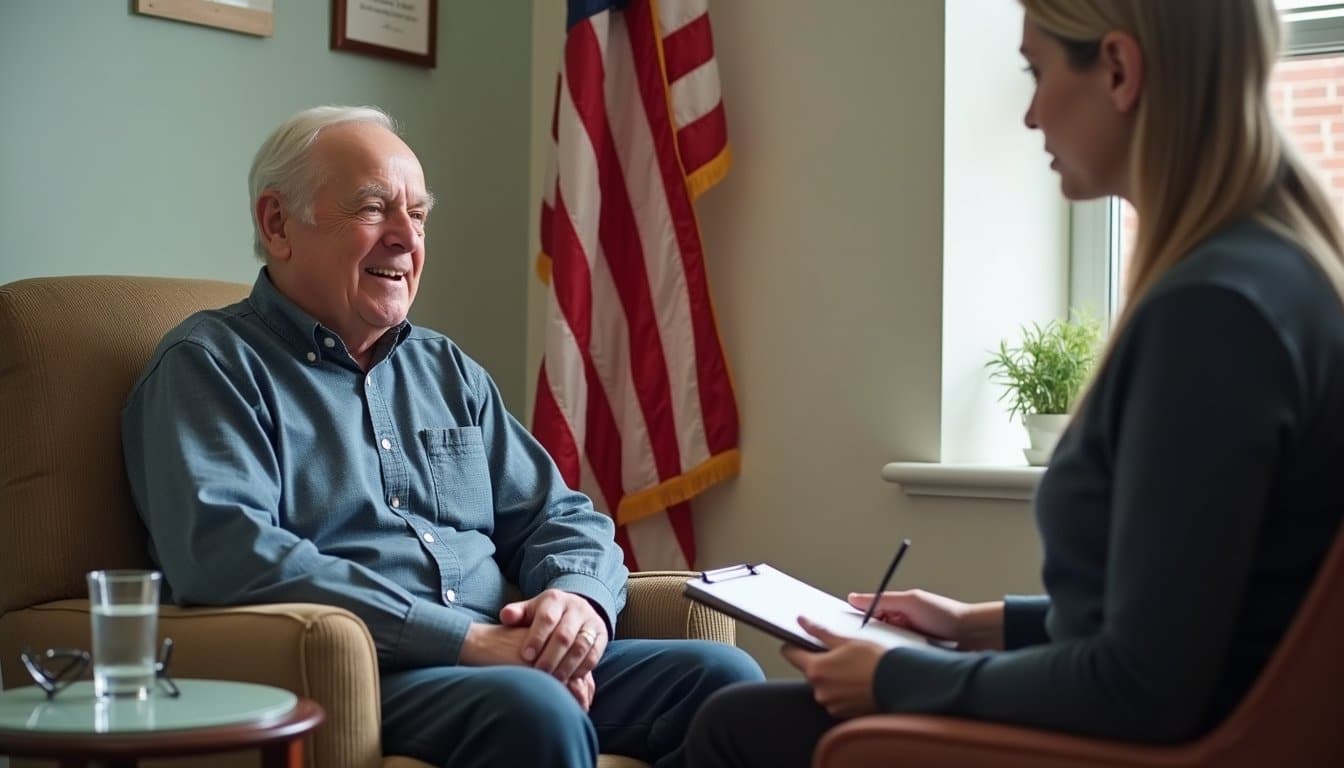
To build an effective trauma-informed environment for veterans, you’ll need to implement thorough staff training that focuses on recognizing PTSD triggers and appropriate response protocols. You can prevent re-traumatization by establishing clear strategies for managing potential triggers, such as loud noises, unexpected physical contact, or loss of personal control. Your personalized care plans must incorporate each veteran’s unique trauma history, identified triggers, and preferred coping mechanisms while emphasizing their autonomy and dignity in the care setting. Regular peer support groups can help veterans share their experiences and find comfort in connecting with others who understand their journey. Creating a calm, quiet environment is essential as distressing behaviors may be misinterpreted as symptoms of dementia rather than trauma responses. A comprehensive safety-focused approach ensures that both staff and veterans feel secure while engaging in treatment activities and daily routines.
Staff Training Best Practices
Building a trauma-informed care environment requires thorough staff training across multiple core competencies. You’ll need to implement extensive staff education programs that cover trauma exposure, PTSD mechanisms, and evidence-based treatments. Your training techniques should include psychoeducation workshops, thought exercises, and scenario-based roleplaying to develop practical skills.
Make sure your staff receives instruction on veteran-specific contexts, including military culture, TBI, and MST. Given that up to 20% of recent servicemembers have received PTSD diagnoses, comprehensive training is essential. You’ll want to incorporate regular refresher courses and clinical supervision to maintain skill proficiency. Focus on teaching active listening, empathy, and non-judgmental communication techniques. Use real-life case examples and metaphors to promote understanding of crisis responses. Remember to establish cross-disciplinary communication protocols to guarantee coordinated support across all care providers.
Trigger Prevention Strategies
Since preventing PTSD triggers forms the foundation of trauma-informed care, your facility must implement thorough environmental and procedural safeguards. Start by applying trigger mitigation techniques through environmental modifications like calming colors, soundproofing, and consistent layouts that minimize sensory overload and promote safety.
You’ll need to establish predictable daily routines while providing advance notice of any changes. Create clear opt-out procedures for potentially triggering activities and guarantee residents have access to private spaces for self-regulation. Don’t forget to incorporate cultural sensitivity in your approach by adapting communication styles and activities to reflect diverse backgrounds.
Empower residents by including their input in program planning and offering choices in daily activities. Regular feedback from those with lived trauma experience should guide your continuous improvement efforts.
Personalized Care Plan Design
When designing personalized care plans within a trauma-informed environment, your facility must prioritize both physical and psychological safety through thoughtful architectural and operational considerations. Focus on creating spaces that support individualized strategies while enabling veterans to maintain control over their surroundings.
Key elements for implementing personalized goals include:
- Install adjustable lighting and temperature controls that allow veterans to modify their environment based on comfort needs
- Create private retreat spaces where veterans can decompress during overwhelming situations
- Position seating and furniture to maximize both social connection opportunities and personal boundaries
Incorporate feedback mechanisms to continuously refine care plans, and guarantee common areas support both independent activities and group therapy sessions. Enable personal space customization to reinforce self-identity while maintaining clear sightlines to exits and staff support areas.
Navigating VA Health Services and Resources

The path to PTSD treatment through VA health services begins with understanding available resources and access points. You’ll find extensive support through VA Medical Centers and Community-Based Outpatient Clinics, with specialized PTSD Clinical Teams ready to assist you.
Your VA enrollment status determines your access to treatment options, though Vet Centers provide counseling even without enrollment. You can connect with providers through telehealth services if you’re in remote areas. The VA offers evidence-based therapies including Cognitive Processing Therapy, Prolonged Exposure, and EMDR.
To start your care journey, contact your local VA Medical Center or explore online resources through AboutFace and the National Center for PTSD. You’ll receive personalized treatment plans that address both PTSD and related concerns, coordinated by dedicated VA care teams.
Overcoming Barriers to Mental Health Support
Breaking down barriers to mental health support requires understanding both personal and systemic obstacles that veterans face. Through targeted community outreach and stigma reduction initiatives, you’ll find more accessible pathways to care. Veterans often encounter challenges ranging from transportation difficulties to complex healthcare navigation.
Mental health support becomes accessible when we address the unique personal and systemic challenges veterans face in seeking care.
- Connect with VA patient advocates who can help you overcome logistical barriers and access available resources
- Participate in peer support groups that normalize mental health discussions and reduce feelings of isolation
- Utilize telehealth services to bypass transportation and scheduling obstacles, especially if you’re in rural areas
Remember that seeking help isn’t a sign of weakness but a step toward recovery. Many VA facilities now offer integrated care models that address both physical and mental health needs, making it easier to receive thorough support while maintaining privacy and dignity.
Implementing Effective Treatment Strategies
Successful PTSD treatment strategies integrate multiple evidence-based approaches tailored to your specific needs and circumstances. You’ll find proven psychotherapy techniques like Cognitive Processing Therapy (CPT) and Prolonged Exposure Therapy (PE), which can be delivered either in-person or through telehealth services.
Your treatment plan may combine medication management with therapy for ideal results. Healthcare providers carefully select appropriate medications, such as SSRIs or SNRIs, while considering age-related factors and existing health conditions. They’ll monitor your progress using validated assessment tools and adjust your treatment accordingly.
You can also benefit from complementary therapies like mindfulness practices, art therapy, or animal-assisted interventions. These holistic approaches work alongside traditional treatments to enhance your recovery journey and provide additional coping mechanisms for managing PTSD symptoms.
Coordinating Care Through Interdisciplinary Teams
When coordinating your PTSD care, interdisciplinary teams at VA facilities work seamlessly to provide extensive mental health support. These teams include psychiatrists, psychologists, nurses, social workers, and peer support specialists who collaborate to address both your mental and physical health needs.
Your care coordination through BHIP teams guarantees thorough treatment through:
- Regular team meetings to discuss your treatment goals and adjust care plans
- Streamlined referral processes between VA and community providers
- Ongoing evaluation of your progress with coordinated follow-up services
This interdisciplinary collaboration enables your healthcare team to respond quickly to changing needs while maintaining consistent communication. You’ll work directly with specialists who understand your unique circumstances, and they’ll help connect you with additional resources and support services when needed, facilitating smooth changes throughout your treatment journey.
Frequently Asked Questions
How Do Family Members Support Veterans With PTSD During Senior Care Transitions?
You’ll play an essential role by providing emotional support and maintaining consistent communication during care changes. Help coordinate VA healthcare appointments, manage medication schedules, and participate in caregiver training programs like SAFE to better understand PTSD symptoms. Stay involved by attending medical visits, connecting your loved one with VA resources, and encouraging social activities. You can also help reduce treatment stigma through positive communication strategies and ongoing encouragement.
What Financial Assistance Programs Help Veterans Access Non-Va Senior Care Facilities?
You’ll find several key financial grants and veteran benefits to help cover non-VA senior care costs. The VA Basic Pension provides up to $1,413 monthly, while Aid and Attendance can add $2,358 more for intensive care needs. You’re also eligible for TRICARE for Life as Medicare supplementary coverage. Don’t overlook state-level programs and nonprofit organizations that offer additional financial support specifically for veterans moving to senior care facilities.
Can Veterans Receive PTSD Treatment While Living in Independent Senior Communities?
Yes, you can receive PTSD treatment while living in independent living communities. You’ll have access to on-site mental health professionals, specialized therapy sessions, and support groups designed for veterans. Many community resources include counseling services, veteran-specific programs, and partnerships with organizations like the Wounded Warrior Project. You’ll find structured environments with calming spaces and daily routines that help manage PTSD symptoms, plus coordinated care plans tailored to your needs.
How Often Should PTSD Assessments Be Conducted in Long-Term Care Settings?
You’ll need PTSD assessments every 2-5 years per VA standards, but in long-term care settings, you should receive more frequent monitoring. Your care plan should include regular symptom reviews, especially if you develop dementia or show changes in behavior. While formal evaluations use tools like CAPS-5, your healthcare team will conduct ongoing assessments during routine visits, typically every 2-3 months, to guarantee your treatment remains effective and appropriate.
What Alternative Therapies Are Available for Veterans Who Resist Traditional PTSD Treatment?
You’ll find several evidence-based alternatives if you’re resistant to traditional PTSD treatment. Mindfulness practices like Transcendental Meditation and mantram repetition can reduce symptoms without focusing directly on trauma. Art therapy offers a non-verbal way to process emotions and improve well-being. You might also benefit from body-based options like acupuncture, yoga, or equine therapy. These approaches can work independently or complement standard treatments while respecting your comfort level.