





Trauma-informed care creates safer, more supportive environments in senior living communities by recognizing and addressing past experiences that affect residents’ well-being. You’ll see reduced behavioral incidents, improved staff retention, and enhanced quality of life through specialized training and personalized support approaches. This thorough care model leads to significant cost savings while fostering trust and meaningful connections. Understanding how trauma impacts aging can transform your community’s approach to resident care and healing.
Understanding the Core Principles of Trauma-Informed Care
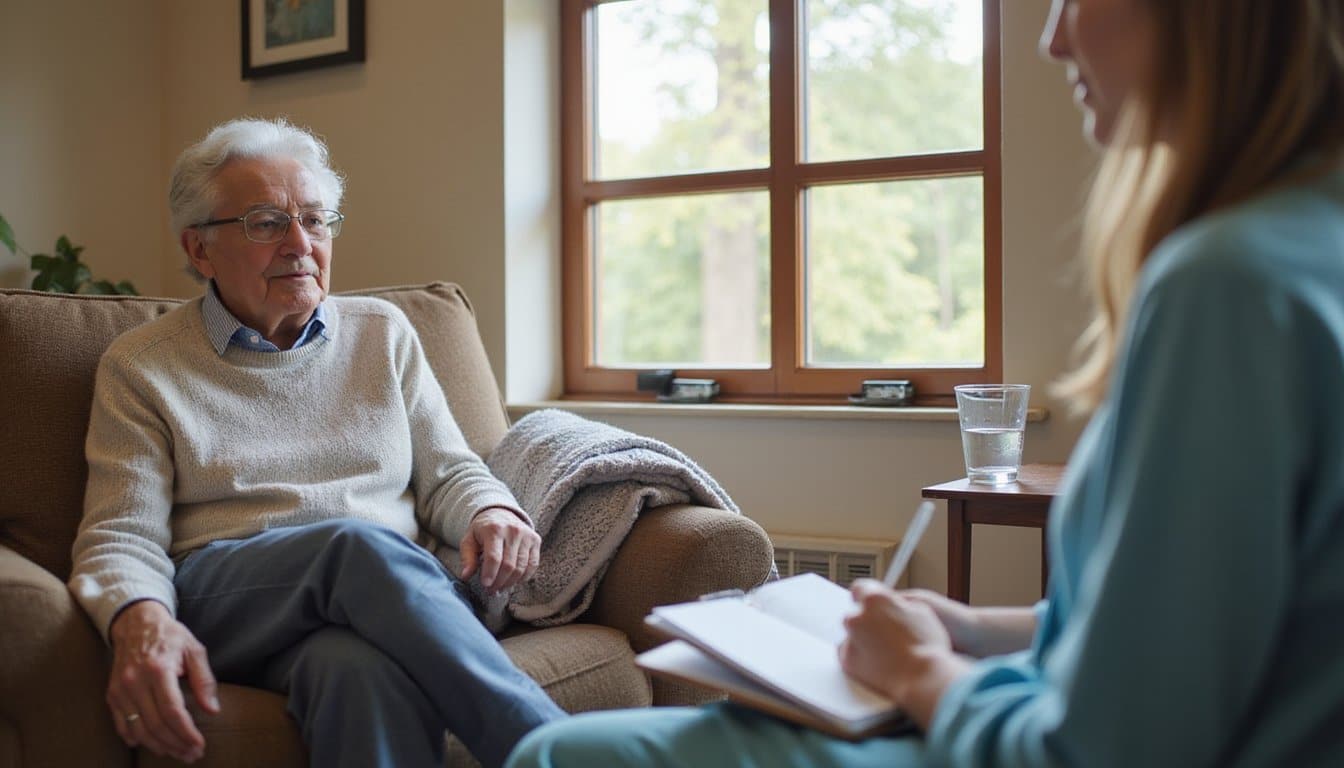
While implementing trauma-informed care in senior living communities requires an all-encompassing approach, understanding its core principles serves as the foundation for creating healing environments. These principles emphasize physical and psychological safety, ensuring residents feel secure through universal trauma precautions and advance explanations of care procedures. Staff awareness training is essential for recognizing behavioral signs of trauma and providing appropriate support.
You’ll find that trauma awareness shapes every aspect of care planning, from honest communication and transparent policies to collaborative decision-making that empowers residents. The approach prioritizes peer support networks and cultural sensitivity, recognizing how personal histories influence trauma responses. By fostering trustworthy relationships and providing choices in daily activities, you’re creating an environment where residents can heal and thrive. This framework acknowledges that each resident’s trauma experience is unique, requiring individualized support that respects their cultural, historical, and gender-specific needs.
Promoting Resident Dignity and Emotional Safety
Building upon these core principles, the implementation of trauma-informed care must prioritize resident dignity and emotional safety in senior living communities. You’ll find that person-centered approaches focusing on each resident’s unique life history and cultural background are essential for dignity affirmation, especially considering that up to 70% of residents have experienced significant trauma. Creating an environment that emphasizes moral safety and trust helps reduce anxiety, depression, and aggressive behaviors commonly associated with unaddressed trauma. Strong leadership support and comprehensive staff training are critical for successful implementation of trauma-informed care in senior living settings.
Empowering Staff Through Specialized Training

You’ll find that specialized trauma-informed care training equips you with essential skills to recognize and respond appropriately to residents’ trauma symptoms and triggers. Through evidence-based modules and practical exercises, you can develop the expertise needed to create safe, supportive environments that promote healing and recovery. Regular feedback mechanisms help staff share insights and experiences that enhance the quality of care delivery. Your enhanced understanding of trauma’s effects will strengthen trust-based connections with residents, enabling you to provide more personalized and effective care that honors their experiences. The training incorporates valuable insights gained from certified nursing assistants through extensive interviews and focus groups to address real challenges in delivering person-centered care. The comprehensive curriculum includes five core modules that systematically build competency in trauma-informed approaches, from foundational concepts to specific interventions.
Building Trauma Response Skills
Three critical components form the foundation of trauma response skills in senior living communities: awareness, practical intervention techniques, and ongoing professional development.
Through specialized training, you’ll learn to recognize different types of trauma and understand how they manifest uniquely in seniors. Research shows that 70 percent of adults have experienced at least one traumatic event, making trauma-informed care essential for senior populations. Your skill development will focus on de-escalation techniques that help you respond effectively during moments of resident distress. Staff participate in reflective supervision to better process their interactions with traumatized residents. You’ll master non-verbal cue recognition and empathetic communication strategies to prevent triggering traumatic responses.
Regular training sessions emphasize physical and emotional safety for both residents and caregivers in the senior living environment.
Enhancing Resident Trust Connections
When staff members receive thorough trauma-informed care training, they develop essential skills for building trusted connections with residents while creating safer, more supportive environments. Through extensive education, you’ll implement trust building strategies that enhance emotional safety practices and improve resident engagement. The implementation of comprehensive assessment protocols helps caregivers understand each resident’s unique trauma history and needs. Regular staff education emphasizes shared decision-making to give residents more control over their care experience. Studies show that high staff turnover significantly impacts the quality of resident care in geriatric settings.
| Trust Building Element | Impact on Residents |
|---|---|
| Empathetic Communication | Increased openness and engagement |
| Consistent Documentation | Better care plan adherence |
| Cultural Competency | Enhanced feelings of respect |
| Trigger Recognition | Reduced anxiety and distress |
| Clear Communication | Improved treatment participation |
Your trained staff will recognize trauma reactions, identify triggers, and maintain transparent communication protocols. This expertise directly strengthens resident trust, leading to decreased incidents of agitation and improved participation in care activities. Research shows that residents experience fewer psychological symptoms and demonstrate greater willingness to engage in community life when supported by trauma-informed caregivers.
Reducing Behavioral Incidents and Crisis Situations
By learning to recognize early warning signs of distress in residents, you’ll be better equipped to prevent behavioral incidents before they escalate into crises. Given that end-of-life pain often intensifies with accumulated trauma, your mastery of proven de-escalation techniques allows you to respond effectively when residents show signs of agitation or anxiety. Strategic environmental design modifications, such as reducing noise levels and creating calming spaces, work alongside your clinical skills to minimize triggers that could lead to behavioral emergencies.
Early Warning Signs Recognition
Recognizing early warning signs of trauma-related behaviors stands as a critical component in preventing crisis situations within senior living communities. When you’re attuned to behavioral cues and trauma triggers, you’ll better identify residents who need support before situations escalate. Since 70% of older adults experience psychological trauma, understanding these warning signs is especially crucial for providing effective care.
| Warning Sign | What to Watch For | Recommended Response |
|---|---|---|
| Mood Changes | Sudden irritability or withdrawal | Gentle check-ins and validation |
| Care Resistance | Refusing assistance or medications | Adjust approach, offer choices |
| Social Shifts | Isolation from usual activities | Encourage gradual participation |
| Sleep Patterns | Nightmares or insomnia | Monitor and document patterns |
| Physical Signs | Increased agitation or startle response | Create calm environments |
You’ll find that early recognition enables proactive intervention, reducing the likelihood of behavioral incidents while supporting resident dignity. This awareness helps create a more responsive, understanding environment where residents feel safer and better understood.
De-escalation Techniques Matter
Three fundamental aspects of trauma-informed de-escalation can transform crisis management in senior living communities. Focusing on the key question what happened to you helps staff better understand and address resident behaviors. When you implement proven de-escalation strategies, you’ll create safer environments while reducing behavioral incidents and the need for restraints. Clear communication, active listening, and emotional regulation skills empower your staff to effectively manage crisis situations with compassion and professionalism. Continuing education requirements ensure your staff maintains up-to-date knowledge of best practices in de-escalation techniques.
- Your residents feel valued and respected when you honor their voice and choices, building trust that prevents escalation
- You’ll witness fewer incidents of aggression as staff maintain calming presence and non-threatening body language
- Your team’s confidence grows through ongoing practice of trauma-informed techniques
- You’re creating lasting positive change by addressing root causes rather than just symptoms
These evidence-based approaches don’t just manage crises, they prevent them through relationship-building and emotional safety.
Prevention Through Environmental Design
When you thoughtfully design senior living environments with trauma-informed principles, you’ll notably reduce behavioral incidents and create spaces that promote healing. Environmental aesthetics play an essential role through calming color schemes, natural lighting, and clutter-free layouts that minimize sensory triggers and confusion.
Strategic sensory modulation through sound-absorbing materials, gentle textures, and nature integration helps residents maintain emotional equilibrium. You’ll find that incorporating outdoor access, water features, and indoor plants greatly reduces anxiety while promoting recovery. Flexible spaces allow seniors to exercise choice and control, while thoughtfully designed communal areas support safe social connections without overwhelming residents. Security features, such as clear sightlines and controlled entry points, guarantee residents feel protected while maintaining their independence and dignity.
Creating a Supportive Environment for Recovery
To build an effective trauma-informed environment in senior living communities, staff must create spaces that promote both physical and psychological healing. Through supportive interactions and personalized recovery strategies, you’ll help residents feel safe, valued, and empowered in their journey. By implementing transparent communication and fostering trust, you’ll establish an atmosphere where seniors can openly express their needs and concerns.
- Design spaces that minimize triggering stimuli while maximizing comfort and predictability
- Incorporate cultural sensitivity and respect for diverse healing pathways
- Enable meaningful choices in daily routines to restore residents’ sense of control
- Establish peer support networks to nurture understanding and shared experiences
Remember that trauma-informed care isn’t just about physical safety; it’s about creating an environment where residents feel emotionally secure, understood, and supported throughout their recovery process.
Enhancing Quality of Life for Senior Residents

Since quality of life remains paramount in senior care, implementing trauma-informed practices greatly enhances residents’ overall well-being. You’ll notice increased life satisfaction as seniors participate more actively in their care decisions and engage in meaningful activities. The approach builds emotional resilience through culturally sensitive support and personalized attention to individual needs.
| Benefit Area | Impact | Outcome |
|---|---|---|
| Physical Health | Reduced hospitalizations | Better treatment adherence |
| Mental Health | Decreased anxiety/depression | Improved emotional stability |
| Social Engagement | Enhanced participation | Stronger relationships |
| Cultural Support | Respected preferences | Greater comfort levels |
Measuring Cost-Effectiveness and Resource Optimization
Beyond enhancing resident well-being, trauma-informed care demonstrates compelling financial advantages for senior living communities. You’ll find significant cost savings through reduced emergency interventions, lower staff turnover, and decreased medication usage. Smart resource allocation in trauma-informed environments leads to more efficient healthcare delivery and prevention of costly behavioral crises.
- Witness reduced resident falls and emergency interventions, saving thousands in acute care costs
- Experience improved staff retention, cutting expensive recruitment and training cycles
- See decreased use of psychotropic medications and restraints, lowering pharmaceutical expenses
- Benefit from streamlined service delivery, eliminating redundant interventions
Building Trust and Meaningful Connections
Building meaningful connections through trauma-informed care requires a deep understanding of how trust develops in senior living environments. You’ll find that implementing trust-building strategies creates a foundation for deeper resident-staff relationships and enhanced community bonds.
| Trust Building Elements | Connection Enhancement | Positive Outcomes |
|---|---|---|
| Consistent Routines | Validation of Experiences | Reduced Isolation |
| Clear Communication | Shared Understanding | Improved Engagement |
| Empathetic Responses | Peer Support Groups | Greater Well-being |
| Personal Choice | Community Activities | Enhanced Safety |
When you prioritize trauma-informed approaches, you’ll notice residents become more willing to participate in care planning and community life. Staff members develop stronger empathy and understanding, leading to more meaningful interactions. Through these connection enhancement techniques, you’re creating an environment where residents feel safe to share experiences and build lasting relationships with both caregivers and peers.
Transforming Organizational Culture and Practices
When organizations embrace trauma-informed care principles, the transformation of culture and practices becomes a cornerstone for sustainable change in senior living communities. Through organizational alignment and leadership engagement, you’ll create environments that actively prevent re-traumatization while promoting healing and growth. Your commitment to ongoing staff training and development strengthens competency in trauma-informed approaches, leading to improved resident care and better health outcomes.
- Your leadership team’s modeling of trauma-informed principles directly impacts staff engagement and consistency in care delivery
- You’ll witness increased trust and collaboration across all organizational levels
- Your staff will experience reduced burnout and compassion fatigue through enhanced support systems
- You’ll create safer, more responsive environments that honor residents’ autonomy and choices
This cultural transformation guarantees sustainable, positive changes that benefit both staff well-being and resident care quality.
Strengthening Community Well-being and Support Systems
When you establish robust support networks in senior living communities, you’re creating essential foundations for trauma-informed healing and growth. You’ll find that meaningful social connections emerge naturally as residents participate in shared activities and peer support programs designed with trauma awareness in mind. By developing safe communal spaces that honor both individual and collective needs, you’re enabling residents to build trust, share experiences, and strengthen their sense of belonging within the community.
Building Resilient Support Networks
As trauma-informed care expands across senior living communities, creating resilient support networks becomes crucial for sustaining long-term healing and recovery. You’ll find that implementing resilience strategies helps build stronger connections between residents, staff, and family caregivers, fostering an environment of collective healing and understanding.
- When you engage family members in trauma-informed care, you’re creating a critical support system that helps prevent secondary trauma
- By establishing trauma champions on your care teams, you’ll strengthen organizational capacity and guarantee consistent support
- Through staff training and technical assistance programs, you’ll develop more confident and skilled caregivers
- When you integrate community-based services, you’ll create sustainable support networks that enhance overall well-being
These interconnected support systems help guarantee that trauma-informed approaches remain effective and sustainable within your senior living community.
Fostering Meaningful Social Connections
Why do meaningful social connections matter so profoundly in trauma-informed senior care? With 50-90% of older adults experiencing trauma in their lifetime, social interactions become crucial protective factors against isolation and emotional distress.
You’ll find that trauma-informed care creates safer spaces for residents to build emotional connections through trust-based relationships. By training staff to recognize trauma impacts, you’re enabling more empathetic and appropriate responses to residents’ needs. This approach helps normalize emotional reactions while reducing stigma, making it easier for seniors to engage in community activities.
When you implement trauma-informed principles in social settings, you’re supporting residents’ mental and physical well-being. Regular social opportunities, designed with emotional safety in mind, help counteract loneliness while strengthening the protective networks that reduce risks of elder abuse and neglect.
Creating Safe Shared Spaces
Safe shared spaces serve as the cornerstone of trauma-informed senior care, where physical and psychological safety intertwine to create environments that promote healing and resilience. Through inclusive design and thoughtful modifications, you’ll create safe communal experiences that honor residents’ diverse trauma backgrounds while supporting their recovery journey.
- Provide quiet rooms and sensory-friendly areas where residents can regulate their emotions and feel secure in moments of distress
- Implement clear communication systems and predictable routines that help residents navigate shared spaces with confidence
- Design flexible environments that accommodate individual triggers and coping strategies while fostering social connection
- Create culturally competent spaces that recognize and respect diverse trauma experiences, ensuring everyone feels welcome and understood
Your commitment to trauma-informed environmental adaptations will strengthen community bonds while protecting residents’ dignity and autonomy.
Frequently Asked Questions
How Long Does It Typically Take to Implement Trauma-Informed Care Effectively?
You’ll need to plan for a multi-year implementation timeline to establish effective trauma-informed care. The initial phase typically takes 3-6 months for basic training and team formation. You’ll then spend 1-2 years integrating practices into daily operations. For ideal care effectiveness, expect the complete transformation to take 2-4 years, depending on your organization’s size, resources, and existing culture. Continuous evaluation and refinement will guarantee sustained success.
What Specific Trauma Screening Tools Are Recommended for Senior Living Communities?
You’ll want to prioritize several validated trauma assessments for your senior residents. The Life Events Checklist (LEC-5) and Brief Trauma Questionnaire (BTQ) are particularly effective screening questionnaires for older adults. Consider using the PTSD Checklist (PCL-5) to monitor ongoing symptoms, and implement the Geriatric Trauma Screening Tool (GTST) for risk stratification. The VCU Trauma-Informed Care Toolkit also provides extensive screening resources specifically designed for senior living communities.
How Can Families Support Trauma-Informed Care Practices at Home During Visits?
You can strengthen family engagement by creating a supportive environment during home visits. Maintain consistent routines, give your loved one choices in activities, and respect their boundaries. Listen actively without judgment when they share memories or concerns. Keep your space calm and predictable, avoiding sudden changes or loud noises. Work closely with senior living staff to align your approach with their trauma-informed practices, ensuring continuity of care.
What Percentage of Seniors Typically Have Undiagnosed Trauma Requiring Specialized Care?
While exact percentages of undetected trauma in senior populations are challenging to pinpoint, research suggests that up to 30% of older adults in care settings may have significant trauma histories requiring specialized support. You’ll find that most of these cases go unrecognized, as seniors often don’t disclose their experiences. Given that 70-90% of adults have experienced trauma, you should assume that a substantial portion of elderly individuals would benefit from trauma-informed interventions.
How Often Should Trauma-Informed Care Training Be Updated for Staff Members?
You’ll want to update your trauma-informed care training annually or biannually, depending on your state’s requirements and organizational policies. Regular refresher courses guarantee staff engagement remains high and competencies stay current. It’s best to schedule brief, focused sessions throughout the year rather than relying on one extensive training. Don’t forget to include both clinical and non-clinical staff members, as this all-encompassing approach maintains consistency in trauma-informed care delivery across your facility.