





Your loved one will receive thorough pain management in hospice care through individualized treatment plans tailored to their specific needs. You’ll have access to a coordinated team of healthcare professionals who provide medication-based relief, alternative therapies like meditation and aromatherapy, and round-the-clock support. Regular pain assessments guarantee your family member stays comfortable, with 91% of patients receiving effective pain medication. Understanding the full scope of hospice pain management can help you make informed decisions for your loved one’s care.
The Role of Pain Assessment in Hospice Care
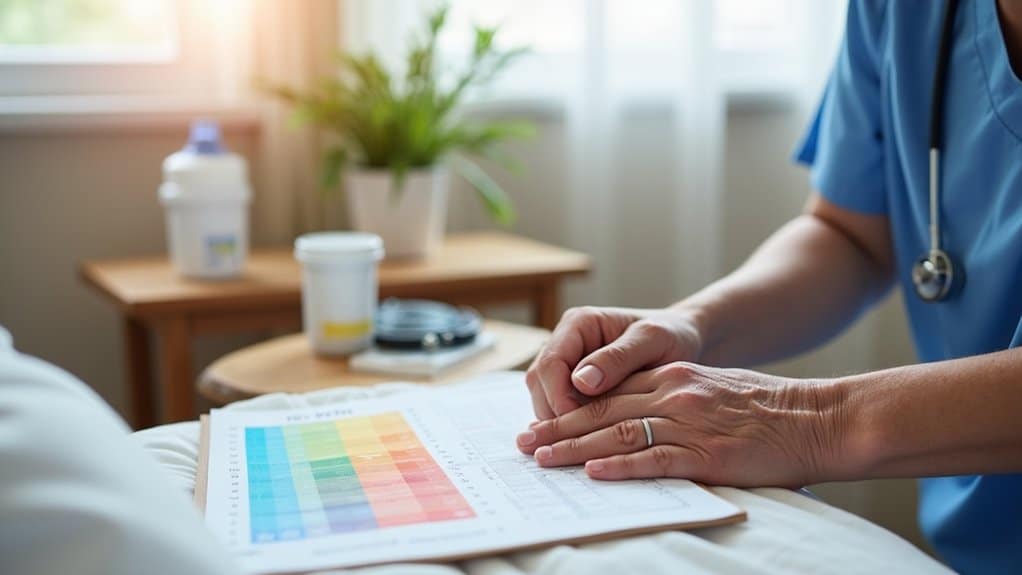
While managing pain effectively remains a cornerstone of quality hospice care, thorough pain assessment serves as the foundation for all therapeutic interventions. You’ll find that hospice teams employ multidimensional assessment tools to evaluate not just pain intensity, but also its impact on your loved one’s daily functioning, sleep, and emotional well-being. Research shows that patients may experience somatic, visceral, and neuropathic pain, requiring distinct assessment approaches for each type. Pain assessment tools enhance communication between healthcare providers and families, leading to more effective treatment plans. For patients who can communicate, tools like the Brief Pain Inventory track pain levels using simple numeric scales. When verbal communication isn’t possible, trained staff rely on observational methods, watching for facial expressions, body movements, and other non-verbal cues that might indicate discomfort. Recent data shows that ninety-seven percent of hospice patients receive pain assessments at admission. Regular reassessment guarantees that pain management strategies can be adjusted quickly as needs change, while specialized tools help monitor patients with cognitive impairments or advanced conditions to prevent undertreated pain.
Medication-Based Approaches to Pain Relief
Building on a thorough pain assessment, effective medication management forms the backbone of hospice pain control. The WHO pain ladder guides hospice teams in selecting appropriate medications. Since hospice care is exempt from standard CDC opioid guidelines due to its end-of-life focus, teams have greater flexibility in medication selection. You’ll find that hospice teams follow established opioid guidelines while also considering non-opioid alternatives to create a holistic approach. Your care team will carefully select and adjust medications based on your specific needs and response to treatment. Proper medication dosing allows for pain relief in 90% of patients when guidelines are followed correctly.
| Medication Type | Key Considerations |
|---|---|
| Opioids | Gold standard for moderate-severe pain; requires monitoring |
| Non-opioids | Acetaminophen/NSAIDs for mild-moderate pain |
| Antiepileptics | Helpful for neuropathic pain management |
| Antidepressants | May assist with chronic/refractory pain |
| Adjuvant Drugs | Added at any stage to enhance pain control |
Your hospice team will progress through treatment steps systematically, starting with milder options and adjusting as needed. They’ll continuously monitor your response and make necessary modifications to guarantee peak comfort while managing potential side effects.
Beyond Medicine: Alternative Pain Management Methods

Although medications play a central role in pain control, alternative therapies can greatly enhance your comfort during hospice care. Acupuncture benefits include reduced pain and improved well-being, while aromatherapy effectiveness has been shown through both massage and diffusion methods to decrease anxiety and discomfort. You’ll find meditation techniques particularly helpful in managing pain perception and emotional distress, especially when combined with deep breathing and guided imagery. Studies show that patients experience significant symptom improvements when using complementary therapies alongside traditional medical care. Environmental adjustments like comfortable bedding can dramatically improve patient comfort levels. Music therapy has proven particularly effective in creating a calming environment and reducing psychological distress. Your hospice team can integrate these approaches with physical interventions like gentle stretching, positioning techniques, and thermal therapies. Given that palliative care prioritizes quality of life, these alternative approaches offer valuable options for comprehensive symptom management. Remember, these complementary methods work best when tailored to your specific needs and approved by your healthcare provider.
Team-Based Care for Comprehensive Pain Control
Effective pain management in hospice requires a coordinated team of healthcare professionals working together for your comfort and well-being. Through team collaboration, each specialist plays a crucial role in monitoring and addressing your pain needs.
The interdisciplinary approach guarantees thorough care: physicians oversee your treatment plan and prescribe medications, nurses conduct regular pain assessments, and hospice aides help with daily comfort measures. Social workers and chaplains address emotional and spiritual aspects that can affect pain perception. Therapists provide complementary services like massage, music, and pet therapy to enhance overall comfort.
Your care team will develop a personalized plan using proven assessment tools and regular check-ins to track your comfort levels. With 24/7 support available, you can reach out anytime to discuss concerns or request adjustments to your pain management plan. They’ll work closely with your family, providing education about pain management and medication administration. This unified approach helps guarantee you receive peak pain control while supporting both your physical and emotional needs.
Addressing Challenges in Pain Management Access
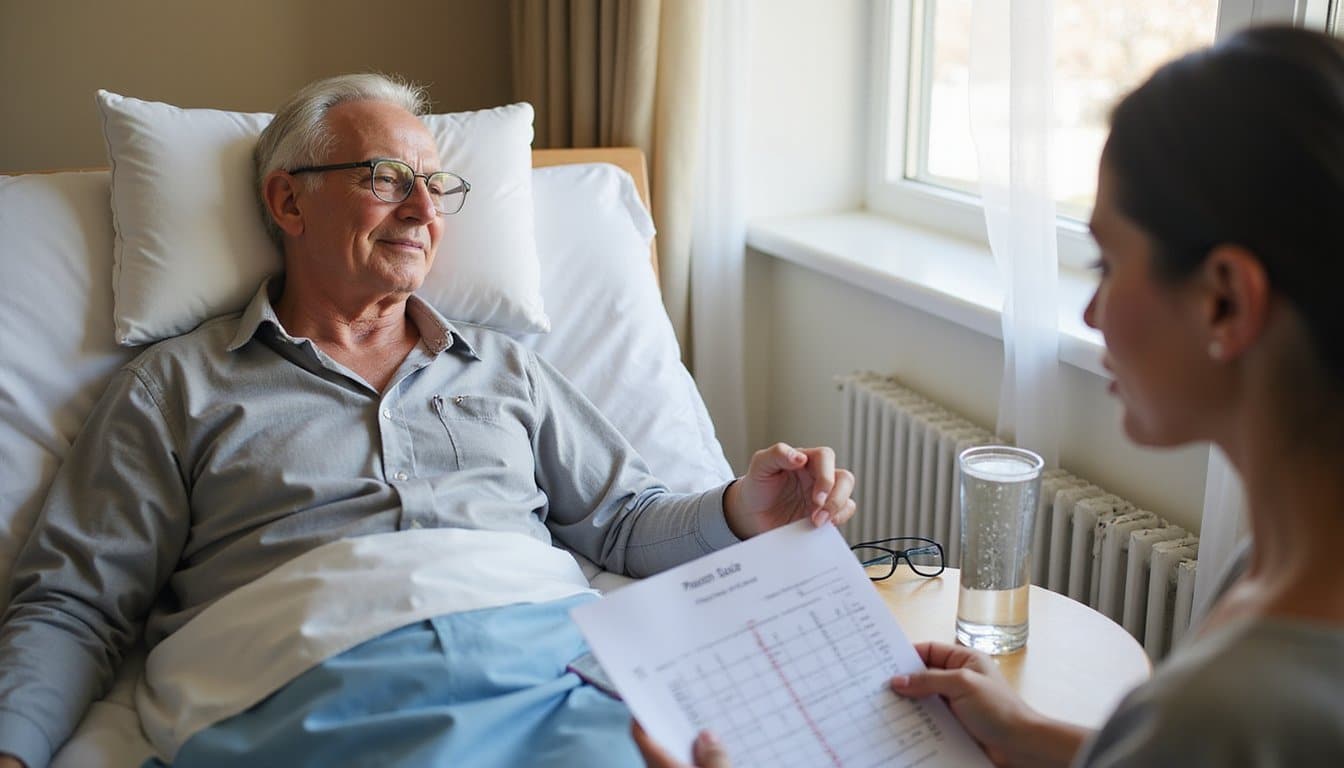
Despite significant advances in pain management techniques, several key challenges can affect your access to ideal pain control during hospice care. Limited caregiver education often leads to inadequate pain assessment and medication management, while prescription barriers can delay access to essential pain relief. Ongoing assessment using pain rating scales helps caregivers better understand and respond to patient discomfort levels.
You’ll find that geographic location, insurance restrictions, and pharmacy regulations may impact how quickly you can obtain needed medications. Rural areas face particular challenges in accessing timely medication refills. Additionally, caregiver hesitation about using opioids and concerns about medication side effects can interfere with optimal pain control. An estimated 1.6 million Americans receive hospice services annually, with most care delivered at home. Studies show that 91% of patients receive pain medication when enrolled in hospice care programs.
Healthcare providers are working to address these obstacles through enhanced caregiver education, streamlined prescription processes, and improved communication systems. Understanding these challenges helps your hospice team develop strategies to guarantee you receive consistent, effective pain management throughout your care journey.
Frequently Asked Questions
How Long Does It Typically Take for Pain Medications to Work?
You’ll experience pain relief at different times depending on your medication type and how it’s given. Oral medications typically work within 30-60 minutes, while IV or subcutaneous options can start working in 10-30 minutes. Long-acting medications take longer, reaching full effect in 20-72 hours. Your medication timing will be carefully monitored and adjusted to guarantee you’re comfortable, with breakthrough pain medications available when needed.
Can Family Members Assist With Pain Management Techniques at Home?
Yes, you can provide valuable family support in managing your loved one’s pain at home. Through hospice training, you’ll learn to safely administer medications, recognize pain symptoms, and implement home techniques like massage, positioning, and relaxation exercises. You’ll also track pain levels, monitor medication effectiveness, and maintain detailed logs. Remember, you’re not alone; the hospice team is always available to guide you through pain management challenges.
What Happens if the Initial Pain Management Plan Isn’t Effective?
If your initial pain management plan isn’t working, your hospice team will conduct detailed patient assessments to evaluate the effectiveness of current medications. They’ll adjust dosages, add breakthrough pain medications, or explore alternative therapies like nerve blocks or epidural treatments. Don’t worry, they’ll work closely with you to try different approaches, including non-drug options like relaxation techniques. If needed, they’ll bring in pain specialists for more advanced interventions.
Are There Specific Pain Treatments for Different Types of Terminal Illnesses?
Yes, you’ll find that pain treatment options vary greatly based on your specific condition. For cancer, you’ll typically receive opioid-based therapies, while neurological conditions like ALS often respond better to gabapentinoids. If you’re dealing with cardiac or pulmonary illness, your team will likely combine low-dose opioids with breathing treatments. These illness-specific therapies guarantee you get the most effective relief while considering your condition’s unique challenges and symptoms.
How Do Hospice Providers Handle Breakthrough Pain During Overnight Hours?
Your hospice team provides 24/7 support for breakthrough pain through established medication protocols and on-call nurses. They’ll conduct pain assessments over the phone and authorize emergency medications from your pre-supplied home kit. You’ll typically receive short-acting opioids calculated at 10-20% of your daily dose. If you’re experiencing frequent overnight episodes, they’ll adjust your scheduled medications for better control and follow up to guarantee your comfort.