



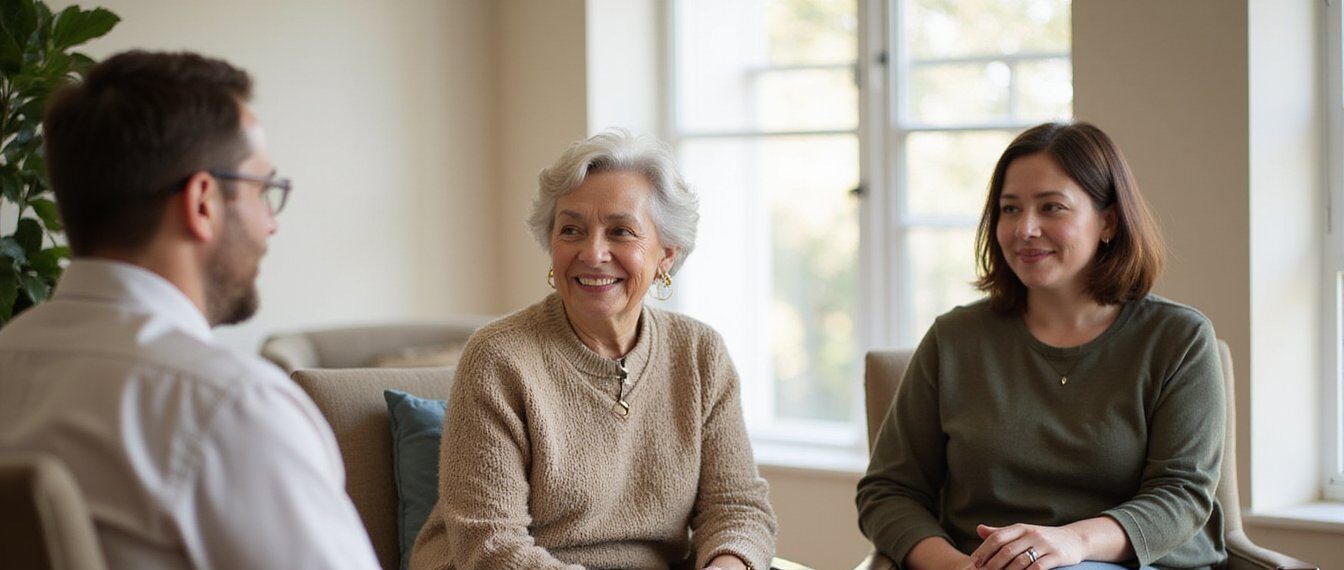

Family home care groups help your aging loved ones stay independent while providing essential daily support. You’ll find trained caregivers who assist with personal care, meal preparation, medication management, and mobility needs, typically offering 24 hours of weekly care. They’ll monitor health conditions, provide companionship, and coordinate with healthcare teams to improve outcomes. As care needs evolve, these dedicated professionals adapt their services to guarantee your family member receives thorough, personalized attention every step of the way.
The Growing Need for Family Caregiving in America
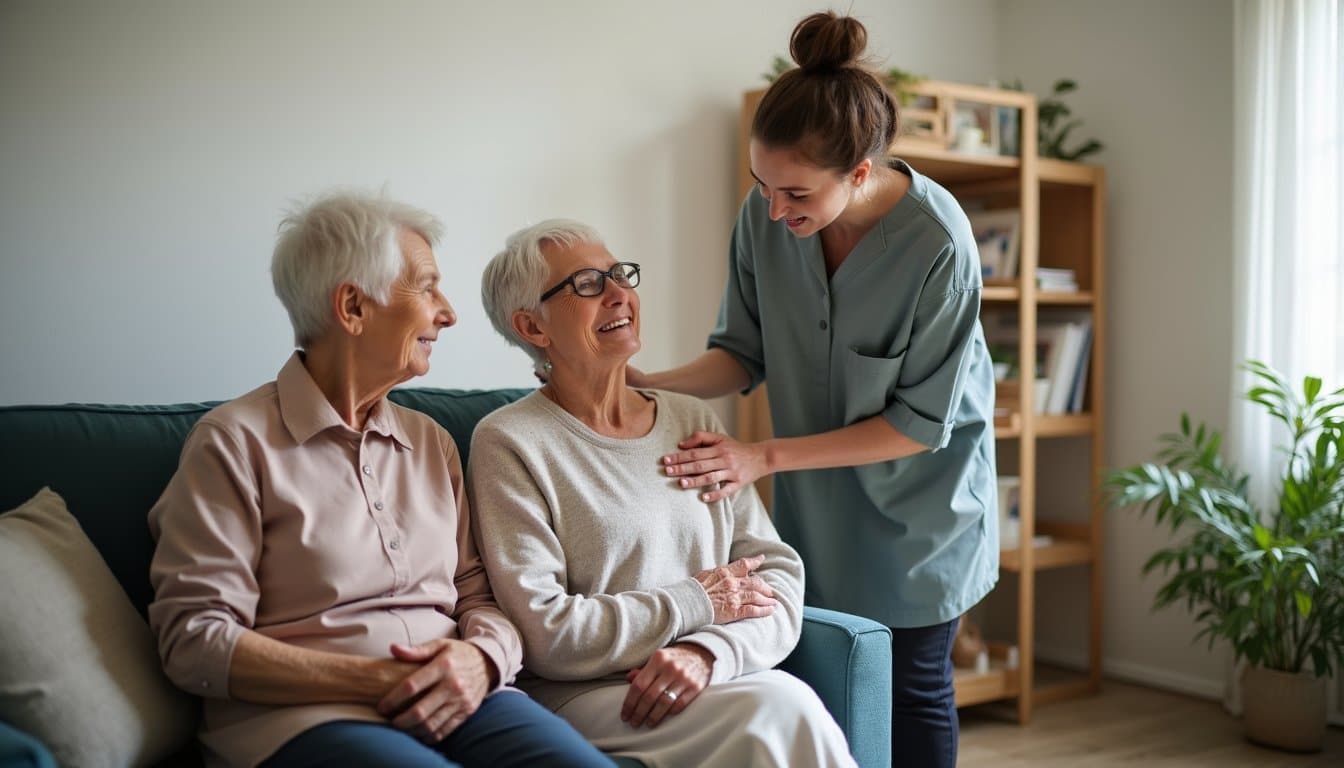
The dramatic surge in family caregiving across America reflects a profound shift in how we support our maturing population. You’ll find that nearly one in four adults, a staggering 63 million Americans now provide care for loved ones, marking a 45% increase since 2015.
These demographic shifts are reshaping households nationwide, with caregivers facing mounting pressures. The typical caregiver today is a 51-year-old individual managing complex healthcare needs. Nearly 1 in 3 caregivers have been providing ongoing care for more than five years. As Baby Boomers advance and the 85+ population is set to triple by 2050, you’re seeing more families shouldering extended care responsibilities. The high emotional stress impacts 64% of caregivers as they navigate their daily responsibilities. The financial strain is particularly evident, as half of all caregivers experience work disruptions while balancing employment with care duties. This burden falls especially hard on rural, minority, and sandwich generation caregivers, who often support both maturing parents and children under 18.
Essential Daily Care Services and Support Options
Essential daily care services form the cornerstone of effective senior home support, encompassing both basic needs and quality-of-life considerations. Through customized care plans, you’ll find comprehensive assistance ranging from personal care to household management. Professional caregiver expertise guarantees your loved one receives proper support for daily activities like bathing, dressing, and medication management. Our experienced caregivers provide non-medical emotional support as an essential component of overall wellness. Regular visits from friendly visitor services can provide additional companionship and social interaction. Our dedicated team provides 24/7 phone support to address any concerns that arise.
| Service Type | Key Components |
|---|---|
| Daily Care | Personal hygiene, mobility assistance, meal prep |
| Health Support | Medication reminders, crucial signs monitoring |
| Social Care | Companionship, community engagement |
You’ll gain peace of mind knowing your family member has access to both essential physical care and emotional support. Services adapt to changing needs, while caregivers maintain consistent communication with healthcare providers and family members to ensure optimal care delivery and safety.
Making a Difference: Impact on Senior Health and Well-being
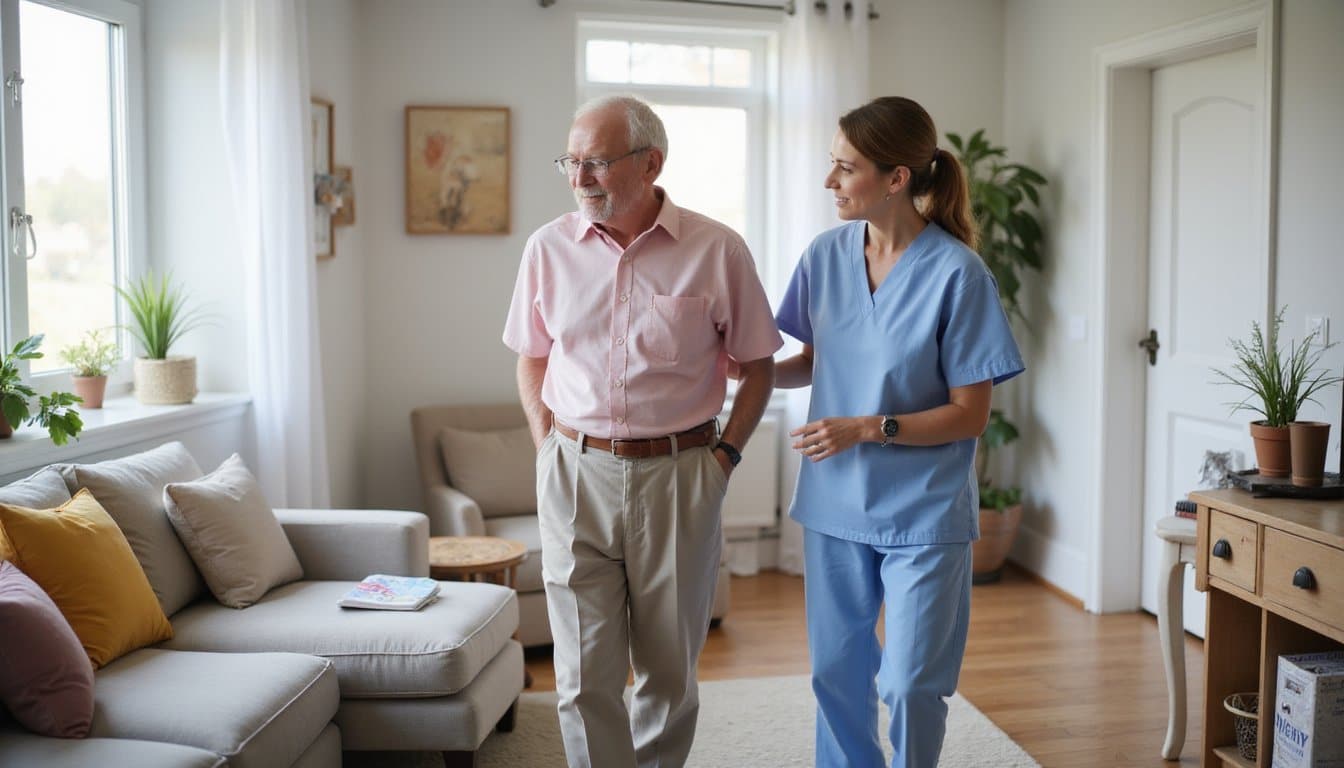
When you support your aging loved one through home care, you’re creating a powerful shield against health complications while fostering their independence and dignity. Your consistent presence and assistance with daily tasks directly contribute to reduced hospital visits, better medication adherence, and decreased fall risks. You’ll witness not merely improved physical outcomes but also strengthened emotional bonds as regular interaction helps combat isolation and maintains pivotal family connections. This crucial support network has grown significantly, with 24.1 million caregivers now providing essential care to older adults across the nation. The impact of this care is substantial, with caregivers providing an average of 24.4 hours per week helping their loved ones maintain quality of life at home.
Health Outcomes Improve Daily
Home care services consistently deliver remarkable improvements in seniors’ health outcomes, transforming daily living experiences through thorough support and personalized attention. You’ll find that seniors receiving home care show 20% better symptom management and physical functioning within six months, while experiencing reduced rehospitalizations at rates 20% lower than traditional hospital care.
The benefits extend beyond physical health. You can expect to see a 25% decrease in anxiety and depression scores among your loved ones receiving home care. Thanks to digital health platforms, care coordination and service delivery have become more streamlined and effective than ever before. Research shows that mental distress increased among both caregivers and non-caregivers over recent years. What’s more, their ability to maintain personal hygiene and medication schedules improves greatly with regular in-home support. When you choose home care, you’re investing in a solution that’s proven to boost both independence and improved mental health, while cutting the need for doctor visits by 25% annually. Family members who participate in home care training demonstrate significantly improved abilities to provide comprehensive care for their elderly loved ones.
Stronger Family Connections Form
Beyond physical care support, strong family bonds create a profound impact on seniors’ emotional and mental well-being. When you engage in family collaboration through home care, you’ll strengthen intergenerational bonds that protect your loved one from isolation and loneliness, two significant risk factors in senior decline. Studies demonstrate that quality of ties matters more than the quantity when it comes to family relationships and senior well-being. Research shows that family involvement leads to lower mortality rates among seniors receiving regular visits.
Research shows that seniors with quality family connections experience lower depression rates, better cognitive health, and higher life satisfaction scores. The importance of family involvement has become especially apparent after visitor restrictions during COVID-19 highlighted critical gaps in senior care. You’re not just providing care; you’re helping maintain your loved one’s sense of identity and personal history. Through regular family participation, you’ll contribute to the 30 billion hours of annual care that keeps seniors connected to their communities. This engagement helps them adapt better to new environments while fostering emotional resilience and dignity in their daily lives.
Who Are Today’s Family Caregivers?
As the aging population grows, family caregivers have become an increasingly essential part of America’s healthcare system, with nearly 63 million adults now providing care to loved ones. Today’s caregiver demographics paint a picture of diverse individuals managing complex responsibilities while balancing their own lives. You’ll find that the typical caregiver is 51 years old, with women making up about 60% of these dedicated individuals. Caregivers face additional challenges in rural areas, where 20% reside with limited access to formal support services.
The caregiver challenges faced by these everyday heroes include:
- Managing an average of 17-27 hours of care weekly while 70% maintain employment
- Handling medical tasks and daily living assistance for recipients who often have multiple chronic conditions
- Dealing with significant financial strain, with average out-of-pocket costs reaching $7,200 annually
The role has become increasingly demanding, with many caregivers supporting multiple recipients or juggling both childcare and elder care responsibilities.
Understanding Available Resources and Funding

The complex terrain of home care funding offers multiple pathways for families seeking financial assistance and support. Medicaid leads the way, covering two-thirds of U.S. home care spending and supporting 4.5 million users. You’ll find public program availability through resources like the National Family Caregiver Support Program, which provides counseling, training, and respite care services.
Payment model flexibility has expanded, allowing you to receive compensation through Medicaid, VA programs, or private insurance when caring for loved ones. You can even establish personal caregiving agreements. While out-of-pocket costs remain significant, with median monthly paid care at 90 hours, you’ll find diverse funding streams to help manage expenses. Remember, these programs have helped 74% of caregivers provide care longer, while preventing costly institutionalization.
Meeting Tomorrow’s Home Care Challenges
Four major challenges confront today’s home care terrain: surging demand from an aging population, persistent workforce shortages, increasing care complexity, and inadequate policy support. You’ll need to prepare for these evolving challenges as you support your aging loved ones.
Family caregiving organizations recommend focusing on these critical areas:
- Invest in caregiver training programs to handle complex medical tasks and emotional demands
- Connect with support networks to share resources and prevent burnout
- Investigate financial planning options to manage rising out-of-pocket costs
As care needs intensify and the aging population triples by 2050, you’ll face increasing pressure to balance work, family, and caregiving responsibilities. Stay informed about emerging policies and workplace accommodations that could provide relief, while advocating for stronger systemic support through established caregiving networks.
Frequently Asked Questions
How Do I Handle Medical Emergencies When Providing Care at Home?
Stay calm and follow your emergency plan. If you notice serious symptoms, call 911 immediately. Monitor medication dosages carefully and keep a current list readily available for EMTs. You’ll need to communicate with healthcare providers about any changes in condition or new symptoms. Keep emergency contacts, medical documents, and a “Go Bag” easily accessible. Remember to practice emergency procedures regularly so you’re prepared when urgent situations arise.
What Qualifications Do I Need to Become a Certified Family Caregiver?
To become a certified family caregiver, you’ll need to meet several key requirements. Begin by completing a state-approved caregiver certification program, which typically includes 75+ hours of training. You’ll need to be at least 18, pass a background check, and complete health screenings. Don’t forget ongoing training requirements of about 12 hours annually. Essential certifications include CPR and First Aid. You’ll also need work authorization and registration with your state’s relevant departments.
Can Family Caregivers Receive Payment for Providing Care to Relatives?
Yes, you can receive payment for caring for relatives through diverse government assistance programs. Medicaid HCBS waivers in over 40 states offer compensation ranging from $13-18 per hour, while structured programs may provide $40-50 daily. You’ll need to check your state’s specific eligibility requirements and programs, like California’s IHSS or New Jersey’s PPP. Don’t forget to investigate tax deduction eligibility for caregiving expenses when filing your returns.
How Do I Balance My Full-Time Job With Caregiving Responsibilities?
To balance your job and caregiving, start by setting boundaries at work, communicate your situation to your employer and investigate flexible arrangements like remote work or adjusted hours. Manage stress by creating a detailed care schedule and delegating tasks when possible. You’ll want to prioritize self-care and consider joining a caregiver support group. Don’t hesitate to examine respite care services or part-time professional help to prevent burnout while maintaining your career.
What Specialized Equipment Should I Have in My Home for Caregiving?
You’ll need essential mobility aids like a wheelchair, walker, or cane based on your loved one’s needs. Install bathroom grab bars, non-slip mats, and a shower chair for fall prevention. Consider home safety modifications, including improved lighting, widened doorways, and removal of trip hazards. Don’t forget medical monitoring equipment like blood pressure cuffs and emergency response systems. A hospital bed and transfer equipment may also be necessary depending on mobility levels.