



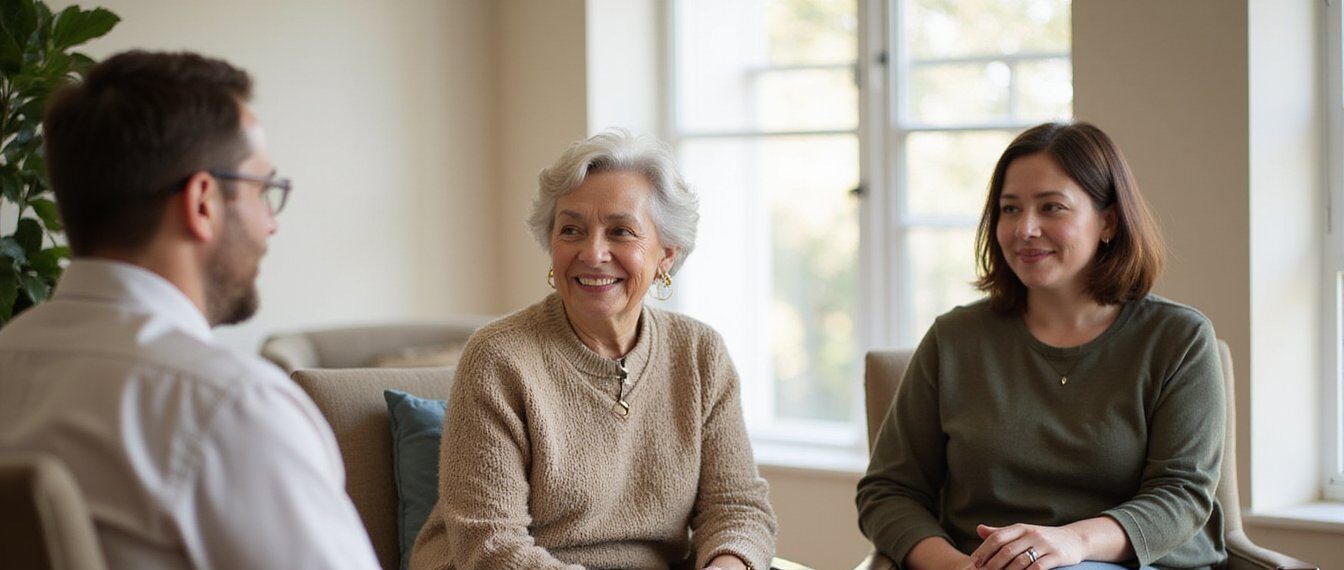

Family education in senior care empowers you with essential knowledge and practical skills to support your aging loved ones effectively. You’ll learn proper caregiving techniques, medication management, and preventive care strategies while gaining confidence in communicating with healthcare professionals. This education helps reduce hospital readmissions, promotes better cognitive outcomes, and prevents caregiver burnout through stress management and time-saving approaches. Understanding these critical aspects of senior care opens up a world of improved outcomes for both you and your loved ones.
Understanding Family Education’s Role in Senior Care

When families take an active role in senior care education, they become powerful advocates and essential partners in their loved ones’ well-being. Through education, you’ll gain the knowledge and confidence to make informed decisions about care options, treatments, and living arrangements that align with your senior’s preferences and values. Studies show that active family participation can significantly reduce hospital readmission rates for seniors receiving care at home.
Family education equips you with indispensable skills for monitoring health status and accessing care resources effectively. Compassionate understanding from relatives helps create personalized care plans that respect individual comfort levels. You’ll learn to communicate better with healthcare professionals, navigate complex medical systems, and respond appropriately to health changes or emergencies. Regular involvement creates better healthcare outcomes through proactive monitoring and preventive care. This knowledge empowers you to participate actively in care discussions and planning, creating a collaborative approach that benefits everyone involved. When you’re educated about senior care, you can better support your loved one while ensuring their wishes remain at the forefront of all care decisions.
Essential Benefits for Aging Adults and Their Well-being
Family education creates profound ripple effects that directly bolster the quality of life for aging adults. You’ll find that educated family members play a pivotal role in enhancing cognitive resilience through increased social engagement and mental stimulation. They’re also instrumental in promoting wellness behaviors, from improved medication management to healthier dietary choices. Research shows that participation in shared activities between generations can significantly boost physical mobility and memory function in seniors.
When your family achieves higher education levels, you gain access to stronger financial resources and better healthcare opportunities. Your educated family members can effectively advocate for your needs, navigate complex healthcare systems, and guarantee you receive appropriate care. Studies show that informal caregiving support is especially crucial in developing nations where social security resources may be limited. Research indicates that adults with advanced degrees are more likely to prioritize family-based eldercare solutions. They’ll help you maintain active social connections through community programs and intergenerational activities, reducing isolation risks. This thorough support network strengthens your overall well-being while addressing potential gaps in senior care services.
Supporting Family Caregivers Through Education and Training

How can extensive education and training transform family caregivers into confident, skilled providers? Through professional guidance and hands-on learning, you’ll develop essential caregiving abilities while building the confidence to manage complex care tasks. Trained caregiver mentors can help you master everything from medication management to wound care through demonstration and practice. With 55% of caregivers now handling medical and nursing tasks, proper training is more crucial than ever. Clinicians view this type of instruction as vital for creating a safer home environment. Studies show that family caregivers who receive proper training help their elderly loved ones achieve better cognitive outcomes compared to professional caregivers.
Professional guidance and hands-on training empower family caregivers to master complex care tasks with confidence and competence.
- Learn through multiple methods including in-home instruction, peer support groups, and online courses
- Practice skills with healthcare professionals who’ll provide immediate feedback
- Receive ongoing assessment and personalized training adjustments as your loved one’s needs change
- Access scalable training accessibility options that fit your schedule, including remote learning for rural families
You’re not alone in this expedition; structured education programs consistently show improved outcomes for both caregivers and their elderly loved ones.
Reducing Care Burden While Improving Quality
When you’re spending 25+ hours weekly on caregiving duties, it is crucial to learn efficient care techniques that help you work smarter, rather than harder. You’ll find that proper training in senior care fundamentals can drastically reduce your time investment while actually improving the quality of care you provide. With an increasing number of people caring for multiple recipients, the importance of education becomes even more vital. Recent data shows that family caregiver numbers grew by 32% between 2011 and 2022. By mastering key caregiving skills and learning to share responsibilities effectively, you are also safeguarding yourself from burnout and guaranteeing better outcomes for your loved one. With 53 million Americans providing unpaid care for aging relatives, spouses, or neighbors, the need for family education in senior care has never been more critical.
Training Prevents Family Burnout
Although caregiving can feel overwhelming, targeted training programs offer indispensable relief from the mounting pressures faced by family caregivers. By strengthening family dynamics through education, you’ll gain crucial tools for maintaining caregiver wellbeing while providing better care for your loved one. With women caregivers comprising 59% of all family care providers, educational support is especially vital for addressing gender-specific challenges and stressors. Only 1 in 4 caregivers report being in good physical health, making self-care education a critical priority.
- You’ll learn stress management techniques to combat the 40% increase in caregiver-related stress and improve your mental health, which currently affects 77% of caregivers
- You’ll find time-saving strategies to better balance the average 26 weekly care hours with work and personal life
- You’ll access financial planning resources to manage the typical $7,200 annual out-of-pocket expenses
- You’ll connect with support networks to overcome isolation, as 47% of caregivers currently receive no formal support
Professional training helps prevent burnout while ensuring sustainable, quality care for your aging family member.
Sharing Skills Lightens Load
Three key advantages emerge when family members share caregiving skills: reduced individual burden, improved care quality, and stronger family bonds.
When you cross-train family members in basic care tasks like medication management and mobility support, you’ll distribute responsibilities more evenly. This approach dramatically reduces individual time commitments, often dropping from 25 hours per week, while ensuring consistent care coverage. For caregiver wellness, sharing duties means fewer instances of sleep disruption and emotional stress, which affects up to 59% of primary caregivers.
You’ll also find that coordinated care leads to fewer missed medical appointments and better adherence to therapy plans. By incorporating respite considerations through skill-sharing, family members can cover for each other, preventing burnout while maintaining quality care for your aging loved one.
Building Strong Family Involvement in Care Planning

When you’re ready to strengthen your family’s involvement in senior care planning, start by establishing regular care meetings where everyone can contribute to decision-making and voice their concerns openly. You’ll find that sharing caregiving duties becomes more manageable when you create detailed schedules and divide responsibilities based on each family member’s availability and capabilities. Working together to develop clear, written care plans helps guarantee everyone understands their role while keeping your loved one’s preferences and needs at the center of all healthcare decisions. The importance of consistent family participation has become especially evident after COVID-19 visitor restrictions highlighted the critical role families play in supporting hospitalized older adults.
Collaborative Decision-Making Strategies
Successful family involvement in senior care planning relies heavily on implementing effective collaborative decision-making strategies. By promoting collaborative assessment and fostering mutually respectful dialogue, you’ll create an environment where all stakeholders can contribute meaningfully to your loved one’s care plan.
- Establish regular care planning meetings that include healthcare professionals, family members, and your aging loved one to guarantee transparent communication
- Use structured decision-making frameworks and educational resources to help you understand care options and make informed choices
- Work with multi-disciplinary teams that bring diverse professional perspectives to develop thorough care solutions
- Align decisions with your family’s values and preferences while remaining flexible to accommodate changing needs over time
Sharing Caregiving Responsibilities Together
Dividing caregiving responsibilities among family members stands as a cornerstone of sustainable senior care. Through effective duty coordination, you’ll reduce the risk of burnout while guaranteeing comprehensive support for your aging loved one. Start by evaluating each family member’s skills, availability, and work schedules to create a balanced care plan.
Focus on resource allocation that considers gender equity, as women often shoulder a disproportionate share of caregiving duties. You can rotate high-stress tasks, establish clear schedules for meals and medications, and utilize digital tools to keep everyone informed. Don’t forget to include younger family members and trusted friends in your care network. Regular family meetings help you adjust responsibilities, address challenges, and ensure everyone’s emotional well-being remains supported through the caregiving experience.
Creating Clear Care Plans
Building on your shared caregiving system, a well-documented care plan serves as your family’s roadmap for providing consistent, high-quality senior care. Evidence-based documentation guarantees everyone understands their roles and responsibilities while maintaining personalized care planning that reflects your loved one’s preferences and needs.
- Schedule regular family meetings with care teams to establish clear goals and track progress
- Document daily routines, medication schedules, and dietary requirements to standardize care across all caregivers
- Create written partnership agreements that define specific tasks and responsibilities for family members and staff
- Use electronic care records or secure messaging systems to maintain ongoing communication about care updates
Through systematic planning and clear documentation, you’ll foster better communication, reduce misunderstandings, and ensure your loved one receives coordinated, extensive care that aligns with their wishes.
Strengthening Social and Emotional Connections
While caring for aging family members presents unique challenges, strengthening social and emotional connections remains a cornerstone of effective senior care. Through family education programs, you’ll learn essential communication skills that bridge generational gaps and foster inclusive cultural perspectives. Training in active listening and empathy helps you better understand your loved one’s needs while strengthening family bonds.
You’ll uncover practical ways to combat social isolation through digital tools, community resources, and structured activities that keep your aging family member engaged. Support groups and intergenerational programs provide valuable peer connections, while storytelling and memory-sharing activities deepen emotional ties. By understanding the aging process and learning stress management techniques, you’ll be better equipped to provide compassionate care while maintaining your own emotional well-being.
Frequently Asked Questions
How Much Does Family Education in Senior Care Typically Cost?
You’ll find family education costs vary widely, from free community resources to paid professional training ranging from $35-$250 per session. Cost considerations include whether education is bundled with care services or offered separately. Many payment options exist – some nonprofits provide free support groups and seminars, while state agencies often offer subsidized programs. You can also access online resources and materials at little to no cost through local organizations.
What Qualifications Do Family Education Instructors Need to Have?
You’ll want to guarantee your family education instructor has formal certifications like CNA, HHA, or Senior Care Specialist credentials, along with multidisciplinary expertise in gerontology and dementia care. They should sustain ongoing training requirements through accredited programs and hold teaching-specific qualifications. Look for instructors who’ve completed specialized family caregiving certificates and stay current with professional development. Their expertise should cover both practical caregiving skills and educational delivery methods.
Can Family Education Programs Be Accessed Online or Remotely?
Yes, you can easily access numerous family education programs online through both free and paid platforms. You’ll find flexible options including webinars, self-paced modules, and virtual support sessions that fit your schedule. Many programs offer 24/7 access to online resources, video tutorials, and downloadable materials. Whether you prefer extensive courses like Pamela D. Wilson’s 28-hour program or free resources from organizations like the Caregiver Action Network, there’s a remote learning option for you.
How Long Do Most Family Education Training Programs Last?
You’ll find that most family education training programs last between 8-120 hours, with flexible curriculum design to accommodate your schedule. If you’re seeking basic caregiver knowledge, you can complete shorter programs in just a few sessions. For more extensive certification, you’ll need to invest more time. The program duration often depends on your specific needs; memory care training typically takes 3-8 hours, while national certifications require about 120 hours.
Are There Specialized Programs for Families Caring for Dementia Patients?
Yes, you’ll find specialized dementia caregiver programs designed specifically for your family’s needs. These thorough programs teach you about disease progression, communication techniques, and behavioral management strategies. You’ll learn through group sessions, which often include support groups where you can connect with other caregivers facing similar challenges. Programs typically cover respite care options, self-care strategies, and practical skills for daily care, while offering both in-person and virtual attendance options.