

To prevent falls while living independently, you’ll need a multi-layered approach. Start by removing hazards like loose rugs and installing grab bars in bathrooms. Wear non-slip shoes, keep your home well-lit, and use assistive devices when needed. Stay active with balance exercises like tai chi, and consider smart technology solutions such as medical alert systems. Regular strength training can reduce your fall risk by up to 54%. Learn more proven strategies to maintain your independence and safety.
Understanding Fall Risks for Solo Living Seniors
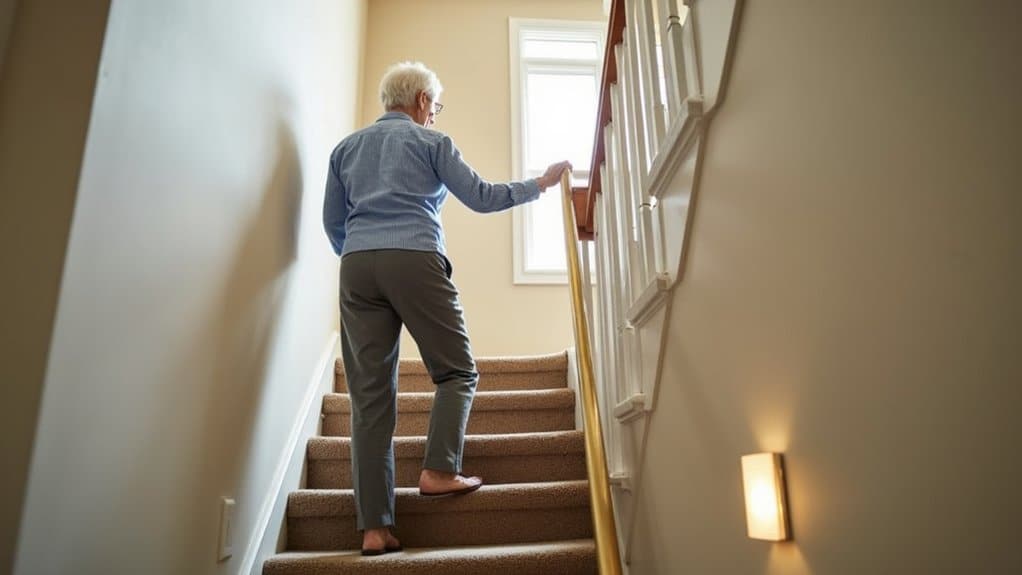
While living independently offers seniors valuable autonomy, it also presents unique challenges when it comes to fall prevention. If you’re among the 28% of older adults living alone, understanding your fall risk factors is paramount for maintaining your safety and independence.
As an older adult living solo, you’re particularly vulnerable when a fall occurs since immediate help isn’t readily available. Your health conditions, medication side effects, and physical limitations can increase your risk of falling. What’s more concerning is that falls remain the leading cause of injury-related deaths among older adults.
The fear of falling can profoundly impact your quality of life, often leading to reduced activity and social isolation. By recognizing these risks, you can take proactive steps to enhance your home safety and maintain your independent lifestyle while minimizing fall hazards.
Essential Home Safety Modifications
Taking control of your home environment is your first line of defense against falls. To remain safe while living independently, you’ll need to focus on essential home safety modifications that prevent falls and keep you alert to potential hazards.
Start by installing grab bars in your bathrooms and handrails on both sides of all staircases. These provide pivotal support during your daily activities. Add non-slip mats in bathrooms and kitchen areas where water might create dangerous conditions. Guarantee your home is well-lit by installing bright, glare-free lighting and motion-activated fixtures.
Creating a safe living environment also means removing obstacles. Clear your pathways of loose rugs and uneven surfaces that could trip you. Organize frequently used items at waist to shoulder height, eliminating the need to climb or stretch dangerously.
Daily Habits That Prevent Falls
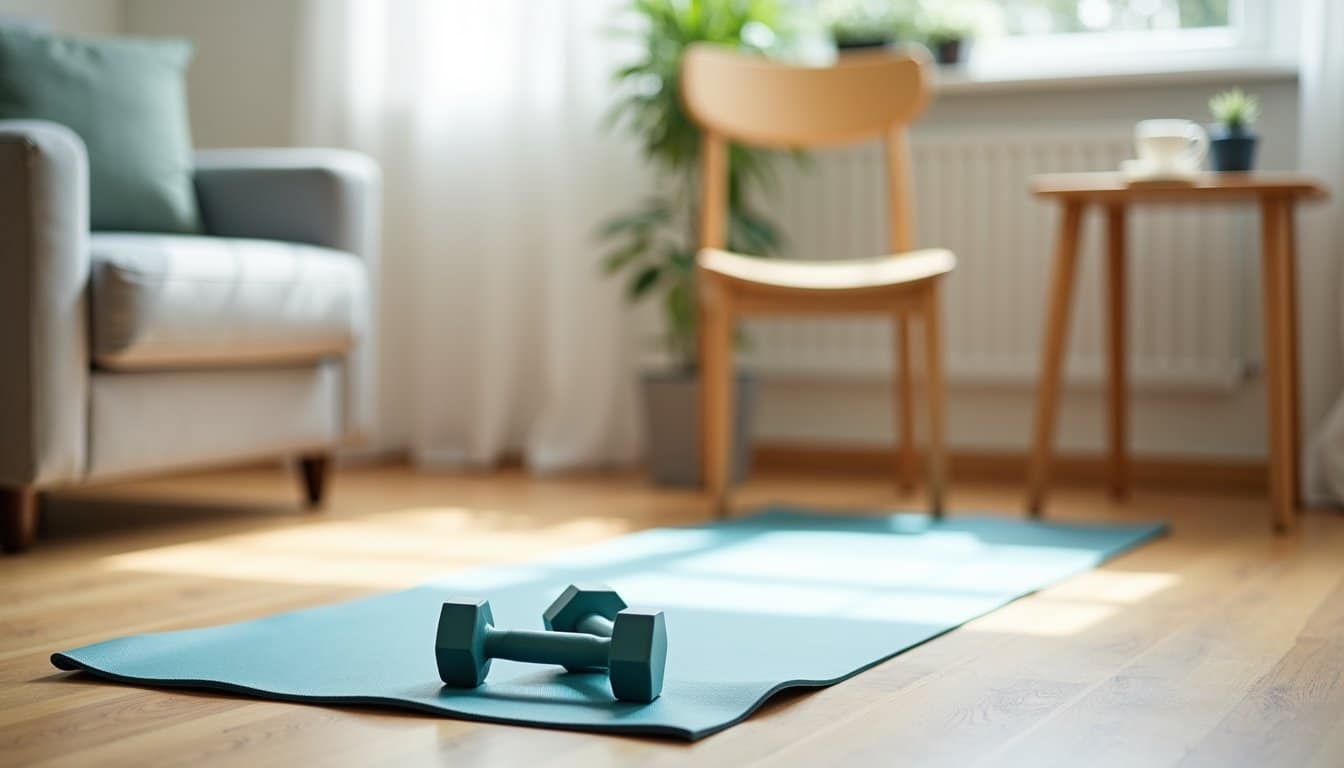
Beyond home modifications, your daily habits play a pivotal role in preventing falls and maintaining independence. Taking proactive steps to reduce the risk of falling starts with regular balance exercises like walking, yoga, or tai chi. These activities strengthen your muscles and improve coordination, making you more stable on your feet.
Don’t forget to review your medications with your healthcare provider, as some can cause dizziness that increases fall risk. Make sure you’re wearing properly fitted, non-slip shoes throughout the day. Use assistive devices like grab bars when needed, and consider a medical alert system for added security. Keep yourself socially engaged while following these safety measures they’re essential prevention strategies that help you stay active and independent in your home.
Smart Technology and Safety Devices
Today’s smart technology offers you powerful tools to prevent and respond to falls while living independently. You’ll find extensive protection through connected systems that combine wearable emergency alerts, motion sensors, and automated monitoring devices that can instantly notify caregivers or emergency services if you experience a fall. These integrated safety networks can also help you manage daily tasks more securely by controlling home features like lighting and temperature, while providing real-time activity tracking to detect potential health concerns before they lead to falls.
Emergency Alert Response Systems
Modern emergency alert response systems serve as a crucial lifeline for seniors living independently. When you’re aging in place, these systems provide immediate help during emergencies through wearable devices and smart home technology.
| Device Type | Safety Features | Response Time |
|---|---|---|
| Medical Alert Pendants | Fall detection, GPS tracking | 30-60 seconds |
| Smart Watches | Heart monitoring, fall alerts | Immediate |
| Home Security Systems | 24/7 monitoring, motion sensors | 60-90 seconds |
You’ll find peace of mind knowing that if you fall or need emergency response, these systems automatically call for help. Whether you choose a wearable device or integrate smart home devices throughout your living space, you’re ensuring safety at home. For seniors living alone, these technologies offer both independence and security through constant monitoring and rapid access to emergency services.
Home Monitoring Tech Solutions
Building upon emergency response systems, smart home technology offers an extensive safety net for seniors aging in place. You’ll find that modern home monitoring solutions can markedly enhance your independence while living alone. Motion-activated lighting reduces your risk of falls, while smart security systems provide round-the-clock protection.
Consider integrating wearable devices with fall detection capabilities and GPS tracking into your daily routine. These devices automatically alert your emergency contacts if you experience a fall. Activity monitoring systems track your daily patterns and can detect unusual changes that might signal potential health concerns. When combined with medical alert systems, these smart home technologies create an all-encompassing safety network. You’ll maintain your independence while ensuring help is readily available should you need it.
Connected Safety Device Networks
How effectively are your home safety devices working together? Today’s smart home technologies offer exhaustive protection through connected networks of safety devices. You’ll benefit most when these systems work in harmony.
| Device Type | Primary Function | Emergency Response |
|---|---|---|
| Voice Assistants | Command Control | Calls for Help |
| Motion Lights | Fall Prevention | Automatic Alerts |
| Security Systems | Home Monitoring | Emergency Services |
| Wearable Devices | Fall Detection | GPS Tracking |
| Telehealth Tools | Health Monitoring | Remote Assessment |
Strength and Balance Exercise Strategies
You’ll want to start each day with simple balance exercises like standing on one foot or heel-to-toe walking, which you can do while brushing your teeth or preparing breakfast. Building your core strength through activities like tai chi or resistance band training will greatly improve your stability and reduce your fall risk. Choose exercise equipment that’s appropriate for your fitness level, such as sturdy chairs for support during standing exercises, non-slip yoga mats, or lightweight resistance bands that you can easily grip.
Daily Balance Training Activities
Regular balance training serves as a cornerstone in preventing falls among seniors living independently. To maintain your physical fitness and improve safety, start by incorporating activities like walking, tai chi, or yoga into your daily routine. These exercises enhance your balance and coordination while supporting overall senior wellness.
You can boost your stability by practicing simple exercises at home. Try standing on one leg while holding onto a sturdy chair, then gradually reduce your dependence on support. Walking heel-to-toe, as if on a tightrope, helps strengthen your postural control. For staying active and maintaining independence, focus on core-strengthening moves that improve your overall stability. These daily balance activities not only help in preventing falls but also contribute considerably to your quality of life as you age.
Building Core Muscle Power
When it comes to preventing falls, building core muscle power stands as a vital component of any senior’s exercise routine. Research shows that proper strength training can reduce your risk of falling by up to 54% when combined with balance exercises. After consulting your healthcare provider about risk factors and potential side effects like dizziness, incorporate these evidence-based strategies recommended by the Centers for Disease Control:
- Engage in resistance training twice weekly to improve muscle strength and reduce your fear of falling
- Practice functional exercises that mirror daily activities, helping you navigate common tripping hazards with confidence
- Participate in structured strength programs under professional guidance, as recommended by the Department of Health, to certify proper form and maximum benefit
Remember to start gradually and keep seeking medical attention if you experience unusual discomfort during exercises.
Safe Exercise Equipment Choices
Selecting the right exercise equipment plays a crucial role in maintaining strength and balance while minimizing injury risk. Start with resistance bands, which are lightweight, portable, and ideal for building muscle strength at your own pace. If you’re comfortable with gym equipment, weight machines offer controlled movements with adjustable resistance levels.
Don’t overlook simple bodyweight exercises, which you can safely perform at home. For balance training, incorporate a balance board, or try low-impact activities like tai chi and yoga. If you need extra stability, there’s no shame in using assistive devices canes, walkers, or rollators can help you exercise with confidence.
Before purchasing any equipment, consult a physical therapist who’ll assess your needs and recommend appropriate tools that match your fitness level and safety requirements.
Medication Management and Health Monitoring
Safe medication management plays a critical role in preventing falls among seniors who live independently. Using DosePacker’s compliance packaging and CareCommunityOS helps you organize medications effectively while monitoring potential side effects that could increase fall risks.
- Review medications regularly with your healthcare providers through CareCommunityOS to identify any combinations that might affect your balance or cause dizziness.
- Track your health assessments and medication schedules using the MyDoses App, which alerts you and your caregivers to concerning changes in your condition.
- Set up customizable DoseMinders to guarantee you’re taking medications as prescribed, especially if you experience cognitive impairments.
Managing medications properly is essential for maintaining your independence. The integrated approach of DosePacker’s solutions helps you stay on track with your medication routine while keeping your healthcare team informed about your progress.
Building a Support Network and Emergency Plan
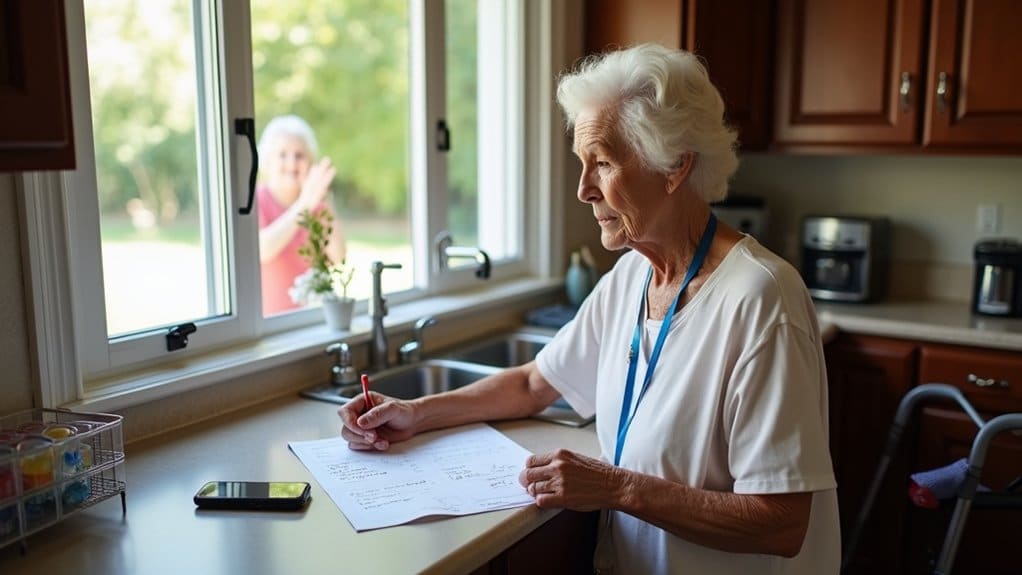
Living alone requires a robust support system and well-organized emergency plan to prevent falls and guarantee quick assistance if needed. Combat social isolation by participating in community activities that support both your physical and mental health. Create a detailed list of emergency contacts, including family members and neighbors, and ensure they have access to your personal information and home environment.
Consider investing in alert devices that can automatically detect falls and summon medical attention. These systems are especially vital when living safely alone. Schedule regular check-ins with trusted individuals who can monitor your well-being and identify potential hazards like loose rugs or other unsafe home environment conditions. Don’t forget to discuss your fall prevention strategies with your healthcare provider, who can offer personalized recommendations based on your specific needs.
Frequently Asked Questions
What Are the 5 P’s of Falls Prevention?
The 5 P’s of falls prevention keep you safe through: 1) Proper footwear selection and physical assessment, 2) Pharmaceuticals review through medication management, 3) Place safety with home hazard checks and lighting improvements, 4) Practice strength and balance exercise routines, and 5) Professional support including vision screening checks and physical therapy recommendations. You’ll reduce your risk by installing grab bars and stair handrails while following these essential guidelines.
How to Prevent Falls for Elderly at Home?
You can prevent falls by making several key changes to your lifestyle and environment. Start with regular balance exercises and physical activity to stay strong. Wear proper footwear and get routine vision checks. Review your medications with your doctor, and guarantee you’re maintaining good nutritional intake. Install safety devices like grab bars and remove environmental hazards. Make necessary home modifications like improving lighting and securing rugs. Don’t hesitate to seek caregiver support when needed.
What Are the 3 P’s for Fall Prevention?
The 3 P’s for fall prevention help you stay safe and independent. Prioritize physical activity by doing mobility exercises and balance training to build strength. Personalize your environment through safety assessments and environmental adaptations to eliminate home hazards. Partner with healthcare providers for regular medication reviews and vision screenings. Don’t forget to discuss assistive devices and consider caregiver support when needed. These P’s work together to create an extensive fall prevention strategy.
How to Avoid Falling in Old Age?
To avoid falling as you age, establish a daily exercise routine focusing on balance training exercises and strength building. Get a home safety assessment and install grab bars in key areas. Guarantee proper lighting throughout your home and add safety measures on stairs. Choose non-slip footwear and manage your medications carefully. Don’t forget regular vision checks and consider using fall detection devices. These steps will help you maintain your independence while staying safe.