





Watch for key warning signs of elder abuse: unexplained bruises or injuries, sudden weight loss, withdrawal from activities, and unusual financial transactions. You’ll want to note any dramatic mood changes, especially fear around caregivers. Document your concerns with photos, notes, and records. If you suspect abuse, contact Adult Protective Services or call 911 in emergencies. The following information will help you protect vulnerable seniors and take appropriate action.
Understanding Different Forms of Elder Abuse
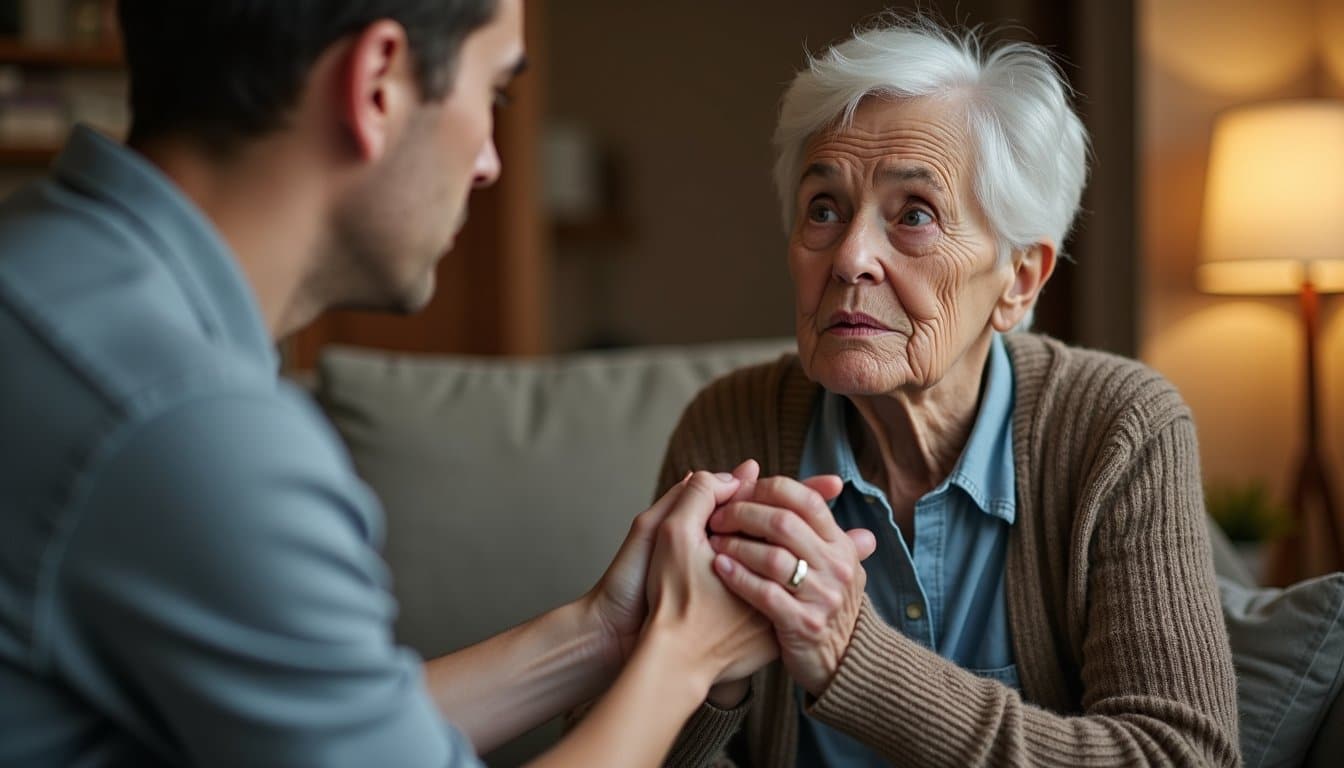
While many people associate elder abuse primarily with physical harm, the reality encompasses a much broader spectrum of mistreatment that seniors face. The types of elder abuse include physical assault, emotional manipulation, sexual abuse, financial exploitation, and neglect. You’ll need to recognize that these different forms often occur simultaneously, making the signs of elder abuse complex and varied.
As you learn about symptoms of elder abuse, understand that they can manifest in any setting from private homes to healthcare facilities. While physical marks might be the most visible indicators, emotional withdrawal, sudden financial changes, or declining personal hygiene can also signal abuse. Given that only one in fourteen cases gets reported, it’s indispensable you’re aware that abuse often remains hidden behind closed doors, with victims suffering silently.
Physical Warning Signs and Red Flags
If you’re caring for an elderly loved one, pay close attention to any unexplained bruises, cuts, burns, or broken bones that could indicate physical abuse. You’ll want to watch for sudden changes in their physical appearance, including unexplained weight loss, poor hygiene, or signs of malnutrition, as these may signal caregiver neglect. Be particularly concerned if your elderly family member shows reluctance to explain their injuries or if you notice unusual marks that could suggest improper use of restraints.
Visible Injuries and Bruising
Physical abuse often leaves visible marks on elderly individuals that shouldn’t be ignored. When you notice unexplained bruises, cuts, or burns on an elderly person, it’s vital to pay attention and document these injuries. While some seniors might try to hide their wounds or offer confusing explanations, you should remain vigilant for signs that don’t match their stories.
- Multiple bruises in various stages of healing, especially on the face, arms, or torso
- Burns or cuts that appear to have specific patterns or shapes
- Frequent sprains, fractures, or dislocations with inconsistent explanations
- Recurring emergency room visits for similar types of injuries
If you observe these warning signs, don’t dismiss them as accidents. Physical abuse tends to escalate over time, and early intervention is indispensable for protecting vulnerable seniors from further harm.
Unexplained Physical Changes
Recognizing unexplained physical changes in elderly loved ones can help you identify potential abuse or neglect before it escalates. If you notice sudden weight loss, malnutrition, or signs of dehydration, these changes might indicate that your loved one isn’t receiving proper care or nourishment.
Pay close attention to physical signs like untreated bedsores, poor hygiene, or unsanitary living conditions, as these often reveal caregiver neglect. When your elderly family member’s injuries don’t match their explanation or medical history, it’s vital to investigate further. Be especially watchful if there’s resistance to seeking medical treatment or unexplained delays in getting necessary care. These warning signs don’t always mean abuse is occurring, but they warrant your immediate attention and possibly a report to appropriate authorities for investigation.
Emotional and Behavioral Changes to Watch For

Several emotional and behavioral changes can signal that an older adult is experiencing abuse. If you notice sudden shifts in mood, increased anxiety, or depression in your elderly loved one, don’t ignore these warning signs. Pay close attention to how they interact with their caregivers and whether they show fear or distress around specific individuals.
- Withdrawal from activities they once enjoyed and increasing social isolation
- Unusual passivity, helplessness, or reluctance to make decisions
- Sudden fear or anxiety when certain caregivers are present
- Acting unusually childlike or becoming overly compliant
You’re in the best position to notice these behavioral changes since you know your loved one’s typical personality and habits. If you observe these signs of emotional abuse, it’s essential to take action and report your concerns to proper authorities.
Financial Exploitation Warning Signs
While emotional abuse can be difficult to detect, financial exploitation often leaves a clear trail of evidence. You’ll want to watch for these key warning signs that could indicate your elderly loved one is experiencing financial abuse.
| Warning Sign | What to Look For |
|---|---|
| Document Changes | Sudden modifications to power of attorney or will |
| Account Activity | Unexplained withdrawals or suspicious ATM transactions |
| Missing Assets | Disappearance of valuable items or possessions |
| Bill Problems | Unpaid bills despite adequate financial resources |
| Access Issues | Caregiver restricting elder’s access to finances |
Pay special attention if you notice your loved one becoming isolated from family and friends, as perpetrators often use isolation to maintain control. Also watch for signatures that don’t match their usual handwriting or if they seem confused about their financial situation.
Recognizing Signs of Caregiver Abuse

If you’re concerned about a loved one’s care, watch for physical warning signs like unexplained bruises, poor hygiene, or sudden weight loss. You’ll want to note behavioral changes such as withdrawal from activities, anxiety around the caregiver, or signs of depression that weren’t present before. Be alert to financial red flags including unusual bank withdrawals, changes to legal documents, or the caregiver controlling access to money and accounts.
Physical Warning Indicators
Vigilance in recognizing physical signs of elder abuse can make the difference between intervention and continued suffering. When visiting elderly loved ones, pay close attention to their physical health and living conditions. Watch for unexplained injuries, broken bones, or burns that might indicate abuse. Signs of inadequate care often manifest through poor hygiene, malnutrition, or untreated medical conditions.
- Inspect their body for suspicious bruises, cuts, or marks, especially in areas typically protected by clothing
- Check if they’re properly hydrated and nourished, as dehydration and weight loss can signal neglect
- Notice if they appear over-sedated or physically restrained, which may indicate improper caregiver control
- Observe their living environment for cleanliness and safety, since unsanitary conditions often reflect neglectful care
Behavioral Changes Alert
Recognizing behavioral changes in elderly loved ones can reveal hidden signs of caregiver abuse that might otherwise go undetected. Watch for sudden shifts in their demeanor, particularly if they become withdrawn, unusually passive, or show increased anxiety when their caregiver is present.
Pay close attention if you notice your loved one becoming reluctant to speak openly around their caregiver or displaying uncharacteristic fear and agitation. These emotional changes often signal underlying abuse. You’ll want to note if they’ve developed new patterns of compliance or if they seem to be actively trying to avoid upsetting their caregiver. Depression and personality changes that can’t be explained by medical conditions should also raise concerns. Trust your instincts – these behavioral changes could be their way of silently communicating that they need help.
Financial Control Red-Flags
Financial abuse can devastate elderly individuals, especially when perpetrated by those entrusted with their care. You’ll want to watch for sudden changes in bank accounts, missing funds, or unauthorized transactions that could signal exploitation. Be particularly vigilant if a caregiver restricts access to financial records or prevents your loved one from managing their own accounts.
- Unexplained modifications to legal documents, including wills or power of attorney changes
- Unauthorized use of credit cards, checks, or pressure to make unusual purchases
- Addition of caregiver’s name to bank accounts or property titles without clear consent
- Large withdrawals, transfers, or purchases made without the elder’s knowledge
If you notice any of these warning signs, don’t hesitate to investigate further. Your quick action in identifying financial exploitation can protect your loved one’s assets and well-being.
Steps to Document Suspected Abuse
When you suspect an elder is being abused, proper documentation becomes an essential tool for protecting their well-being and building a strong case for intervention. You’ll need to carefully record signs of abuse and maintain detailed evidence to support your suspected abuse report.
| Documentation Step | What to Record |
|---|---|
| Physical Evidence | Bruises, cuts, broken bones with dates and descriptions |
| Mental State | Signs of fear, anxiety, depression, and situational context |
| Financial Records | Unusual withdrawals, changed documents, suspicious transactions |
| Witness Accounts | Written statements from elder, caregivers, witnesses |
| Official Contact | Records of all communication with authorities |
Remember to date and time-stamp all documentation, take photographs when appropriate, and maintain a chronological file of your observations. This systematic approach helps authorities investigate and take action to protect vulnerable elders from further harm.
Emergency Response and Immediate Action
If you witness an older adult in immediate physical danger or requiring urgent medical care, don’t hesitate to call 911 right away. You’ll want to carefully document any signs of abuse you observe, including taking photos of injuries or unsafe living conditions when possible, and noting dates, times, and specific incidents. Your detailed documentation and prompt reporting can make a critical difference in protecting vulnerable seniors and helping authorities take swift action to safeguard their safety.
When to Call 911
Reaching out to emergency services should never be delayed when an older adult faces immediate danger or requires urgent medical attention. If you witness signs of physical abuse, severe neglect, or life-threatening situations, don’t hesitate to call 911. Your quick action can prevent further harm and guarantee the elderly person receives immediate help.
When calling emergency services, be ready to provide:
- Detailed description of the situation and your concerns
- The older adult’s current condition and visible injuries
- Location and accessibility information
- Identity and description of suspected abuser (if known)
Documenting Abuse Evidence
Proper documentation of abuse evidence plays a critical role in protecting elderly victims and securing justice. When you suspect elder abuse, you’ll need to carefully gather and record evidence to support your concerns.
| Evidence Type | Documentation Method |
|---|---|
| Physical Abuse | Photograph visible injuries from multiple angles |
| Financial Abuse | Collect bank statements and financial records |
| Neglect Signs | Document living conditions and medical issues |
| Witness Input | Record detailed statements with dates and times |
As you collect evidence, maintain detailed notes about when and where you observed concerning behaviors or incidents. If you discover financial records showing unauthorized transactions or witness statements describing abusive conduct, preserve these documents carefully. Remember to immediately contact emergency services if the elder needs urgent medical attention, and report your findings to adult protective services for a formal investigation.
Legal Rights and Protective Services
When elder abuse occurs, victims and their loved ones have specific legal rights and access to protective services designed to guarantee their safety and well-being. You’ll find strong legal protections through Adult Protective Services and law enforcement agencies that investigate reports and take action against abusers.
Elder abuse victims are protected by law, with dedicated services and agencies ready to investigate reports and defend their rights.
- You have the right to refuse services while still maintaining protection from retaliation if you choose to report abuse
- Mandatory reporters, including healthcare workers and social workers, must alert authorities when they suspect elder abuse
- Adult Protective Services provides crisis intervention, case management, and ongoing support
- Federal programs funded through the Older Americans Act offer prevention services and support hotlines
Support Resources for Victims and Families
Numerous support resources exist to help elder abuse victims and their families navigate the recovery process and safeguard ongoing protection. If you’re seeking assistance, the National Elder Abuse Hotline (1-800-677-1116), also known as the Eldercare Locator, can connect you with confidential support and referrals in your area.
Your local Adult Protective Services agency plays a pivotal role in investigating abuse reports and implementing protective measures. For those with loved ones in long-term care facilities, Long-Term Care Ombudsman programs offer specialized advocacy services. You’ll also find valuable support through local aging services organizations that provide counseling and support groups for survivors and caregivers. The National Center on Elder Abuse website (ncea.acl.gov) serves as an extensive resource for understanding and addressing elder mistreatment.
Building a Prevention and Safety Plan
Creating a thorough safety plan stands as an essential first step in protecting elderly loved ones from potential abuse and exploitation. When you’re taking care of an elder, it’s pivotal to develop preventive measures that guarantee their safety and improve their living conditions. Work together to establish a complete support network while maintaining open communication about their care needs.
Protecting elderly loved ones begins with a comprehensive safety plan, supported by strong preventive measures and open communication about care.
- Identify and document trusted emergency contacts, including family members, healthcare providers, and local authorities
- Set up regular check-ins with neighbors, friends, and community organizations to monitor wellbeing
- Review financial arrangements and establish safeguards against unauthorized access or suspicious changes
- Create clear escape routes and procedures for emergency situations, ensuring they’re accessible and understood
Remember to periodically review and update the safety plan as your loved one’s needs evolve, maintaining their independence while ensuring their protection.
Frequently Asked Questions
How Do You Report Someone for Elder Abuse?
If you suspect elder abuse, notify adult protective services or your local police department immediately. You’ll need to provide the elder’s name, address, and specific details about the abuse you’ve observed. It’s helpful to document abuse evidence like photos, dates, and descriptions of incidents. You can also consult an elder law attorney for guidance. Don’t worry you can report anonymously, and your identity will remain confidential.
What Are the Three R’s in Detecting Elder Abuse?
The three R’s in detecting elder abuse are essential steps you’ll need to remember: First, recognize the warning signs, including physical injuries, behavioral changes, or financial irregularities. Second, respond by taking any concerns seriously and creating a safe space for the elder to share their experience. Third, report suspected abuse to proper authorities like Adult Protective Services or law enforcement. Don’t hesitate to act – you could help protect a vulnerable senior.
What Measures Are Needed to Be Taken to Control Elder Abuse?
You can help control elder abuse by taking several important steps. Stay vigilant for signs of financial exploitation, such as unusual bank withdrawals or missing valuables. Report suspected caregiver neglect immediately to adult protective services. If you notice emotional distress or changes in behavior, document your observations. Connect regularly with elderly loved ones, ensuring they’re not isolated. Create a support network of trusted professionals, family members, and community resources to protect vulnerable seniors.
Which One of the Following Is Essential for You to Include When You Call to Report Elder Abuse?
When you’re reporting elder abuse, you’ll need to provide detailed information to help dedicated personnel take immediate action. You must include the victim’s full name, current address, and contact details. It’s pivotal that you describe specific incidents of abuse, any visible injuries or concerning conditions, and the alleged abuser’s relationship to the victim. Don’t forget to share your observations about the senior’s safety and overall wellbeing.