





Today’s digital tools make it easier than ever to stay connected with your senior loved ones. You’ll find user-friendly options like Amazon Echo Show for video chats, specialized tablets with simplified interfaces, and smart home systems that monitor health and safety. From medication management platforms to virtual reality family gatherings, these technologies create a seamless support network. The latest innovations in senior care technology offer countless ways to maintain meaningful connections and peace of mind.
Smart Communication Devices That Enhance Daily Connections

How can modern technology help seniors stay better connected with their loved ones? Today’s smart communication devices make it easier than ever to maintain meaningful social connections from home.
You’ll find innovative options like the Amazon Echo Show that let you make video chats and control your environment through simple voice commands. These smart displays bring family photos to life and help you manage daily tasks effortlessly. For more portable solutions, tablets offer user-friendly interfaces perfect for staying in touch on the go.
Specialized platforms like GrandPad provide streamlined access to essential communication tools, while familiar apps like WhatsApp and FaceTime keep you connected through messages and calls. With voice assistants like Google Assistant and Alexa, you can easily set reminders and make calls just by speaking naturally.
Health Monitoring Systems With Family Alert Features
Modern health monitoring systems give you and your loved ones peace of mind through continuous tracking of critical signs and well-being indicators. Your smartwatch or wearable device can instantly alert family members if it detects concerning changes in your heart rate, blood pressure, or sudden falls. These real-time notifications create a reliable safety network, letting your family stay informed about your health status while respecting your independence.
Real-Time Vital Sign Tracking
While aging independently remains a priority for many seniors, today’s health monitoring systems offer an innovative blend of safety and autonomy. Your loved ones can now benefit from wearable technology that continuously tracks critical signs, providing a detailed view of their well-being.
These real-time health tracking devices monitor everything from heart rate and blood oxygen levels to sleep patterns and daily activity. When paired with AI-powered analytics, the system can detect potential health concerns before they become serious issues. You’ll receive immediate alerts about any concerning changes, while healthcare providers can access this data to make informed decisions about treatment plans.
The integration with smart home systems creates a robust safety network, ensuring your family member gets help exactly when they need it, maintaining both independence and peace of mind.
Emergency Notification Networks
Today’s emergency notification networks serve as a crucial lifeline for seniors living independently, connecting them to family members and emergency services at a moment’s notice. These advanced systems integrate with smart home devices to create an inclusive safety net that monitors your loved one’s well-being around the clock.
Leading providers like Bay Alarm Medical and Philips Lifeline offer essential features to keep you connected and protected:
- Automatic fall detection technology that immediately alerts emergency services if you experience a dangerous fall
- GPS tracking and two-way communication capabilities for quick assistance when you need it
- Smart monitoring systems that detect unusual patterns and notify your caregivers before emergencies occur
You’ll gain peace of mind knowing these innovative tools are working continuously to safeguard your safety while maintaining your independence.
Voice-Activated Home Assistants for Easy Family Updates
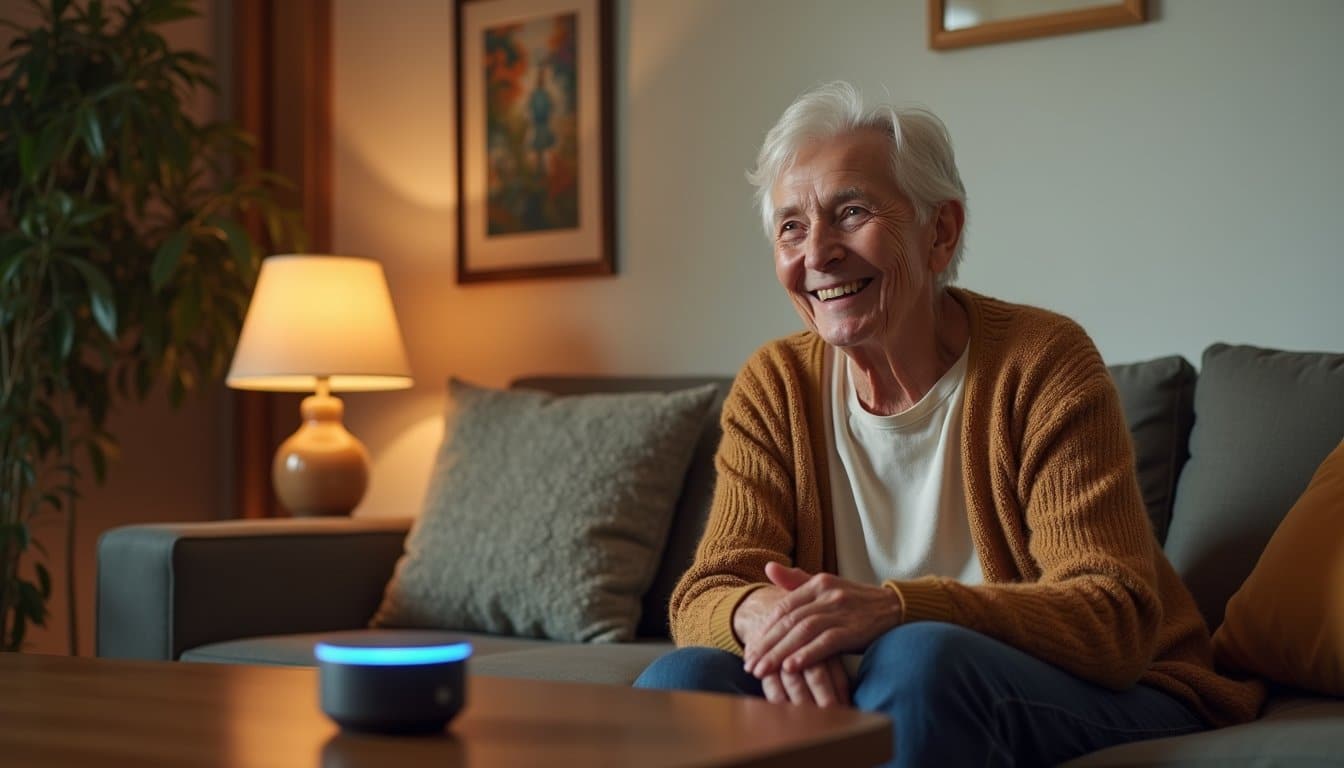
Voice-activated assistants make staying connected with your family easier than ever through simple commands like “Call Mom” or “Send a message to David.” You’ll find comfort in knowing these devices can instantly alert loved ones if you need help, while also letting you share special moments through voice-controlled photo displays and video calls. Whether you’re checking in with grandchildren or sending quick updates to family members, these smart assistants serve as your digital bridge to meaningful connections without requiring complex technology skills.
Simple Voice Commands
As technology continues to evolve, home assistants like Amazon Alexa and Google Assistant have become invaluable tools for seniors who want to stay connected with their families. These smart devices respond to your voice, making daily communication effortless and intuitive.
You’ll find these Voice-activated systems particularly helpful with:
- Making hands-free calls and sending messages to loved ones with simple commands like “Call my daughter” or “Send a message to John”
- Controlling your smart home features, including lights, temperature, and security systems, all through natural speech
- Setting up daily reminders for medications, appointments, and family check-ins without touching any buttons
These user-friendly commands help you maintain independence while staying connected to those who matter most, transforming how you interact with both technology and family members.
Stay-Connected Alert Features
Modern home assistants provide valuable alert features that keep your family informed about your daily activities and well-being. With simple voice commands, you’ll stay connected to loved ones through integrated medical alert systems and home automation capabilities.
You can easily make Video Calls by just asking your device to contact family members, letting them see you’re doing well. These smart speakers also help you share updates about your day-to-day routine – from setting medication reminders to confirming you’re active and safe. Whether it’s checking the weather before a walk or catching up on news, your family stays informed about your engagement and independence. The hands-free nature of these devices means you won’t struggle with complicated buttons or screens, making it natural to maintain those important connections with loved ones.
Family Photo Sharing
Staying connected through photos has never been easier with smart home assistants that bring your family’s precious moments right to your screen. With simple voice commands, you’ll enjoy seamless access to your cherished family and friends’ memories through devices like Alexa and Google Home.
These smart displays offer intuitive ways to stay social and connected:
- Just ask your device to display the latest photos your loved ones have shared – they’ll automatically appear on your screen
- Start a video call while viewing photos to discuss special moments with family members in real-time
- Control your environment with voice commands to adjust lighting and temperature while enjoying your family slideshow
You’ll appreciate how these user-friendly features help you stay engaged with your loved ones through visual memories and meaningful connections.
Digital Safety Tools That Keep Loved Ones Informed
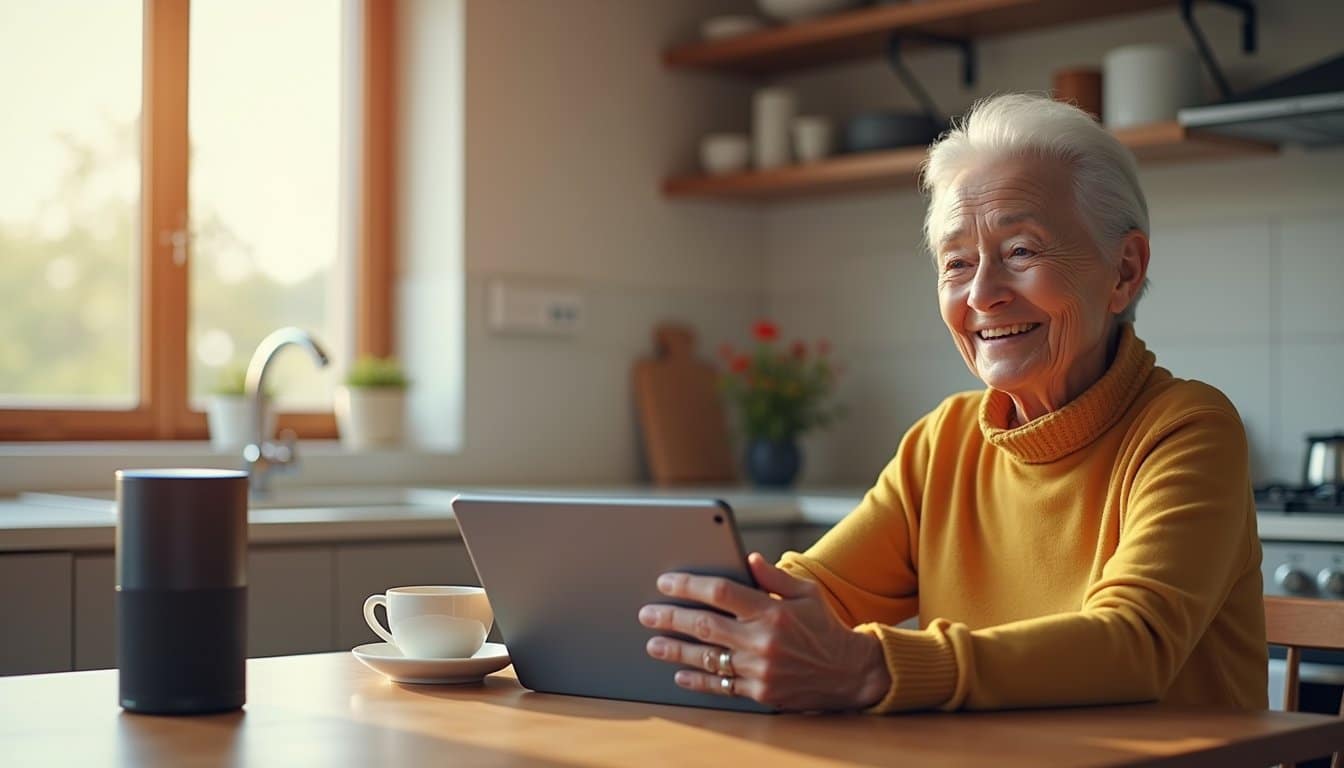
Digital safety tools provide essential protection for seniors while keeping family members in the loop about their online activities and well-being. You’ll find peace of mind knowing your loved ones can safely connect from home while maintaining their independence.
| Safety Tool | Benefits | Family Features |
|---|---|---|
| VPN Service | Encrypted browsing | Activity alerts |
| Antivirus | Malware protection | Health monitoring |
| Password Manager | Secure accounts | Emergency access |
These digital solutions help you stay informed about your family member’s online safety and health status. When you set up a VPN, you’re protecting their sensitive information while browsing. Antivirus software alerts you to potential threats, and password managers guarantee secure access to important accounts. By implementing these tools, you’re creating a protective digital environment that keeps everyone connected and informed about your senior loved one’s well-being.
Social Media Platforms Designed for Older Adults
Several specialized social media platforms now cater specifically to older adults, making online connections more accessible and enjoyable. These innovative tools help seniors maintain social engagement while aging in place, offering features tailored to their unique needs and interests.
Whether you’re looking to connect with peers or stay in touch with family, here are three standout platforms designed for your lifestyle:
- Eldera – Join virtual group activities and discussions with other 50+ adults who share your interests
- GrandPad – Experience simplified video calls and photo sharing through an easy-to-use tablet interface
- Tribepad – Connect with others who have similar life experiences while accessing valuable aging-in-place resources
These platforms create meaningful social connections while providing the support and accessibility you need to stay actively engaged in your digital community.
Virtual Reality Solutions for Family Gatherings
While physical distance can separate families, modern virtual reality technology now bridges that gap with immersive experiences that bring loved ones together. You’ll find VR headsets that transport you into virtual homes and shared spaces where you can interact with family members as if they’re right beside you. These family gatherings feel more natural and engaging than traditional video calls.
You can join your children and grandchildren for interactive games, explore museums together, or simply sit in a virtual living room for meaningful conversations. VR also offers therapeutic benefits through cognitive stimulation activities led by caregiving teams. When you can’t travel physically, you’ll appreciate virtual tours of beloved destinations, helping you stay connected to cherished memories while creating new ones with your loved ones.
Medication Management Systems With Caregiver Integration
Beyond connecting with family virtually, managing daily medications effectively keeps you healthy and independent. Today’s smart medication management systems make it easier than ever to stay on track with your medication regimens while keeping your caregivers informed.
Smart technology empowers seniors to manage medications independently while staying connected to caregivers for enhanced safety and peace of mind.
- Smart medication dispensers lock your medications securely and send alerts when it’s time for your dose, ensuring you’re taking the right pills at the right time
- Cloud-connected platforms allow your caregivers to monitor your medication usage remotely and receive instant notifications if you miss a dose
- Voice-activated digital trackers help you check your schedule and refill status simply by asking
These integrated solutions work seamlessly with telehealth services, enabling your healthcare team to adjust your medication management plan as needed while providing you peace of mind.
Smart Home Security Features With Remote Family Access
Modern smart home security features empower you to maintain independence while giving your loved ones peace of mind. These safety devices create a protective network that keeps you connected to family caregivers around the clock.
| Security Feature | Benefit |
|---|---|
| Video Doorbells | See and speak with visitors without opening door |
| Motion Sensors | Detect falls or unusual activity patterns |
| Smart Cameras | Family can check in remotely via live video |
| Voice Controls | Easily manage devices and call for help |
Your home security system works seamlessly with smart speakers and automated locks, letting you control your environment effortlessly. Family members receive instant alerts about potential emergencies and can monitor your well-being through their smartphones. With video doorbells and remote access capabilities, you’ll feel secure knowing help is just a tap away, while maintaining your privacy and independence.
Frequently Asked Questions
How Much Tech Support Do Seniors Typically Need When Starting With Digital Tools?
You’ll find that seniors often need consistent tech support, especially during their first 3-6 months of using new digital tools. While digital literacy training requirements vary by individual, most benefit from hands-on guidance and step-by-step instructions. You can help reduce technology learning curves by choosing devices with accessible user interfaces and providing regular practice sessions. Don’t rush the process – seniors learn best with patient, repeated demonstrations and ongoing support.
What Happens to Seniors’ Data Privacy When Using Connected Health Devices?
When you use connected health devices, your personal information faces data security risks that need careful attention. You’ll want to review privacy settings configuration on each device and understand how companies handle third party data sharing. It’s important to check who has access to your health metrics, location data, and personal details. Start by enabling strong passwords, reviewing app permissions regularly, and learning how to control what information you’re comfortable sharing.
Can These Digital Tools Work Without Reliable Internet Connectivity?
You’ll find that many digital tools offer offline mode availability, letting you access basic features even without internet. While some functions require connectivity, you can explore cellular connectivity options as a backup when Wi-Fi isn’t reliable. Don’t forget about mobile hotspot solutions through your smartphone they’re great alternatives for staying connected. It’s important to choose tools that work with your specific connectivity situation, and many developers now include offline capabilities to guarantee you’re never completely disconnected.
Are There Financing Options or Insurance Coverage for Senior-Focused Digital Technology?
You’ll find several ways to make digital technology more affordable. Many government sponsored programs offer financial assistance resources specifically for seniors, including Medicare Advantage plans that may cover tech devices. Don’t hesitate to explore private insurance coverage options, as some plans now include digital health tools. You can also check with local senior centers and non-profits that often provide grants or payment plans. Remember, there’s help available you just need to ask!
How Do Seniors Overcome Resistance to Adopting New Technological Solutions?
You can help seniors embrace technology by focusing on ease of use and starting with familiar concepts. Don’t rush introduce new devices gradually, beginning with tasks they’re already interested in, like video calling grandchildren. Intergenerational support is key, so partner with family members who can provide patient, hands-on guidance. Remember to celebrate small wins and reassure them that it’s okay to learn at their own pace.