





Choosing the right care level depends on your loved one’s ability to manage daily activities independently. Senior living suits adults who handle their own bathing, dressing, and medication but want maintenance-free living with social opportunities. Assisted living provides 24/7 staffing and hands-on support for those who need help with personal care tasks or medication management. A thorough assessment of mobility, cognitive function, and safety concerns will guide you toward the most appropriate option.
Senior Living vs. Assisted Living: What’s the Difference?
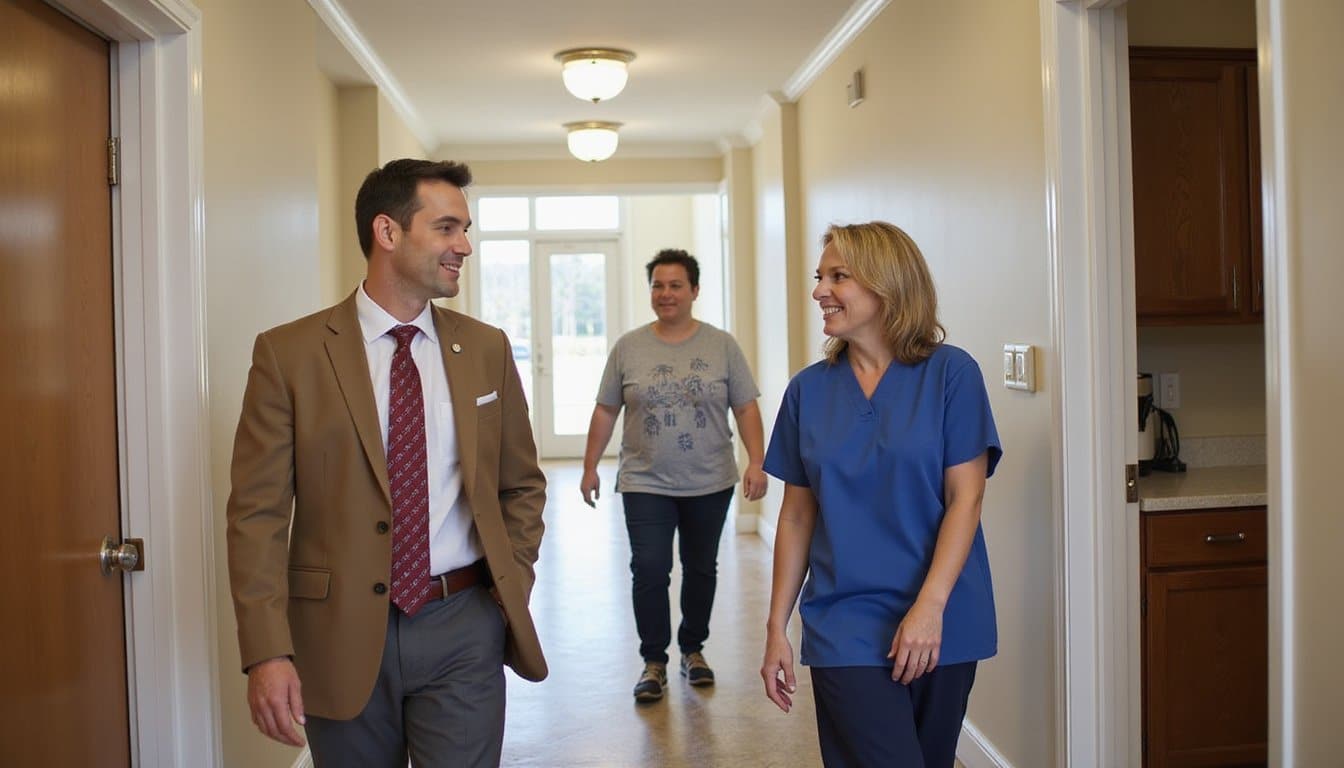
When families begin exploring care options for aging loved ones, understanding the distinction between senior living and assisted living becomes essential for making informed decisions. Senior living communities cater to independent adults who can manage their own daily care, offering optional services like housekeeping and transportation alongside activity programs and fitness amenities. Some communities even offer multiple levels of care on the same campus, allowing residents to transition seamlessly as their needs change.
Assisted living serves residents who need help with activities of daily living, including bathing, dressing, and medication management. You’ll find 24/7 staffing, nutritious meals served three times daily, and personal care support readily available. These communities also prioritize enhanced safety and security to ensure residents’ well-being around the clock. Some assisted living communities may include specialized residences designed for residents with memory care needs or other specific requirements.
The key difference lies in care intensity. If your loved one thrives independently but wants community connection, senior living fits well. If they require hands-on assistance while maintaining some autonomy, assisted living provides that balanced support.
How to Know Which Care Level Your Loved One Needs
How do you determine whether your loved one needs independent senior living or assisted living support? Start by evaluating their ability to perform daily activities like bathing, dressing, and meal preparation. Observe their mobility, fall history, and whether they need assistive devices.
Assess your loved one’s daily abilities—bathing, dressing, mobility, and fall risk—to guide the right care decision.
The staff assessment process involves standardized evaluations measuring cognitive function, physical capabilities, and medical needs. Healthcare professionals use tools like the “get up and go” test to assess balance and strength, while memory screenings identify potential dementia symptoms. For seniors with Alzheimer’s or related conditions, specialized memory care programs provide tailored support that allows residents to age in place comfortably.
Family involvement requirements include attending assessments and providing observations about behavioral changes, medication management struggles, or safety concerns at home. You’ll want to note chronic conditions requiring monitoring and any specialized services needed. Combining these family observations with expert professional guidance helps ensure that care recommendations match your loved one’s current situation and anticipated future needs.
Facilities apply scoring thresholds that vary by state, with periodic reassessments ensuring care levels match evolving needs. Since care needs are personalized for each resident, communities work collaboratively with families to determine the most appropriate level of support.
Who Does Best in Independent Senior Living?

If your loved one manages daily activities independently but wants freedom from home maintenance burdens, independent living offers an ideal match. You’ll find this option works best for seniors who remain physically capable yet seek built-in opportunities for social engagement, fitness programs, and peer connections. With 76% of seniors 65 and older expressing a desire to age in place, independent living communities offer a compelling alternative that maintains autonomy while providing supportive amenities. Research from the University of California San Diego Sam and Rose Stein Institute for Research on Aging has examined how social connections and wellness resources benefit older adults in community settings. Studies show that CCRC residents lived almost two weeks longer than older adults in the greater community, demonstrating the measurable health advantages of senior living environments. Consider whether your family member thrives in community settings and values the health benefits that come from structured activities and readily available wellness resources.
Active Self-Sufficient Seniors
Independent senior living suits older adults who maintain strong self-sufficiency across daily activities—managing personal care, grooming, finances, and routines without assistance from others. You’ll thrive in this setting if you handle daily tasks autonomously and value control over your schedule.
Customized wellness programs support your active lifestyle through fitness classes, Tai Chi, and access to gyms, pools, and walking trails. Research shows 30 minutes of light activity five times weekly preserves independence, while Tai Chi slows functional disability progression by nearly one-third.
An inclusive community atmosphere connects you with hobby groups, educational programs, and social events. The National Institute on Aging confirms consistent engagement reduces depression, anxiety, and loneliness risk. You choose your participation level—from quiet reflection to full involvement in daily activities like trivia and group outings. This environment also provides peace of mind for both residents and their families knowing support is readily available. Many communities offer volunteer work and civic engagement opportunities, allowing you to mentor younger generations and participate in community service projects that maintain your sense of purpose.
Maintenance-free living allows you to enjoy retirement without the burden of home repairs, yard work, or routine upkeep since the community handles these tasks for you.
Social Lifestyle Seekers
Seniors who gravitate toward connection and shared experiences often flourish in independent living communities designed around social engagement. If you’re someone who thrives on interaction, you’ll find extensive community programming tailored to your interests—from fitness classes and book clubs to art workshops and group outings.
These communities structure 2 hour daily activities that transform ordinary moments into opportunities for meaningful connection. Communal dining rooms become gathering spaces where you’ll build friendships over shared meals. Program directors maintain full event calendars, ensuring you’re never without options for engagement. Many communities also offer chef-prepared meals that enhance these dining experiences and eliminate the burden of daily cooking.
You’ll maintain privacy in your own apartment while accessing common areas designed for organic interaction. Shared spaces like libraries and billiards rooms provide natural settings where conversations start and relationships develop. This balance lets you control your socialization levels without sacrificing the camaraderie that strengthens emotional health and reduces isolation risks. With maintenance-free living handling the burdens of homeownership, you’ll have more time to dedicate to these social connections and personal interests.
Signs Someone Needs the Support of Assisted Living
How do you know when an aging loved one needs more support than family members can reasonably provide? Watch for these critical indicators across three key domains:
| Physical Warning Signs | Cognitive Risk Factors | Daily Activity Limitations |
|---|---|---|
| Frequent falls requiring monitoring | Medication mismanagement | Inability to bathe or dress independently |
| Chronic conditions worsening | Memory loss beyond normal aging | Neglected home and hygiene |
| Unexplained weight changes | Confusion or wandering | Unsafe appliance use |
You’ll notice patterns emerging when your loved one struggles with basic self-care tasks. Activity limitations that prevent meal preparation, personal grooming, or household management signal escalating needs. Combined risk factors—such as cognitive decline paired with mobility issues—indicate professional assessment is essential for determining appropriate care levels. Social isolation is another significant concern, as seniors who withdraw from activities and spend most of their time alone may experience depression and mental health decline.
How Daily Care Differs Between Senior and Assisted Living
When you’re comparing senior living to assisted living, the most significant difference lies in who handles daily personal care tasks. In senior housing, you’ll manage your own bathing, grooming, and hygiene routines independently, while assisted living provides trained caregivers who support these activities based on your individual needs. Medication management follows a similar pattern—you’re responsible for tracking and taking your own medications in senior housing, whereas assisted living staff can provide reminders, administration, and coordination with your healthcare providers.
Self-Care Versus Staff Support
The distinction between self-care and staff support represents a fundamental difference that shapes daily life in senior living versus assisted living communities. In senior living, you’ll manage personal grooming needs independently, handling bathing, hygiene, and daily routines without hands-on assistance.
Assisted living offers a different approach. Staff members provide daily help with bathing, grooming, and nutritional meal preparation based on your individual assessment. You’ll receive meals as part of your care package, while senior living residents prepare their own or pay additional fees.
Consider your current abilities honestly. Can you complete hygiene tasks safely? Do you need reminders or physical assistance? Assisted living provides 24/7 staff availability and on-call nurses, whereas senior living emphasizes autonomy. Your answers determine which environment best supports your wellbeing.
Medication Management Differences
Managing medications becomes increasingly complex as you age, with approximately 40% of older adults taking five or more prescriptions daily. In senior living, you’ll handle your own medications with personal diligence, relying on occasional healthcare visits for guidance. Assisted living provides structured oversight where trained staff organize, administer, and document every dose.
Key differences you’ll notice:
- Assisted living offers polypharmacy prevention through regular pharmacist reviews
- Staff monitoring detects side effects and drug interactions early
- Dementia friendly approaches in memory care guarantee consistent administration
- Professional oversight reduces overdose risks substantially
- Documentation tracks adherence and therapeutic effectiveness
Your family should assess whether you can safely manage multiple medications independently. When self-administration becomes unreliable, assisted living’s systematic approach protects your health outcomes.
What Medical Support Is Available at Each Level?
Because medical needs vary widely among older adults, understanding the specific healthcare support at each care level helps families make informed decisions.
In home-based care, you’ll access medical support resources including primary care visits, prescription management, and fast specialist referrals. An interdisciplinary team provides comprehensive health needs coordination with geriatricians, nurse practitioners, and social workers working together.
Home-based care brings together geriatricians, nurses, and social workers to coordinate your complete health needs under one team.
Assisted living communities offer enhanced clinical oversight. You’ll find 24/7 registered nurses handling medication administration and wound care, plus on-site nurse practitioners conducting daily rounds. Licensed therapists deliver physical, occupational, and speech therapy customized to individual goals.
Advanced resources include regular pharmacist medication reviews, in-house dental and podiatry services, audiology consultations, and specialist referrals for cardiology, neurology, and pulmonology when conditions require escalated care.
What Does Senior Living vs. Assisted Living Cost?
How much you’ll pay for senior living versus assisted living depends heavily on the care level required and your geographic location. The average monthly costs for assisted living reach $5,900 nationally, while independent living runs approximately $3,065. Regional differences create significant price variations—from $3,350 in South Dakota to $6,830 in Alaska.
When evaluating your family’s options, consider these cost factors:
- Location impact: Costs range from $3,000 to $7,000 based on state and region
- Care add-ons: Services like medication management add $150+ monthly
- Nursing home comparison: Assisted living costs nearly half of nursing facilities at $9,712
- Shared accommodations: Couples reduce per-person expenses by sharing rooms
- Affordability planning strategies: Retirement savings, Social Security, and pensions help offset expenses
Housing Options and Amenities You’ll Find at Each
While cost remains a primary consideration, the physical layout and available amenities of each community type directly impact your loved one’s daily quality of life.
Beyond costs, community layouts and amenities shape everyday experiences—influencing comfort, independence, and overall well-being for your loved one.
Independent living communities prioritize resident privacy through private apartments with amenities spread throughout the property. You’ll find wellness programs, fitness centers, and nutritional dining prepared by professional chefs. Transportation services and housekeeping support active lifestyles without compromising autonomy.
Assisted living communities centralize amenities for easier accessibility. Your loved one receives 24-hour nursing support, medication management, and personal care assistance. Nutritional dining options come with all meals included, prepared daily by trained staff.
When evaluating each option, determine whether your family member needs distributed amenities encouraging independence or centralized services providing immediate support access.
Questions to Ask When Touring Senior Living Communities
When you tour senior living communities, asking the right questions transforms a casual visit into a thorough assessment of your loved one’s potential new home. Focus your evaluation on these essential areas:
- Community appearance: Are grounds, interiors, and common spaces well-maintained with natural lighting and comfortable furnishings?
- Staff qualifications: What training do caregivers receive, and are they background-checked and available 24/7?
- Care services: How are medications managed, and what’s the staff-to-resident ratio?
- Activities programming: Is there a full-time activities director, and do residents participate in planning?
- Financial transparency: What’s included in monthly fees, and what costs extra?
You’ll want to observe how staff interact with current residents and note whether the environment feels welcoming and safe.
Frequently Asked Questions
Can My Loved One Transition From Senior Living to Assisted Living Within the Same Community?
Yes, your loved one can often shift/move/transfer within the same community. Many facilities offer flexible transition/migration/relocation options through a continuous care model, allowing residents to move from independent to assisted living without relocating entirely. You’ll need to complete a health assessment, including required medical documentation and care evaluations. This internal transition/shift/transfer preserves your loved one’s social connections and familiar environment while ensuring they receive appropriate support as their needs evolve.
How Long Does the Average Resident Stay in Assisted Living Before Needing Nursing Care?
The average resident stay in assisted living ranges from 22 to 28 months before a care level shift becomes necessary. About 60% of residents eventually move to skilled nursing when their needs exceed what assisted living provides. Your loved one’s personal health status, progressive conditions, and required support level will influence this timeline. Regular assessments help you anticipate changing needs and plan appropriately for future care transfers.
Are Pets Allowed in Senior Living and Assisted Living Communities?
Yes, many senior living and assisted living communities welcome pets, though pet friendly policies vary widely. You’ll find that service animals and emotional support animals are always permitted regardless of restrictions. When evaluating options for your loved one, you should review each community’s specific requirements, including weight limits, breed restrictions, vaccination records, and associated fees. Consider whether your family member can independently manage their pet’s daily care needs.
What Happens if My Parent’s Care Needs Change Unexpectedly Overnight?
If your parent experiences a sudden medical emergency or unexpected care needs, most communities have protocols to respond quickly. Staff will conduct an immediate assessment to determine the level of support required. Many facilities offer care escalation options, allowing your parent to move to a higher care level within the same community. You’ll work with the care team to adjust their personalized plan, ensuring safety and continuity during the shift.
Can Couples With Different Care Needs Live Together in the Same Community?
Yes, many communities accommodate couples with different care needs under one roof. Through couple’s care coordination, each partner receives a personalized care plan—one might need memory care support while the other lives independently. This approach eliminates the emotional strain of separate living arrangements. Communities like CCRCs and assisted living facilities assess each spouse individually, adjusting services as needs evolve, so you can maintain your partnership while both receiving appropriate care.