





Depression in seniors often shows up differently than you’d expect, with physical symptoms being more prominent than emotional ones. Watch for unexplained aches, changes in sleep patterns, loss of appetite, and withdrawal from activities they once enjoyed. You might notice your loved one experiencing memory problems, neglecting self-care, or complaining about persistent fatigue. Since these signs can be mistaken for normal aging, understanding the unique ways depression manifests in older adults can lead to earlier intervention and better outcomes.
Common Symptoms and Warning Signs
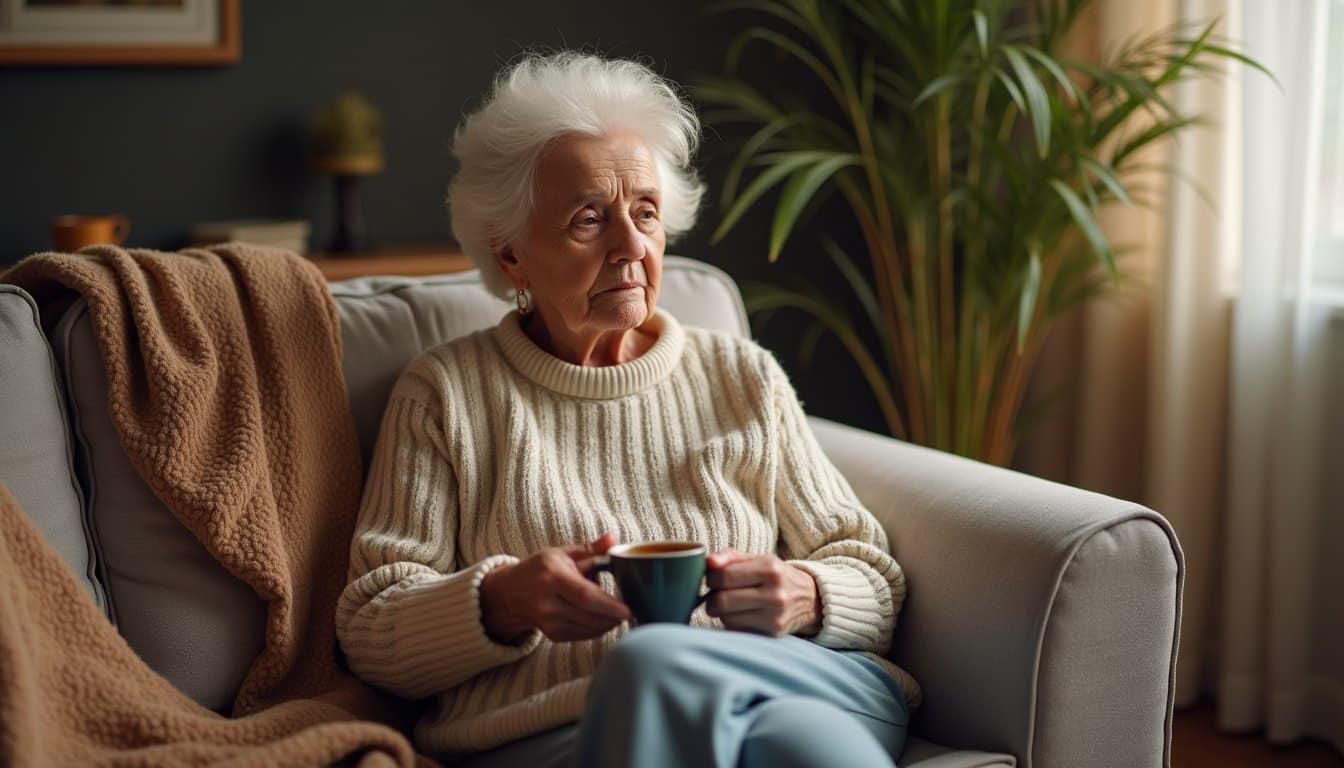
While aging brings natural life changes, depression is not a normal part of growing older. If you notice persistent sadness, anxiety, or disinterest in activities your loved ones once enjoyed, these could be signs of depression. Depression in older adults often manifests through cognitive difficulties, including problems with concentration, memory, and decision-making.
Watch for changes in physical health, such as unexplained aches, sleep problems, or significant shifts in appetite and weight. Your older family members may face an increased risk for depression due to major life passages, health problems, or recent losses of friends and partners. Unfortunately, symptoms of depression often go unrecognized, as they’re frequently mistaken for normal aging. Being aware of these warning signs is crucial, as only a small percentage of seniors with depression receive proper treatment.
Understanding Depression in Older Adults
You’ll notice that depression in older adults often presents differently than it does in younger people, with physical symptoms like fatigue and loss of appetite being more prominent than feelings of sadness. When you’re evaluating an older loved one, it’s important to watch for subtle changes in their energy levels, sleep patterns, and daily routines rather than waiting for them to express emotional distress. Your awareness of these unique manifestations can lead to earlier detection and treatment, as many seniors won’t readily acknowledge feeling depressed but may complain about physical discomfort or loss of interest in activities.
Depression Symptoms Are Different
Depression manifests differently in older adults compared to younger individuals, often making it harder to recognize and diagnose. While younger people typically express feelings of sadness, elderly individuals may show less obvious signs. You might notice your loved one experiencing unexplained fatigue or changes in their sleep patterns rather than emotional distress.
Due to these distinct presentations, there’s a significant risk that depression symptoms will be dismissed as normal aging. What’s more concerning is that certain medications or health conditions can produce similar symptoms, complicating the diagnosis. If you observe changes in your elderly loved one’s appetite, energy levels, or sleep habits, don’t assume it’s just age-related. These could be warning signs of depression that require professional evaluation, especially since untreated depression can lead to cognitive changes resembling dementia.
Beyond Feeling Just Sad
Understanding depression in older adults requires looking beyond traditional signs of sadness. You’ll often notice that older people experience depression through physical discomfort, including unexplained aches and changes in appetite, rather than emotional symptoms alone.
When you’re concerned about depression in the elderly, watch for cognitive changes like trouble with memory, focus, and decision-making. These symptoms of depression frequently overlap with chronic medical conditions, making proper diagnosis indispensable. Since mental health stigma can prevent older adults from seeking depression treatment, it is necessary to recognize these subtle signs.
Many seniors won’t directly express feeling depressed but may complain about medical illnesses instead. That’s why it is fundamental to encourage thorough evaluation by geriatric specialists who can assess both physical and emotional symptoms to develop an effective treatment plan.
Physical Changes That May Signal Depression

While many people associate depression primarily with emotional symptoms, physical changes often serve as early warning signs in older adults. If you’re concerned about an aging loved one, pay attention to unexplained physical complaints or persistent aches that don’t have a clear medical cause. Watch for significant changes in their eating habits, including unintentional weight loss or gain.
You’ll also want to monitor their sleep patterns. Early morning awakening or sleeping excessively can indicate underlying depression. Notice if they’re experiencing increased fatigue, low energy, or unusual restlessness throughout the day. It’s particularly important to be aware that chronic pain may worsen when depression is present. These physical symptoms often intertwine with emotional health, making it vital to discuss any concerning changes with a healthcare provider.
Social and Behavioral Red Flags
Many behavioral changes can signal depression in older adults, with social withdrawal often being the most visible indicator. You might notice your loved one’s dwindling social circle due to their reluctance to spend time with family and friends. They may abandon previously enjoyed hobbies and show little sense of purpose in daily activities.
Watch for signs of neglected personal care and irregular sleep patterns, as these often accompany depression symptoms. Your loved one might express feeling worthlessness or excessive guilt, making it difficult for them to maintain social connections. If they’re feeling sad and withdrawing from regular activities, pay particular attention to any mentions of suicide or self-harm these require immediate professional intervention. Remember that irritability and unexplained physical complaints can also mask underlying depression in seniors.
Medical Conditions and Depression Links

The complex relationship between physical health and depression becomes particularly evident in senior populations. If you’re caring for an older adult, it’s vital to understand how certain medical conditions can trigger elderly depression.
Several chronic illnesses directly cause depression in seniors, including Parkinson’s disease, stroke, heart disease, cancer, and diabetes. You’ll want to pay special attention if your loved one has chronic pain conditions like arthritis, as these greatly increase their risk of developing depressive symptoms. Additionally, thyroid problems, vitamin deficiencies, and dementia can manifest as depression or worsen existing symptoms.
Be aware that some medications prescribed for medical conditions may have depression as a side effect. When multiple chronic illnesses are present, the risk of clinical depression increases substantially, making it essential to monitor your loved one’s mental health closely.
Treatment Options and Support Resources
While antidepressant medications can help manage senior depression, you’ll need careful monitoring by your healthcare provider to guarantee proper dosing and minimize side effects. Cognitive behavioral therapy and other forms of talk therapy offer powerful tools to help you develop coping strategies and address the root causes of your depression. You can strengthen your support system by connecting with local senior centers, joining depression support groups, or participating in community programs specifically designed for older adults managing mental health challenges.
Medication Management And Safety
Proper medication management plays an essential role in treating depression among seniors, requiring careful oversight and coordination between healthcare providers. When you’re taking drugs used to treat depression, it’s important to be aware of potential interactions with other medicines, especially those for high blood pressure and other medical problems. Talk to your doctor about all medications you’re currently taking to guarantee safe and effective treatment for depression.
- Keep an updated list of all your medications, including over-the-counter drugs and supplements
- Store medications in a well-organized, temperature-controlled environment away from direct sunlight
- Use pill organizers or reminders to maintain consistent dosing schedules
- Report any unusual side effects or concerns to your healthcare provider immediately
Talk Therapy Benefits Today
Research consistently shows that talk therapy offers powerful benefits for seniors struggling with depression, providing essential tools for emotional healing and improved mental well-being. For depressed older adults, treatments like cognitive-behavioral therapy and interpersonal therapy can effectively address mental illness during the senior years, even if recovery may take longer than expected.
You’ll find that talk therapy helps tackle common challenges like sleep disorders while improving your overall quality of life. Many people find comfort in both individual counseling and support groups, where they can connect with others facing similar struggles. Online therapy platforms now make professional help more accessible, especially if you have mobility limitations. When combined with proper medication management, talk therapy creates an inclusive treatment approach that addresses both emotional and physical aspects of depression.
Community Support Networks Available
Three critical community support networks stand ready to help seniors manage depression and improve their quality of life. When significant life changes cause or worsen depression, you’ll find support through local senior centers, health insurance coverage for mental health services, and organizations like NAMI that specialize in mental health advocacy and education.
- Local agencies on aging provide care coordinators who’ll connect you with essential services, particularly helpful if you’re experiencing loss of driving privileges or a dwindling social circle
- Community support groups offer safe spaces to share experiences with others who understand your challenges
- Medicare and many insurance plans cover therapy sessions to help develop coping strategies
- Online therapy platforms provide accessible mental health support, especially beneficial if you’re facing mobility problems or live in remote areas
Steps for Family Members and Caregivers
Family members and caregivers play a vital role in recognizing and responding to depression in seniors. You’ll need to monitor changes in their daily routines, particularly if they’re having trouble falling asleep or showing a lack of energy. Watch for signs that they feel sad or express anxiety over financial problems, especially when these feelings persist every day.
When you notice decreased mobility or withdrawal from activities, take action promptly. Contact their primary care provider for an evaluation, and help schedule necessary appointments. Listen actively when they share concerns, and offer practical assistance with daily tasks. Create opportunities for social interaction to prevent isolation, and educate yourself about depression in older adults. Remember to approach the situation with patience and understanding while advocating for appropriate mental health care.
Breaking Through Age-Related Stigma
While many seniors grew up in an era when mental health concerns were rarely discussed openly, overcoming this generational stigma is essential for effective treatment. Unlike younger adults who may be more comfortable discussing mental health, older persons often view depression as a personal weakness rather than a medical condition. If you have a loved one in a nursing home or living independently, it’s of the utmost importance to make sure they understand that seeking help won’t diminish their dignity or ability to care for themselves.
Encourage open conversations about mental health by sharing experiences of both older and younger people who’ve successfully managed depression. Connect them with peer support groups where they can relate to others facing similar challenges. Address any concerns that might cause feelings of shame or embarrassment. Help them understand that depression treatment is as legitimate as managing any physical health condition.
Frequently Asked Questions
What to Do When an Elderly Person Is Depressed?
You’ll need to take action quickly when helping a depressed elderly person. Start by encouraging them to see their doctor to address health concerns and discuss medication options. Make sure you’re offering support services like counseling and involving family members in their care plan. You should promote lifestyle changes, including regular exercise and healthy eating. Help them engage socially and monitor their progress regularly through check-ins and open conversations.
What Are the Physical Consequences of Depression in Older Adults?
If you’re an older adult with depression, you’ll likely experience several physical health impacts. You may notice poor sleep quality and reduced appetite, which can lead to nutritional deficiencies. Depression can increase your pain sensitivity and cardiovascular issues while accelerating cognitive decline. You’ll also face mobility challenges due to decreased energy and motivation. Your immune system may become weakened, making you more susceptible to illness and slower to recover from infections.
What Are Four Common Predictors of Depression in Older Adults?
You’ll find that four significant predictors of depression in older adults often include chronic health conditions that limit daily activities, social isolation due to loss of friends or family connections, cognitive decline that affects memory and decision-making, and financial insecurity from retirement or medical expenses. These factors don’t work in isolation they frequently overlap and compound each other, creating a complex web of challenges that can trigger depressive symptoms in seniors.
What Are the Symptoms of High Functioning Depression?
If you’re experiencing high functioning depression, you’ll notice persistent symptoms that may seem subtle but greatly impact your life. You might struggle with a constant feeling of hopelessness and lack of motivation, even while maintaining daily responsibilities. Watch for social withdrawal, sleep disturbances, and changes in appetite. You may also experience difficulty concentrating and decreased self-care, though you’re still able to function at work or school.