

Non-pharmacological approaches can effectively manage your chronic pain without medication side effects. You’ll find relief through evidence-based techniques like mindfulness, cognitive behavioral therapy, and guided imagery. These methods have shown success in up to 80% of elderly patients, particularly in long-term care settings. You can work with healthcare providers to develop a personalized plan combining relaxation exercises, distraction methods, and pain tracking tools. Exploring these alternatives opens new doors to improved comfort and well-being.
Understanding Chronic Pain Prevalence in the Elderly Population
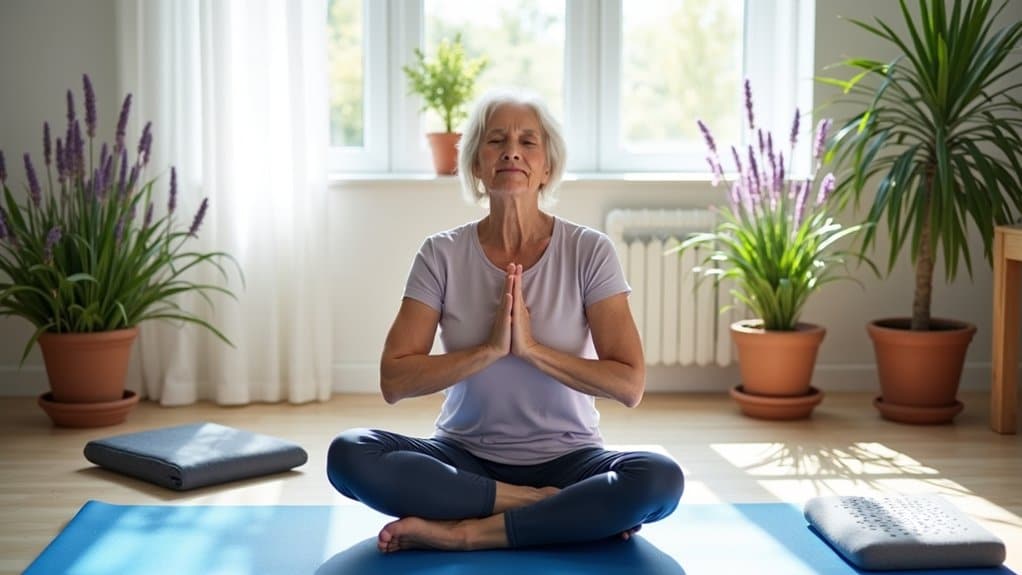
While chronic pain affects people of all ages, its prevalence among the elderly population is particularly striking, with up to 80% of seniors in long-term care facilities experiencing persistent pain issues. You’ll find that over 50 million older adults in the U.S. face this challenging Health Care concern, considerably impacting their quality of life.
Proper Chronic Pain Management is often complicated by communication barriers and misconceptions about aging. Many health providers mistakenly view pain as a normal part of growing older, which can lead to inadequate treatment. The fact that only 39% of long-term care staff regularly use pain assessment tools highlights a critical gap in pain recognition. Understanding these challenges is essential for developing effective non-pharmacological treatments and improving the overall quality of life for older adults in care facilities.
Benefits of Non-Pharmacological Pain Management Approaches
Non-pharmacological pain management approaches offer substantial benefits for elderly patients struggling with chronic pain. When you’re managing pain in older people, these techniques can greatly reduce stress and anxiety during medical procedures while decreasing reliance on medications. The prevalence of chronic pain in older adults, particularly those in nursing homes, makes these alternatives increasingly valuable.
You’ll find that non-pharmacological pain management strategies help improve quality of life in long-term care settings. These methods enable you to better prepare for treatments by redirecting your attention away from discomfort. In nursing homes, where chronic pain is common, implementing these approaches has shown noticeable success. Healthcare providers have noted improved documentation and assessment practices, leading to more effective pain management protocols that enhance overall patient care and comfort.
Educational and Psychological Conditioning Techniques

As healthcare providers develop detailed pain management strategies, educational and psychological conditioning techniques play a pivotal role in empowering elderly patients. You’ll find that mindfulness techniques, when tailored to individual needs, can help you understand the physiological changes associated with your pain conditions.
Through structured educational programs, you’ll learn effective pain management methods that address both physical and emotional aspects of chronic pain. These non-pharmacological interventions include cognitive behavioral therapy, relaxation exercises, and stress management techniques. You’re encouraged to actively participate in your care by maintaining pain diaries and identifying triggers that worsen your symptoms.
Treatments for chronic pain are most successful when you’re equipped with knowledge about your condition and confident in managing daily activities. Regular practice of these techniques can profoundly improve your quality of life.
Hypnosis and Distraction Methods for Pain Relief
Many elderly patients find significant relief through hypnosis and distraction techniques when traditional pain management methods prove insufficient. Studies show these open access treatment options are particularly effective for people living in nursing home settings, where chronic pain often leads to reduced mobility and decreased quality of life.
You’ll find that hypnosis guides you into a focused state of consciousness, helping manage various pain types without the risk of medication side effects. Simple distraction methods, like watching TV, listening to music, or engaging in guided imagery, can provide immediate relief. These techniques are especially valuable because they’re non-pharmacological, allowing you to maintain mental clarity while effectively managing discomfort. For elderly patients concerned about medication interactions or seeking complementary approaches, hypnosis and distraction methods offer safe, evidence-based alternatives for pain control.
Assessment Tools and Clinical Trial Opportunities

While managing chronic pain requires individualized care, standardized assessment tools help healthcare providers track your pain levels and treatment effectiveness accurately. Research suggests using thorough pain scales alongside physical therapy assessments can improve the quality of your treatment plan.
You’ll find opportunities to participate in clinical trials through the Department of Health and Human Services database, which lists studies specifically focused on chronic pain among elderly populations. These trials typically run for three months or longer, testing new approaches to manage chronic pain. When you participate, you’ll complete regular assessments using validated tools like the Brief Pain Inventory or McGill Pain Questionnaire. Your healthcare provider can help determine if you’re eligible for these studies and guide you through the screening process to verify the trial aligns with your treatment goals.
Frequently Asked Questions
What Is the Safest Pain Med for Seniors?
Acetaminophen is your safest pain medication choice when taken at the correct dosage. You’ll want to work with your doctor on elderly pain assessments to determine proper amounts. For additional relief, consider combining it with topical pain relievers like lidocaine patches. You can also explore natural pain remedies and alternative therapies, such as senior exercise programs or pain reducing supplements. Remember to start with low doses and monitor your body’s response to any pain relief techniques.
What Is the Best Way to Manage Pain in the Older Adult?
You’ll achieve the best pain management results through a thorough approach. Start with gentle exercise routines and physical therapy options to maintain mobility. Consider mindfulness-based techniques for mental well-being, and try acupuncture treatments or massage therapy sessions. You can also benefit from hot/cold therapy applications, topical pain relievers, and transcutaneous electrical nerve stimulation (TENS). Don’t forget to discuss nutritional supplements with your healthcare provider for additional support.
How Do You Manage Chronic Pain Without Medication?
You can effectively manage chronic pain through several non-medication approaches. Consider combining behavioral therapy and cognitive strategies to change your pain perception, while physical therapy strengthens your body. Try acupuncture and massage therapy to release tension, and apply hot/cold therapy for immediate relief. Practice mindfulness techniques for mental focus, and modify your activities to prevent overexertion. Natural supplements may help, but always consult your healthcare provider before starting any new treatment.
What Is the New Non Opioid Drug for Chronic Pain?
Based on the background information provided, there aren’t any new non-opioid drugs specifically approved for chronic pain. However, you can consider several established non-opioid options like duloxetine (60-120mg daily), topical treatments such as lidocaine patches or diclofenac gel, and carefully dosed acetaminophen (staying under 3000mg/day). For seniors, you’ll want to work with your healthcare provider to find the right balance, as NSAIDs and gabapentin require careful monitoring for side effects and interactions.