


When you participate in intergenerational programs as an elderly individual, you’ll experience seven evidence-based benefits. You’ll notice enhanced mental sharpness, improved physical mobility with 20% increased calorie burn, and boosted self-esteem through mentoring opportunities. You’ll also see a 40% reduction in isolation, stronger community bonds, better emotional well-being, and valuable knowledge exchange. These documented advantages represent just the beginning of how intergenerational engagement can transform your senior years.
Enhanced Mental Sharpness and Memory Retention
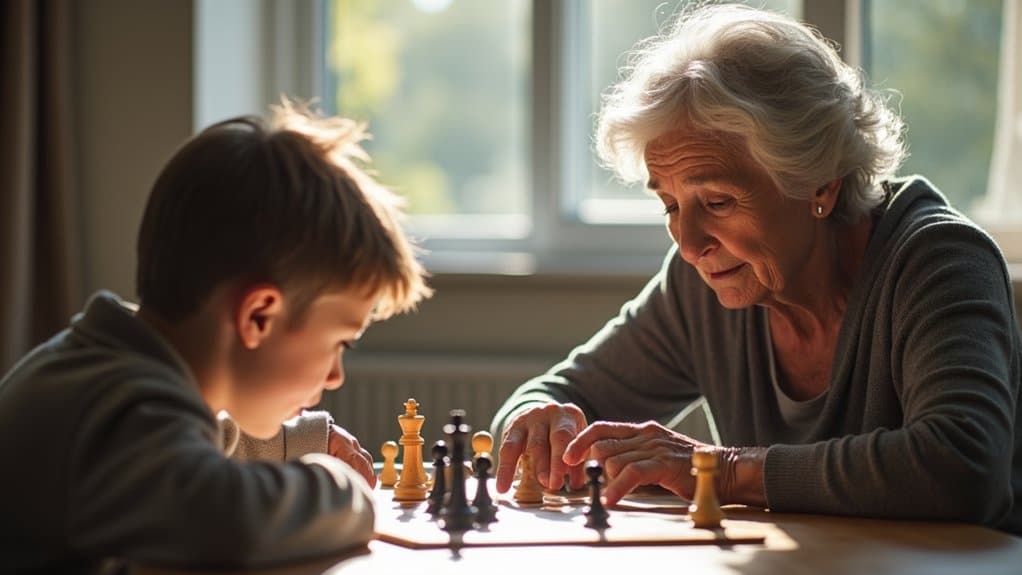
The cognitive benefits of intergenerational programs for elderly participants extend far beyond basic social interaction. When you’re Mentally Active in activities with children, you’ll experience enhanced information processing abilities and improved memory retention. Research demonstrates that these meaningful connections stimulate essential cognitive functions, helping keep your Mind Sharp as you age.
Through Lifelong Learning opportunities and teaching younger generations, you’ll engage multiple areas of your brain simultaneously. Studies show that regular intergenerational engagement can dramatically reduce cognitive decline and potentially lower your risk of developing dementia. The complex mental tasks involved in mentoring, problem-solving, and sharing life experiences with younger participants create a cognitively rich environment. This sustained social interaction and knowledge exchange helps maintain your mental acuity while fostering valuable cross-generational relationships.
Improved Physical Health and Mobility
When you engage with younger generations through structured physical activities, you’ll experience significant improvements in strength, balance, and overall mobility. Research shows that participating in intergenerational programs increases your weekly calorie burn by 20% through activities like gardening, nature walks, and light exercise routines. You’ll find that the enthusiasm and energy of younger participants naturally motivates you to maintain a more active lifestyle, which directly contributes to better cardiovascular health and reduced risk of falls.
Exercise With Young People
How do seniors benefit physically from exercising with younger generations? Research shows that seniors who participate in intergenerational physical activities experience a 20% increase in weekly calorie burn. When you join programs involving children, you’ll notice improved mobility and reduced dependence on walking aids.
These community activities with younger participants help you achieve fitness goals through structured exercises like walking and outdoor scavenger hunts. The physical Benefits extend beyond basic mobility – you’ll see positive impacts on your cardiovascular system, joint flexibility, and digestive health. Additionally, seniors with chronic conditions such as diabetes and hypertension show marked improvement when engaging in regular exercise with younger groups. These social interactions combined with physical activities create a thorough approach to maintaining an active life while aging.
Mobility Through Joint Activities
Through regular participation in joint activities, seniors demonstrate significant improvements in their range of motion and overall physical capabilities. You’ll find that meaningful interactions combined with physical activity help overcome physical limitations while enhancing health and mobility.
| Activity Type | Mobility Benefits |
|---|---|
| Dance Sessions | Improved balance, coordination |
| Gardening | Enhanced flexibility, strength |
| Group Games | Better reflexes, endurance |
| Arts & Crafts | Fine motor skills, dexterity |
Activities designed for intergenerational engagement provide structured opportunities for regular interactions that keep your body active and mind engaged. Research indicates that seniors who participate in these physical activities show measurable improvements in mobility metrics, including increased walking speed, better posture, and reduced risk of falls. These joint activities create an environment where you’ll naturally push your physical boundaries while enjoying social connections.
Active Movement Boost Health
Regular engagement in intergenerational physical activities markedly boosts cardiovascular health and musculoskeletal function among elderly participants. You’ll notice a positive impact on your overall well-being as you participate in structured movement sessions with younger generations, helping you stay mentally sharp while improving mental and physical capabilities simultaneously.
Research indicates that these collaborative activities can delay cognitive decline and enhance your Mental Health through the development of new skills. As you master life skills alongside younger participants, you’ll experience a profound sense of accomplishment that contributes to your emotional well-being. Studies show that seniors who regularly engage in intergenerational movement programs demonstrate improved balance, coordination, and stamina compared to those who exercise alone, highlighting the program’s significant role in maintaining physical essentiality.
Boosted Self-Esteem and Life Satisfaction
When you engage in intergenerational programs, you’ll experience a significant boost in self-confidence through meaningful social interactions with younger participants. Your involvement in these programs allows you to maintain a strong sense of identity as you share your life experiences and wisdom with children and adolescents. Research shows that these interactions directly strengthen your self-worth and create a more positive outlook on the aging process.
Confident Social Interactions
Participating in intergenerational programs considerably boosts older adults’ self-esteem and life satisfaction through meaningful social interactions with younger generations. When you engage with children and teens in structured activities, you’ll experience a renewed sense of purpose and heightened social confidence. Research demonstrates that these meaningful interactions help strengthen your ability to connect across generations, leading to more dynamic community involvement.
As you participate in intergenerational activities, you’ll develop stronger social skills and greater self-assurance in various social settings. Studies show that engaging with younger generations helps maintain your sense of identity and autonomy while reducing isolation. The opportunity to share your wisdom and life experiences with children and communities creates a mutually beneficial exchange, enhancing your social confidence and overall well-being.
Meaningful Identity Building
Through consistent engagement in intergenerational programs, older adults develop and maintain a robust sense of identity that considerably enhances their self-esteem and life satisfaction. You’ll experience significant psychological benefits when sharing your life experiences with younger generations, reinforcing your self-worth and personal significance.
| Identity Aspect | Psychological Impact |
|---|---|
| Mentor Role | Enhanced self-esteem |
| Knowledge Sharing | Increased self-worth |
| Role Model Status | Improved self-perception |
| Life Experience Value | Greater life satisfaction |
As you serve as a mentor and role model, you’ll discover renewed purpose through meaningful interactions with younger participants. Your satisfaction with aging improves dramatically when you’re actively engaged in sharing wisdom and guidance, creating a positive feedback loop that strengthens your sense of identity and personal value within the community.
Reduced Feelings of Isolation and Loneliness
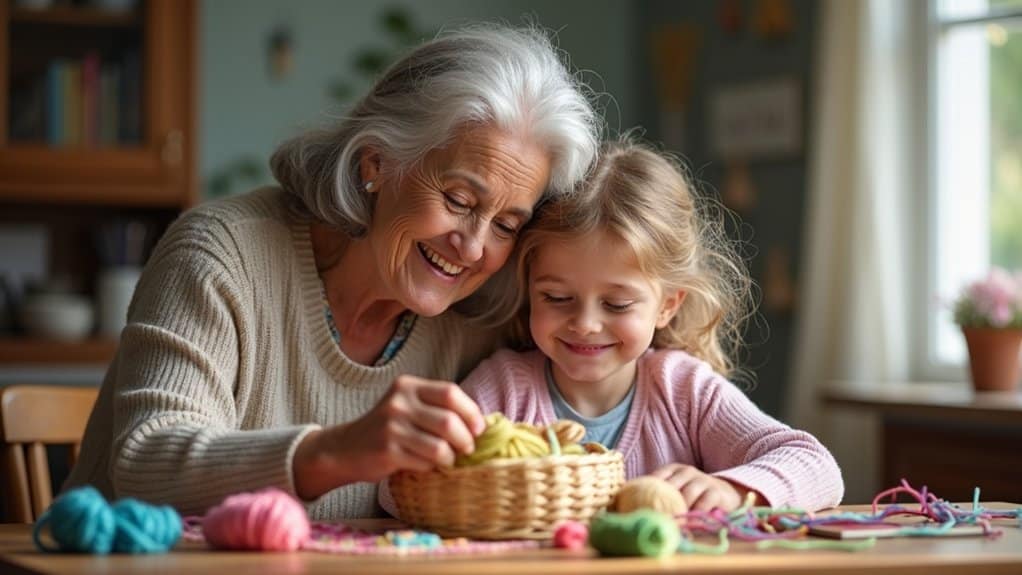
Research consistently demonstrates that intergenerational programs markedly reduce isolation and loneliness among elderly participants. Senior living communities report a 40% decrease in self-reported feelings of isolation when older people engage in structured intergenerational connections. These social connections prove particularly valuable in assisted living settings, where residents often experience limited contact with younger generations.
You’ll find that intergenerational programs create meaningful relationships benefiting everyone involved. Studies indicate a 25% increase in life satisfaction among older participants, while reducing feelings of social disconnection. The sense of belonging these programs foster translates to a 35% reduction in depressive symptoms. By facilitating regular interactions between generations, these initiatives effectively combat isolation among the elderly population, creating sustainable social bonds that enhance their daily lives and emotional well-being.
Sharing Wisdom and Cultural Heritage
When elderly individuals share their life experiences through intergenerational programs, they create invaluable bridges between past and present. As you’ll observe, seniors who pass down wisdom through mentoring relationships foster mutual understanding between generations while experiencing an enhanced sense of purpose and self-worth.
Research demonstrates that these programs serve as critical channels for preserving cultural heritage, allowing older adults to share experiences and valuable knowledge through traditional activities like storytelling, handicrafts, and culinary arts. You’ll find that young participants develop empathy and a deeper understanding of aging through these meaningful interactions. The exchange benefits both demographics: seniors maintain cognitive engagement while transmitting ancestral knowledge, and younger generations gain practical skills alongside cultural insights. This bidirectional learning approach safeguards the continuation of important traditions across generations.
Better Emotional Well-being and Mood
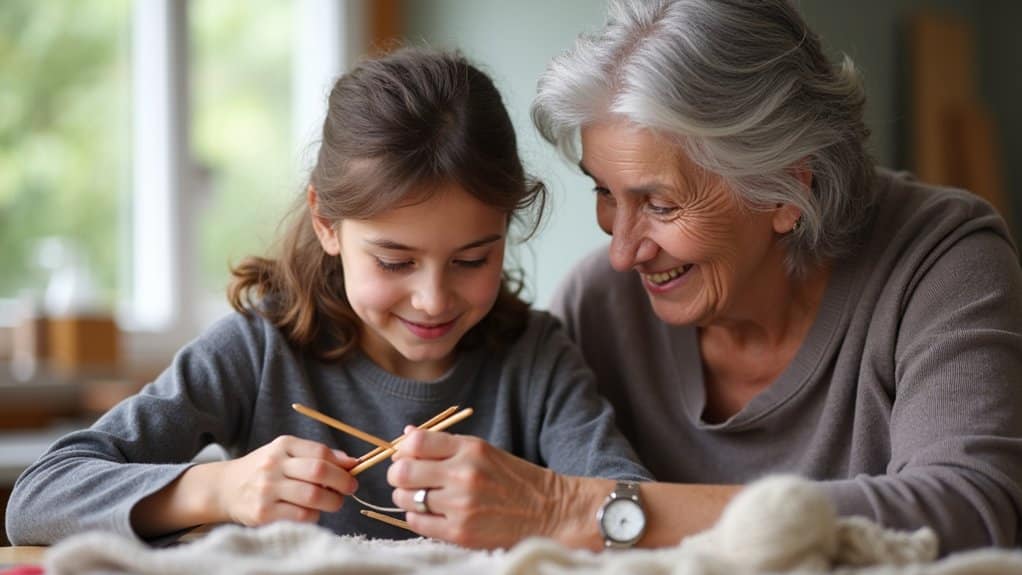
Participating in intergenerational programs yields substantial emotional benefits for elderly individuals, as evidenced by marked improvements in their psychological well-being and mood regulation. When seniors join these activities, they develop meaningful relationships with younger participants, effectively reducing feelings of loneliness and social isolation that often accompany aging.
Intergenerational programming fosters respect and creates a sense of community that’s crucial for emotional health. As you engage with people from different age groups, you’ll find that living with purpose becomes more attainable. The benefits for both age groups are clear, but seniors particularly experience enhanced emotional stability through regular social interactions. Research shows that these connections help older adults better regulate their emotions, boost their self-esteem, and maintain a more positive outlook on life through active engagement with younger generations.
Strengthened Community Connections
Strong community bonds emerge when seniors engage in intergenerational programs, creating essential connections that extend far beyond traditional social circles. When you participate in these initiatives, you’ll discover how living communities offer opportunities for meaningful interactions with children and young people through partnerships with local schools and youth organizations.
| Impact Area | Benefits |
|---|---|
| Social Networks | Foster a sense of belonging across generations |
| Knowledge Exchange | New technologies taught by youth, life wisdom shared by seniors |
| Community Integration | Living communities become active neighborhood hubs |
Spending time in collaborative activities helps bridge generational gaps, as people tend to develop deeper understanding and appreciation for different age groups. These programs provide a sense of purpose while strengthening neighborhood ties, ultimately creating a more cohesive and supportive community environment where both seniors and youth can thrive together.
Frequently Asked Questions
What Are the Benefits of Intergenerational Care?
When you participate in intergenerational care, you’ll experience numerous evidence-based benefits. You’ll develop improved social skills and reduced loneliness through regular interactions. Your physical and mental health will improve through increased physical activity and enhanced cognitive function. You’ll notice decreased depression and improved self-esteem while strengthening family bonds. The programs facilitate shared cultural traditions, provide better emotional support, and increase your sense of purpose through meaningful connections across generations.
What Are the Benefits of Intergenerational Practice?
Through intergenerational practice, you’ll experience improved self-esteem and reduced loneliness as you engage with diverse age groups. Research shows increased social engagement and enhanced cognitive stimulation occur when you participate in cross-generational activities. You’ll discover fostered empathy and strengthened cultural awareness while developing new skills. The practice promotes physical activity and expands your social networks. Studies confirm these interactions help strengthen family bonds and community connections.
How Children as Well as Older Adults Benefit From Intergenerational Programs?
When you participate in intergenerational programs, both age groups reap significant benefits. Children develop improved social skills, enhanced emotional development, and increased creativity while gaining valuable life lessons. You’ll notice older adults experience reduced isolation, enhanced cognitive abilities, and promoted active aging through these interactions. The programs foster empathy and expand worldviews for both groups, while strengthening family bonds. Research shows these connections create lasting positive impacts across generations.
What Are the Benefits of Intergenerational Volunteering?
When you volunteer across generations, you’ll experience multiple evidence-based benefits. You’ll develop stronger social connections and reduce isolation through relationship building. Your mental health improves while gaining a renewed sense of purpose. You’ll increase your physical activity levels and share valuable knowledge with others. The process facilitates cultural exchange and skill development, leading to strengthened communities. Research shows these interactions create meaningful, lasting positive impacts for all participants.