





Senior care homes are licensed residential facilities where your loved one receives personalized help with daily tasks—bathing, medication management, and meals—in a warm, home-like setting. They’re best suited for older adults who need more support than independent living offers but don’t require the intensive medical care of a nursing home. If you’re weighing options for someone who values community connection and individualized attention, you’ll find helpful guidance below.
What Exactly Is a Senior Care Home?

When you’re exploring care options for an aging loved one, understanding what a senior care home actually is can help you make informed decisions. These facilities provide housing for older adults—typically those 55 and older—within residential neighborhoods rather than institutional settings.
Senior care homes feature residential layouts that feel familiar and comfortable, usually housing 10 or fewer residents in traditional home environments. You’ll find private or shared rooms alongside common spaces for dining and recreation. Residents often have the opportunity to personalize their living arrangements to reflect their individual tastes and preferences.
What distinguishes these homes is their community atmosphere. They’re designed to offer security and peace of mind while fostering meaningful connections among peers. Unlike larger facilities, senior care homes maintain a personal, familial environment that bridges the gap between independent living and institutional care settings. Many senior care homes provide 24-hour assistance, ensuring that residents receive support at any hour while reducing the risk of accidents or health emergencies going unnoticed. Similar to board and care homes, these facilities typically offer personal care and meals to support daily living needs.
What Services Do Senior Care Homes Provide?
When you’re exploring senior care homes, you’ll find they offer essential daily living assistance that makes everyday tasks manageable—from bathing and dressing to walking support for residents who need it. Your loved one will also receive regular meals prepared on-site, ensuring proper nutrition without the stress of cooking. Many communities also provide 24-hour supervision along with medication management to ensure residents’ health needs are consistently monitored. Housekeeping and maintenance services round out these foundational offerings, keeping living spaces clean and comfortable so residents can focus on their well-being. With over 30,600 assisted living facilities offering more than 1.2 million licensed beds nationwide, families have numerous options to find the right care environment for their loved ones.
Daily Living Assistance
Daily living assistance forms the cornerstone of care that senior care homes provide to residents. You’ll find trained staff ready to help with essential personal care tasks, including bathing, grooming, dressing, and toileting support. These daily living routines guarantee you maintain dignity while receiving the help you need.
Staff resident interactions focus on personalized mobility assistance, helping you move safely throughout the facility. Whether you need support with ambulation or transfers, caregivers are available around the clock to assist. Many facilities also offer physical and occupational therapy to help residents regain strength and maintain functional abilities. Care teams also provide support for lifestyle changes including joint replacements, ensuring residents recover safely and maintain their independence during rehabilitation.
Beyond personal care, you’ll receive medication management services from licensed professionals who ensure accurate, timely administration. If you’re managing chronic conditions like diabetes, staff can perform blood sugar testing and insulin administration. For added safety, residents can wear emergency medical alert systems that respond to emergencies via an electronic monitor. This all-encompassing approach addresses your physical needs while fostering independence in your daily activities.
Meals and Housekeeping
Three nutritious meals each day form the foundation of senior care home services, though you’ll find considerable variation in how facilities approach dining. Research shows that homes reviewing their menus within the past six months demonstrate higher energy and protein intake among residents. You’ll want to ask about menu diversity, as cycle lengths now average 3.8 weeks, offering rotating options to prevent monotony.
Food quality oversight matters greatly—homes providing their largest meal at breakfast or lunch rather than evening show improved nutritional outcomes, particularly for residents with dementia. Many facilities now offer flexible dining times and restaurant-style settings that reduce crowding while honoring your preferences. This attention to nutrition is critical given that malnutrition affects up to 60% of long-term care residents. When evaluating facilities, be aware that over a quarter of nursing homes spend less than $10 per day on food per resident, which can significantly impact meal quality.
Beyond meals, housekeeping services maintain your living space, ensuring clean linens, sanitized surfaces, and organized rooms without requiring your physical effort. For seniors who wish to remain in their own homes instead, home-delivered meal programs funded through the Older Americans Act can reduce hunger and malnutrition while providing essential social connection.
Senior Care Home Types: Adult Care vs. Family Care

When you’re exploring senior care options, understanding the differences between adult care homes and family care homes helps you make the best choice for your loved one. Adult care homes typically offer larger facilities with extensive nursing staff and structured medical services, while family care homes provide intimate, home-like environments with personalized attention from smaller caregiver teams. In California, 81% of RCFEs are licensed for up to 15 residents, providing these smaller, more personal care settings. Both types of facilities have increasingly adopted electronic health records to better track and manage resident care, with usage varying based on community bed size. Your decision between these two care types depends on your family member’s specific health needs, desired living atmosphere, and budget considerations. Understanding financing options is essential, as Medicaid covers approximately 82 cents per dollar spent on nursing home care nationally for those who qualify.
Adult Care Home Features
Independence defines the adult care home experience, distinguishing it from the more hands-on approach of adult family homes. These facilities serve seven or more residents in a residential setting, offering you more autonomy over your daily routine.
You’ll find adult care home features designed for those who need occasional support rather than constant supervision. Staff members help with medication reminders and housekeeping, but you’re largely managing your own schedule. You’ll enjoy private apartments or individual rooms with more spacious accommodations.
Group meals and organized social activities create opportunities for community engagement without sacrificing your independence. If you’re someone who needs help with specific tasks like meal preparation or medication management but doesn’t require around-the-clock care, an adult care home provides the balanced support you’re looking for. This option works well for individuals who want to maintain independence while still having access to assistance when needed. In contrast, adult family homes offer a more intimate care setting with a maximum of six residents for those who prefer personalized attention in a home-like atmosphere.
Family Care Home Benefits
While adult care homes offer independence for those needing minimal support, family care homes provide a different model—one built around intimate, hands-on attention in a true residential setting.
You’ll find family care homes nestled in suburban neighborhoods, housing just two to six residents. This small-scale approach means you receive personalized assistance with bathing, dressing, grooming, and meals from consistent caregivers who know your preferences. Licensed owners, often certified nurses, guarantee 24-hour supervision and medication management.
The neighborhood integration allows your family to visit frequently without traveling to institutional settings. You’ll maintain meaningful relationships within a close-knit community while enjoying social fulfillment through daily activities and genuine connections.
Family care homes also cost less than nursing facilities, combining professional care with affordability. You get dedicated support without sacrificing the comfort of home.
Choosing Between Care Types
Both adult family homes and family care homes share striking similarities—each caps residency at six individuals, operates in residential neighborhoods, and delivers 24-hour supervision in home-like settings. However, your decision hinges on specific needs.
Consider these factors when evaluating options:
- Level of care required: Adult family homes typically offer more flexibility as your loved one’s needs increase, while family care homes focus primarily on supervision and basic assistance.
- Cost comparisons: Request detailed pricing from each facility, as rates vary based on services included.
- Staff qualifications: Adult family homes employ certified caregivers trained in medication management and personal care tasks.
You’ll want to match your loved one’s personality with the right environment—neither option suits individuals with complex medical needs or behavioral challenges.
Do Senior Care Homes Offer Memory Care?
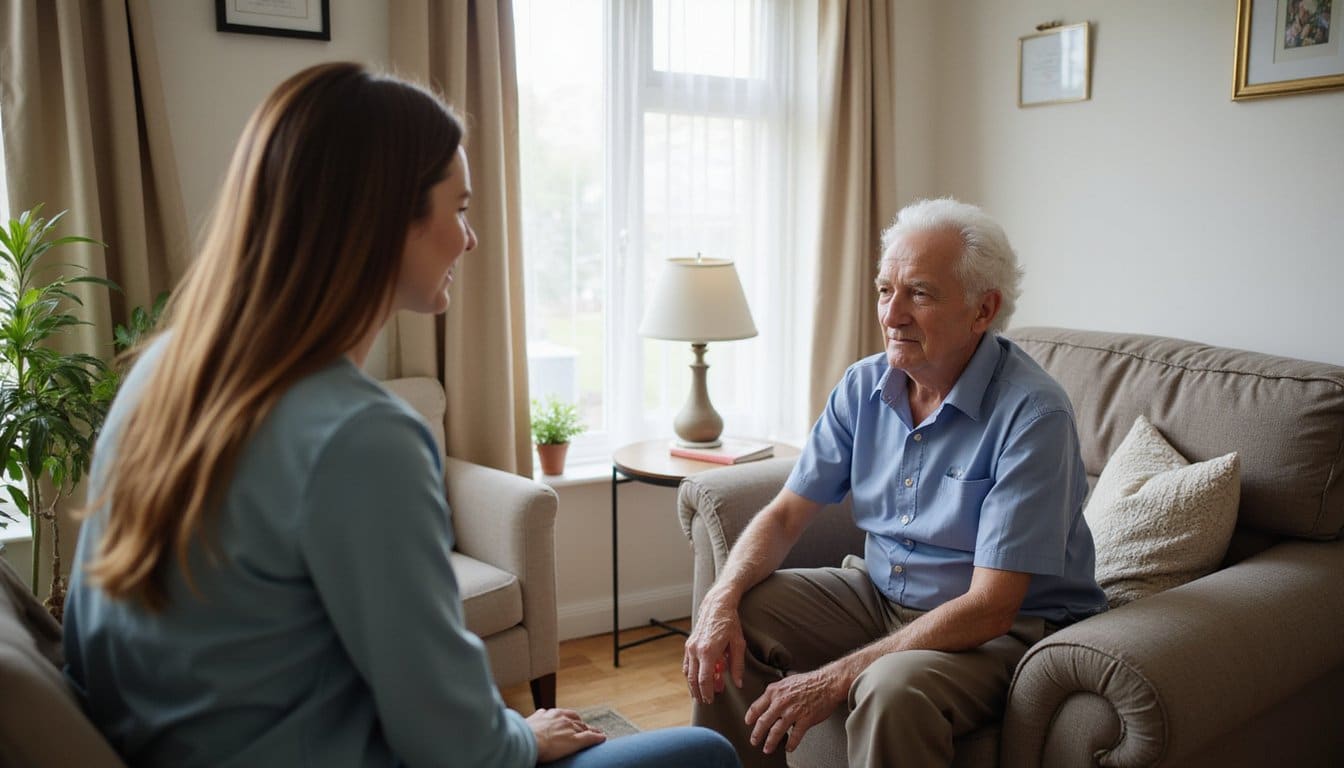
When a loved one develops Alzheimer’s disease or another form of dementia, finding the right care environment becomes a pressing concern for families. Many senior care homes provide specialized memory care services designed to support residents through various stages of cognitive decline.
These communities offer dementia specific programs that keep your loved one active and engaged while ensuring their safety. You’ll find 24-hour supervision, secured entrances, and alarm systems that prevent wandering—a common risk for those with memory impairments.
Staff members receive specialized training to address the unique challenges dementia presents. They assist with daily activities, manage medications, and provide nutritional meals. Many facilities also offer therapeutic services, including physical, speech, and occupational therapy, along with Alzheimer’s-focused activities, art programs, and fitness events.
Senior Care Homes vs. Nursing Homes: The Real Differences
Choosing between a senior care home and a nursing home often comes down to one critical factor: how much medical support your loved one truly needs. Nursing homes employ licensed medical staff around the clock for complex conditions requiring IV therapy, wound care, or diabetic management. Senior care homes focus on daily living assistance without constant clinical supervision.
The right choice depends on one thing: how much medical care your loved one actually requires.
Consider these key differences:
- Staff qualifications: Nursing homes maintain higher staff-to-patient ratios with skilled nurses, while senior care homes employ caregivers trained in medication management and mobility support.
- Living environment: Senior care homes offer homelike settings with private apartments; nursing homes feature institutional, hospital-like layouts.
- Location preferences: Senior care homes often integrate into residential neighborhoods, helping your loved one stay connected to their community.
Your family’s specific care needs should guide this decision.
Who Does Best in a Senior Care Home?
How do you know if a senior care home is the right fit for your loved one? Consider their daily care requirements and health profile.
Senior care homes work well for individuals who need assistance with multiple activities of daily living—75% of residents require bathing help, while 62% need support with three or more ADLs. If your loved one has medication management needs but doesn’t require round-the-clock nursing, this setting offers personalized attention.
Those with cognitive impairment levels ranging from mild to moderate dementia often thrive here, as 44% of residents live with Alzheimer’s or related conditions. The intimate environment provides consistent caregivers who learn your family member’s preferences and routines, creating stability that larger facilities can’t replicate.
When Is It Time to Consider a Senior Care Home?
Recognizing the right moment to move a loved one into a senior care home isn’t always straightforward, but certain signs shouldn’t be ignored. A declining health status often manifests through multiple hospitalizations, significant weight loss, or difficulty managing daily activities like bathing and dressing.
When multiple hospitalizations or difficulty with daily activities become the norm, it may be time to consider senior care.
Watch for these key indicators:
- Loss of independence in completing activities of daily living, including eating, medication management, and personal hygiene
- Cognitive changes such as memory impairments, dementia symptoms, or difficulty making safe decisions
- Caregiver limitations when family members can no longer provide adequate supervision or the current living situation becomes unsafe
You might also notice your loved one needs round-the-clock care that exceeds what home services can offer. When assisted living or home care proves insufficient, a senior care home provides the structured, professional support they deserve.
Your Senior Care Home Tour Checklist
When you’ve decided to explore senior care homes for your loved one, a well-prepared tour can reveal everything you need to make a confident choice.
Before Your Visit
Research the facility location’s licensing history and recent violations through state agencies. Schedule tours on both weekdays and weekends, and ask about unannounced visits.
During Your Tour
Observe staff-to-resident interactions closely. Are caregivers attentive and addressing residents by name? Check cleanliness in common areas, bathrooms, and hallways. Verify safety features like handrails, grab bars, and emergency call buttons.
Sample the food, review the activities calendar, and tour available apartments for accessibility.
Questions to Ask
Address cost considerations upfront, including what’s included in monthly fees. Inquire about staff training, turnover rates, and 24/7 emergency response protocols.
How Senior Care Homes Compare to Other Options
Choosing between assisted living and a nursing home often comes down to your loved one’s current health needs and desired lifestyle. Understanding the service cost comparison helps you plan financially—assisted living averages $5,190 monthly, while nursing home private rooms reach $10,646.
Care costs differ significantly—assisted living averages $5,190 monthly while nursing home private rooms reach $10,646.
Here’s what distinguishes these options:
- Care intensity: Assisted living supports ADLs like bathing and dressing; nursing homes provide 24/7 skilled nursing for chronic conditions.
- Resident eligibility requirements: Assisted living suits active seniors needing minimal help without complex medical issues. Nursing homes admit those requiring full-time monitoring or post-hospitalization recovery.
- Lifestyle focus: Assisted living promotes independence through social activities and apartment-style living. Nursing homes prioritize medical supervision in more structured environments.
You’ll want to match your loved one’s needs with the appropriate level of support and care.
Frequently Asked Questions
How Much Does a Senior Care Home Typically Cost per Month?
You’ll typically pay between $2,000 and $13,000 monthly for senior care homes, depending on the level of care you need. Assisted living averages around $5,900 per month, while nursing homes range from $9,277 to $10,646. Your fixed monthly costs usually cover room, meals, and basic care, while variable monthly expenses include specialized services, medications, and additional amenities. Location profoundly impacts what you’ll pay, so research your specific area carefully.
Does Medicare or Medicaid Cover Senior Care Home Expenses?
Medicare typically doesn’t cover most senior care homes, though it may help with skilled nursing facility stays after hospitalization. You’ll want to explore Medicare supplemental insurance options to fill coverage gaps. Medicaid coverage eligibility varies by state and usually requires meeting income and asset limits, but it can cover long-term nursing home care and sometimes assisted living. We recommend consulting with a financial counselor to understand your specific coverage options and plan accordingly.
Can Couples Live Together in the Same Senior Care Home Room?
Yes, you and your partner can often share living arrangements in senior care homes. Federal regulations protect your right to room with your spouse when both of you consent. Many facilities offer shared living arrangements, including companion suites or connected separate living quarters. However, eligibility depends on whether you both need similar care levels. If your needs differ considerably, facilities may recommend adjacent rooms or separate wings while still encouraging daily visits together.
What Happens if a Resident’s Care Needs Increase Over Time?
When your loved one’s care requirements grow, facility staff will conduct thorough assessments to evaluate their increased care needs. The care team then updates their personalized plan, which may include adding extended care services like skilled nursing, memory support, or therapy. If necessary, they’ll arrange a move to a higher level of care within the same community. This proactive approach helps maintain continuity while ensuring your family member receives appropriate support.
Are Pets Allowed in Senior Care Homes?
Pet policies vary by community type. You’ll find the most pet friendly policies in independent living, where cats and small dogs are typically welcome. Assisted living often allows pets under 50 lbs if you can care for them independently. Memory care usually restricts personal pets due to safety concerns. Beyond companionship, pets create valuable socialization opportunities with fellow residents. You’ll need current vaccinations, and many communities require deposits or fees.