





Hospice care creates your personalized pain management plan through thorough assessments that evaluate physical, emotional, and functional aspects of your pain. You’ll work with a coordinated team of specialists who use validated measurement tools to track your comfort levels and adjust treatments accordingly. Your plan combines appropriate medications with alternative therapies like massage or mindfulness, while engaging your family in the care process. Understanding how these elements work together will help you maximize your comfort and quality of life.
Understanding the Role of Comprehensive Pain Assessment 
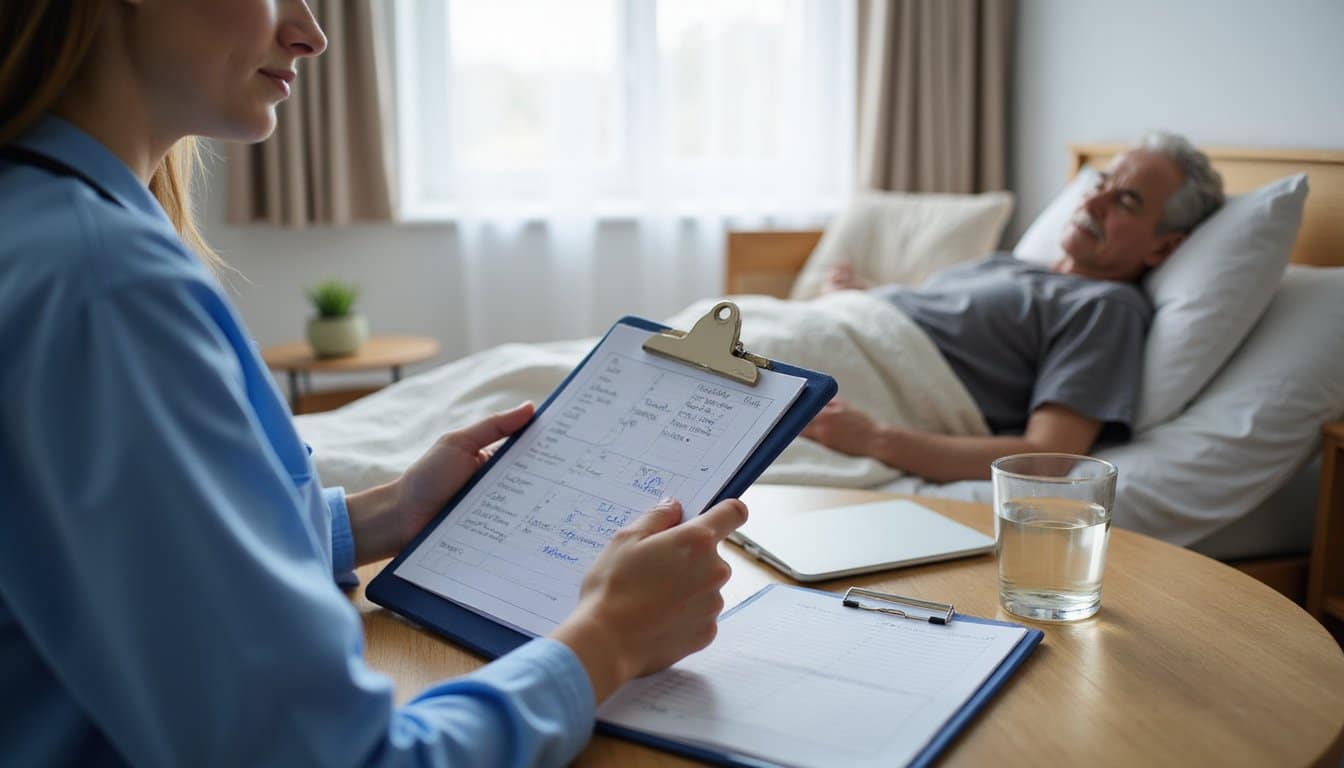
While pain management remains a cornerstone of hospice care, thorough pain assessment serves as the foundation for effective treatment. You’ll find that extensive tools like CAPA and HPAS evaluate multiple dimensions of pain, including physical symptoms, emotional impact, and functional limitations. These assessments examine pain’s location, character, intensity, and how it affects daily activities. A comprehensive evaluation includes open-ended questions to better understand each patient’s specific care expectations. Your care team will use validated measurement methods, such as numeric scales or facial expression charts, to track your pain levels accurately. They’ll document your responses and experiences through detailed pain documentation, allowing for dynamic adjustments to your treatment plan. Regular reassessment, especially after interventions or when pain patterns change, guarantees your management strategy remains effective. This systematic approach helps create a personalized care plan that addresses your unique pain experience.
The Power of Team-Based Care Coordination
Although managing pain in hospice care is complex, a coordinated team approach guarantees you receive thorough support tailored to your needs. Your care team’s dynamic collaboration includes physicians, nurses, social workers, aides, and chaplains, each bringing specialized expertise to your pain management plan. Professionals carefully monitor both verbal and non-verbal pain indicators throughout your care. Team dynamics maintain continuous communication through regular interdisciplinary meetings and shared documentation systems. The EMPOWER program has shown that staff training initiatives significantly improve pain management outcomes. Central Coast VNA & Hospice delivers 74 years of experience in providing comprehensive pain management services. You’ll work with nurses who coordinate your daily care and medication management, social workers who address emotional and practical concerns, and chaplains who provide spiritual support. Care collaboration extends to your family through education and training on pain assessment and comfort measures. The team stays responsive to your changing needs, with 24/7 nursing support and regular plan adjustments to maintain ideal comfort throughout your hospice journey.
Selecting Appropriate Medication Strategies
The selection of appropriate pain medications forms the foundation of effective hospice care. Your personalized medication plan begins with a thorough assessment of your pain type and intensity. For mild pain, you’ll typically start with non-opioid medications like acetaminophen or NSAIDs. If you’re experiencing moderate pain, your care team may introduce weak opioids such as codeine or tramadol. Severe pain often requires stronger opioids like morphine or fentanyl. Research shows that with proper pain assessment, relief can be achieved in up to 90% of dying patients receiving hospice care. Healthcare providers deliver tailored care plans that address each patient’s unique pain management needs.
Your pain management strategy isn’t static; it’s continuously adjusted based on your response and needs. If you’re experiencing neuropathic pain, you’ll receive specific medications like anticonvulsants or antidepressants. Regular use of stool softeners helps prevent constipation from opioid medications. Your care team will carefully monitor side effects and adjust doses accordingly, ensuring you maintain comfort while minimizing adverse effects throughout your hospice journey.
Beyond Medicine: Alternative Pain Relief Methods
Managing pain effectively often requires more than just medication, which is why your hospice care team integrates various alternative approaches into your treatment plan. Massage therapy benefits include reduced pain, anxiety, and depression, while mindfulness techniques like MBSR can help you develop better coping skills without side effects. Studies from 2006 to 2020 have shown significant improvements in symptoms when these complementary therapies are used. Research indicates that short-term benefits are observed when complementary therapies are incorporated into palliative care. The care team focuses on patient-centered care when developing alternative therapy plans to ensure individual preferences are respected.
Your care team can combine multiple approaches to maximize comfort:
- Physical therapies such as acupuncture, reflexology, and therapeutic repositioning to address bodily discomfort
- Psychological support through meditation, guided imagery, and CBT to help manage pain perception
- Environmental modifications, including aromatherapy, music therapy, and controlled lighting to create a soothing atmosphere
These evidence-based methods work alongside your medications to provide all-encompassing pain relief tailored to your specific needs and preferences.
Engaging Families in Pain Management

Since family members often serve as primary caregivers and critical observers, their active involvement in pain management becomes essential for ideal hospice care outcomes. Your family insights into subtle behavioral changes and nonverbal pain cues provide invaluable information that helps hospice teams adjust treatment strategies promptly. With interdisciplinary teams leading care delivery, comprehensive pain control and symptom management are prioritized. This approach allows for quality of life to remain the central focus while managing pain symptoms.
Through extensive caregiver training, you’ll learn to recognize pain symptoms, administer medications safely, and maintain accurate documentation. The hospice team will support you with written instructions, demonstrations, and 24/7 helplines for urgent questions. You’ll participate in regular team meetings to discuss care goals and medication protocols, ensuring clear communication and reduced anxiety. Structured family meetings provide a dedicated platform for addressing emerging concerns about pain management and treatment effectiveness.
When barriers arise, such as concerns about opioids or difficulties with dosing, the hospice team will work with you to develop tailored solutions that address your specific challenges.
Monitoring and Adjusting Treatment Plans
You’ll need to establish systematic pain assessment protocols that include regular monitoring using standardized scales and documentation of both verbal and non-verbal indicators. Through coordinated interdisciplinary care, you can track treatment responses by evaluating pain characteristics, medication effectiveness, and the need for dosage adjustments in real-time. Regular assessment should include evaluation of emotional and spiritual pain for comprehensive symptom management. Your ongoing assessment data will guide individualized modifications to both pharmacological and non-pharmacological interventions, ensuring ideal comfort for your hospice patients. The integration of EMR-embedded programs has proven instrumental in facilitating more accurate and timely pain documentation for home-based hospice patients.
Regular Assessment Protocols
Regular assessment of pain remains the cornerstone of effective hospice care, requiring systematic monitoring through validated measurement tools and established protocols. You’ll find that routine evaluations occur at specific intervals, utilizing standardized scales tailored to each patient’s communication abilities and cognitive status.
Studies show that 97% of hospices perform comprehensive pain evaluations during admission to establish baseline comfort levels.
- Pain assessments happen every 15-30 minutes when establishing initial comfort, then shift to hourly checks for stable patients or more frequent monitoring during acute distress
- Healthcare teams document pain scores with each medication administration, including behavioral signs and nonverbal cues for patients who can’t self-report
- Treatment adjustments rely on consistent monitoring data to guide changes in medication selection, dosing, and delivery methods
These structured pain assessment protocols guarantee your loved one receives responsive, individualized care that maintains peak comfort throughout their hospice journey.
Treatment Response Tracking
Building on systematic pain assessments, treatment response tracking transforms raw data into actionable insights for your loved one’s care team. Through advanced symptom tracking tools and telemonitoring platforms, clinicians can detect changes in pain levels and adjust care plans quickly. Daily caregiver reports and automated surveys provide real-time feedback about your loved one’s comfort and medication effectiveness.
Your hospice team uses technology-enhanced monitoring to collect thorough data on treatment outcomes. They’ll evaluate multiple dimensions of care, including physical symptoms, emotional well-being, and quality of life measures. Regular feedback from you and your family helps fine-tune pain management strategies. This integrated approach guarantees that treatment modifications are data-driven and responsive to your loved one’s changing needs, while reducing the likelihood of pain-related hospitalizations.
Coordinated Care Adjustments
Effective pain management requires constant monitoring and coordinated adjustments from your hospice care team. Through interdisciplinary collaboration, your team regularly evaluates your pain control and modifies your care plan based on detailed assessments and documentation. Clinical pharmacists, nurses, physicians, and other specialists work together to guarantee your pain management adjustments are thorough and timely.
Your care team will:
- Monitor your pain levels using consistent assessment tools and track your response to both medications and non-drug interventions
- Adjust medication dosages, routes, or types while watching for side effects and potential drug interactions
- Integrate additional support from social workers and spiritual counselors when emotional or spiritual factors impact your pain experience
These coordinated efforts guarantee you receive responsive, personalized care that adapts to your changing needs.
Building Effective Communication Channels
You’ll need to establish clear documentation protocols that standardize how your team records pain assessments, medication changes, and intervention outcomes across all shifts. Family-team daily updates create consistent touchpoints for sharing concerns, discussing comfort levels, and adjusting care strategies in real-time. Cross-disciplinary care meetings enable your hospice team to coordinate thorough pain management approaches while ensuring all providers understand the current treatment goals and any modifications to the care plan.
Clear Documentation Protocols
Clear documentation serves as the cornerstone of effective pain management in hospice care, ensuring seamless communication across the entire care team. You’ll find that documentation accuracy and protocol adherence are essential through standardized templates and real-time electronic health records that track every aspect of patient care.
- Pain assessments must be recorded hourly for stable patients and every 15 minutes during medication titration, using validated tools like 0-10 scales or FLACC
- Thorough documentation includes both pharmacological interventions and non-pharmacological approaches, ensuring a holistic view of pain management
- Quality assurance measures require regular audits and clinical oversight, with mandatory sign-offs for significant treatment changes
Through these protocols, you’re able to maintain consistent, accurate records that support individualized care while meeting regulatory requirements and facilitating team communication.
Family-Team Daily Updates
While coordinating patient care requires multiple components, daily updates between hospice teams and families form the bedrock of successful pain management outcomes. Through structured communication strategies, you’ll receive consistent updates about your loved one’s condition, medication adjustments, and symptom responses.
Family engagement thrives when hospice teams establish scheduled check-in times and maintain 24/7 accessibility for urgent needs. You’ll work with a designated primary contact who uses clear language and visual aids to guarantee you understand complex care decisions. These daily interactions include both clinical updates and emotional support, creating an environment where you can freely express concerns and participate in shared decision-making.
Regular updates help prevent misunderstandings, facilitate swift responses to changing needs, and strengthen the collaborative relationship between your family and the care team.
Cross-Disciplinary Care Meetings
Cross-disciplinary care meetings serve as the cornerstone of effective hospice pain management, bringing together a diverse team of healthcare professionals who collaborate on your loved one’s behalf. These weekly 1-2 hour sessions foster team dynamics that guarantee thorough care through structured communication and expertise sharing.
Your care team’s cross-disciplinary collaboration creates a dynamic environment where:
- Medical directors, nurses, social workers, and chaplains work together to refine and adjust pain management strategies based on real-time patient needs
- Technology-enabled meetings allow remote participation, guaranteeing all team members can contribute their expertise regardless of location
- Designated meeting facilitators maintain efficient information flow while guaranteeing every discipline’s voice is heard in care planning
This structured approach to team communication helps deliver individualized pain management solutions while maintaining the highest standard of care for your loved one.
Measuring Success Through Quality Metrics
Success in hospice care demands rigorous measurement through standardized quality metrics that evaluate both process and outcomes. You’ll find that quality indicators like the Hospice Care Index (HCI) assess multiple aspects of care delivery, while patient feedback provides vital insights into the effectiveness of pain management strategies.
| Metric Type | Key Measures |
|---|---|
| Process | Pain screening rates, care planning documentation |
| Outcomes | Pain relief within 48 hours, symptom improvement |
| Experience | Patient feelings of being heard, individualized care |
| Composite | HCI scores, cost efficiency metrics |
Your hospice team tracks these metrics through chart reviews and patient records, though challenges exist with data completeness. While process completion rates often appear high, outcome measures reveal opportunities for improvement, with pain relief success rates averaging 68%.
Frequently Asked Questions
How Long Does It Typically Take to Develop an Individualized Pain Plan?
You’ll receive an initial pain assessment within 24-48 hours of admission, with your basic pain plan developed in the first few days. However, your treatment timeline may extend longer if you have complex pain needs. Your care team will continually refine your plan through regular monitoring and adjustments. While the foundation is established quickly, the process remains dynamic – your plan will evolve as your needs change over days to weeks.
Can Hospice Patients Continue Their Existing Pain Medications From Previous Doctors?
Yes, you can continue your existing medications when entering hospice care. The hospice team will carefully review your current pain regimen and work with your previous doctors to maintain effective treatments that align with your patient preferences. While they may suggest adjustments to better manage your symptoms or reduce side effects, they’ll guarantee any changes are made gradually and thoughtfully. You’ll always be informed and included in decisions about your pain management plan.
What Happens if the Initial Pain Management Strategy Doesn’t Work?
If your initial pain management plan isn’t effective, your hospice team will reassess your pain thoroughly and make necessary medication adjustments. They’ll consider increasing doses, switching to different medications, or adding new ones to better control your symptoms. You’ll also have access to alternative therapies like massage, relaxation techniques, or heat/cold therapy. Your care team will closely monitor these changes and continue adjusting your plan until you’re comfortable.
Are There Insurance Coverage Limitations for Certain Pain Management Approaches?
Yes, you’ll encounter significant insurance policy limitations in hospice pain management. Medicare and private insurers often won’t cover complementary therapies like massage or acupuncture, and they may restrict certain medications or require pre-authorization for higher doses. Alternative therapy coverage is particularly limited, with most insurers excluding services like meditation or music therapy. You’ll also face restrictions on the frequency of professional assessments and potential caps on physical therapy services.
Can Patients Receive Pain Management Services if They Live Far From Hospice?
Yes, you can receive extensive pain management services even if you live far from a hospice facility. Through regular home visits from hospice staff, remote consultations, and telehealth options, you’ll receive consistent care tailored to your needs. You’ll have access to 24/7 phone support, medication delivery to your home, and specialized equipment when needed. Your family caregivers will also receive training to help manage your comfort between professional visits.