





You’ll need to monitor seniors closely for UTIs since they often show atypical symptoms like confusion or sudden falls rather than classic signs. Watch for changes in mental status, unexplained fatigue, and new urinary incontinence. While urine culture remains the definitive diagnostic tool, don’t rely solely on test results combine symptom evaluation with proper testing methods. Effective management requires an ideal approach spanning prevention, targeted treatment, and ongoing monitoring for perfect outcomes.
Understanding UTI Risk Factors in Older Adults

While urinary tract infections affect people of all ages, older adults face markedly higher risks due to age-related physiological changes and comorbid conditions. You’ll find that female gender and functional impairment greatly increase UTI susceptibility among seniors, particularly in long-term care settings.
Understanding the risk factors is critical for prevention. If you’re caring for older adults, pay attention to underlying conditions like diabetes, dementia, and incontinence, as they directly contribute to UTI development. Regular monitoring becomes necessary, especially given concerns about antimicrobial resistance in treating these infections.
You can help reduce UTI risks by ensuring proper hygiene practices, maintaining adequate hydration levels, and identifying bladder irritants. In long-term care facilities, it’s essential to implement routine screening protocols and establish preventive measures tailored to each resident’s specific risk factors.
Common Symptoms and Warning Signs
Watch for both physical and behavioral changes in your elderly loved one, as UTIs often present differently in seniors than in younger adults. You’ll need to monitor for classic symptoms like burning urination and increased frequency, but also be alert to sudden confusion, unexplained falls, or changes in mental status that could signal an infection. If you observe fever, chills, or flank pain, seek immediate medical attention as these may indicate a serious kidney infection requiring urgent treatment.
Physical Warning Signals
Unlike younger adults who typically experience clear urinary symptoms, seniors may present with subtle or atypical signs of a urinary tract infection. In older people, particularly nursing home residents, you’ll need to watch for unexpected changes in mental status, sudden falls, or unusual fatigue. While urinary tract infections commonly affect patient populations across all age groups, diagnosis and treatment in seniors requires special attention due to their unique health conditions.
Don’t rely solely on fever as an indicator, as many older people lack a febrile response. Instead, monitor for new or worsening urinary incontinence and changes in daily function. While altered urine characteristics aren’t definitive proof of infection, they warrant further investigation to prevent unnecessary antibiotic use. Current research still lacks high-quality prospective data on UTI signs and symptoms specific to the elderly, making careful observation pivotal.
Behavioral Changes to Watch
Behavioral changes often serve as the first indicators of urinary tract infections in older adults, manifesting differently than the typical symptoms seen in younger populations. In nursing homes, where UTIs are common, monitoring these shifts becomes pivotal for early intervention and appropriate antibiotic therapy.
- Watch for sudden onset confusion, delirium, or unexplained agitation, which can indicate an underlying UTI rather than primary behavioral health issues
- Monitor changes in daily functioning, including decreased appetite, unexpected falls, or difficulties with routine bladder emptying
- Track any worsening incontinence patterns, especially in residents with previously stable medical history
Remember that Asymptomatic bacteriuria differs from active Infectious Diseases, making it essential to correlate behavioral changes with other clinical findings before initiating treatment. Your careful observation of these subtle behavioral shifts can lead to faster diagnosis and improved outcomes.
Diagnostic Approaches and Testing Methods
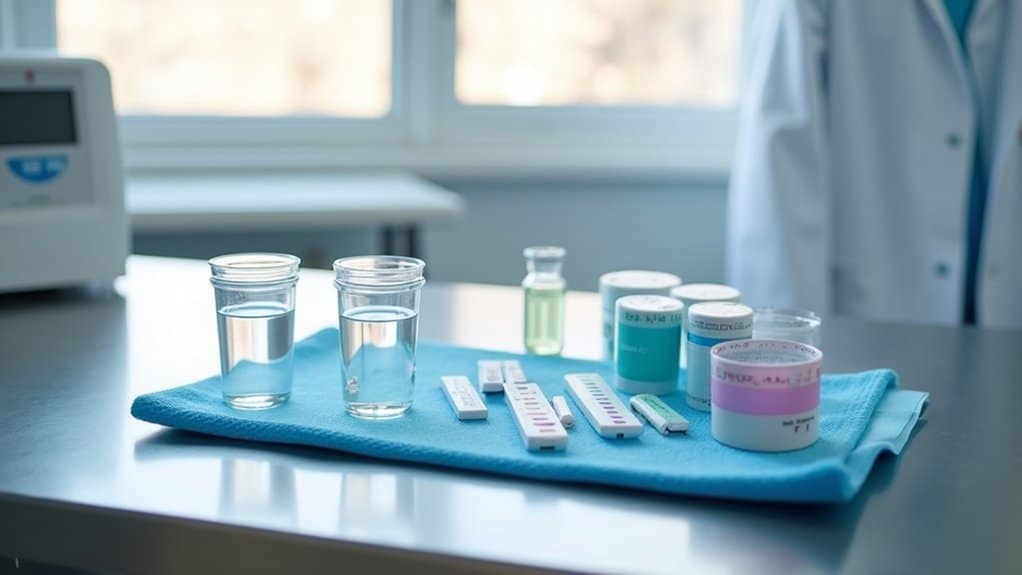
When performing urine culture testing for seniors, you’ll need to collect a clean-catch midstream sample and process it within two hours to guarantee accurate bacterial identification. While urinalysis can detect abnormal levels of nitrites, leukocyte esterase, and other biomarkers, you must interpret these results cautiously in older adults due to the high prevalence of asymptomatic bacteriuria. Beyond standard laboratory tests, you should assess complete clinical criteria, including specific signs and symptoms, changes in functional status, and the patient’s baseline condition to differentiate true UTIs from colonization.
Culture Testing Best Practices
Most diagnostic protocols rely on urine culture testing as the definitive method for confirming urinary tract infections in seniors. As the gold standard, urine cultures provide precise bacterial identification and guide appropriate antimicrobial stewardship. While dipstick and microscopy tests offer quick screening, they shouldn’t replace thorough culture analysis for symptomatic and asymptomatic patients.
For ideal culture testing results:
- Collect clean-catch midstream specimens using proper technique to minimize contamination
- Transport specimens to the lab within two hours, or refrigerate at 4°C if delay is unavoidable
- Document relevant clinical symptoms and previous antibiotic use to aid interpretation
When indicated, supplementary biomarkers and imaging studies can provide additional diagnostic insight. However, culture results remain your primary tool for confirming infection and determining targeted treatment approaches in senior populations.
Urinalysis Warning Signs
Accurate urinalysis interpretation requires careful consideration of both diagnostic test limitations and clinical presentation in seniors.
You’ll need to recognize that dipstick testing alone isn’t reliable for detecting urinary tract infections in older adults due to high rates of asymptomatic bacteriuria. While urine culture remains your definitive diagnostic tool, you must apply appropriate thresholds when interpreting results. Consider microscopic examination for additional diagnostic clues, but don’t rely on cell counts without clinical correlation.
Though emerging biomarkers like procalcitonin show promise, they’re not yet fully validated for senior care settings. You’ll want to avoid overdiagnosis by remembering that positive test results without symptoms don’t always warrant treatment. This approach helps prevent unnecessary antibiotic use in your elderly patients. Always integrate urinalysis findings with clinical symptoms for accurate diagnosis.
Beyond Standard Lab Tests
Standard laboratory testing represents just one component of thorough UTI diagnosis in seniors. Due to the complex nature of urinary tract infections in older adults, you’ll need to look beyond basic urinalysis for accurate clinical assessment.
- When standard tests lack high-quality data, consider advanced imaging studies to identify anatomical issues or functional abnormalities causing recurrent infections
- Use biomarkers like procalcitonin to support your diagnosis, though clear validation in nursing home populations remains pending
- Apply structured clinical algorithms to prevent unnecessary treatment while upholding patient safety
Remember that overreliance on nonspecific symptoms often leads to misdiagnosis. You’ll achieve better outcomes by combining multiple diagnostic approaches, including careful symptom evaluation, targeted laboratory testing, and appropriate imaging when indicated. This inclusive strategy helps guarantee accurate diagnosis and appropriate antimicrobial use.
Prevention Strategies and Best Practices
Several evidence-based prevention strategies exist for reducing urinary tract infection risk in seniors, though their effectiveness varies across different populations. While you’ll find mixed evidence for some interventions, certain approaches show more promise than others.
| Prevention Method | Effectiveness | Population Suitability |
|---|---|---|
| Cranberry (36mg PAC) | Moderate | Limited data in elderly |
| Increased Water | Inconclusive | Mixed results in seniors |
| Vaginal Estrogen | High | Post-menopausal women |
| Methenamine | Effective | Age 12+ |
For recurrent UTIs in older adults, you’ll want to focus on proven strategies. Vaginal estrogen therapy stands out as particularly effective for post-menopausal women. While probiotics remain under study, methenamine hippurate offers a viable non-antibiotic option. Current evidence doesn’t strongly support cranberry products or increased water intake specifically for seniors, though these interventions may benefit other populations.
Treatment Options and Medication Management
When treating UTIs in seniors, clinicians must carefully weigh medication choices against individual risk factors and comorbidities. Treatment of urinary tract infections requires a balanced approach to maximize quality of life while minimizing antibiotic resistance risks.
For managing recurrent UTIs and reducing the risk of symptomatic infections, consider these evidence-based options:
- TMP/SMX or nitrofurantoin prophylaxis can effectively reduce UTI frequency, particularly when prescribed as continuous or postcoital therapy
- Vaginal estrogen therapy shows clear benefits for postmenopausal women, with minimal systemic absorption and strong data supporting its use
- Methenamine presents a viable alternative to antibiotics, as Randomized clinical trials demonstrate its noninferiority in preventing recurring infections
While cranberry products containing adequate proanthocyanidin levels may help some patients, you’ll need more robust evidence before recommending them to elderly populations with complex medical needs.
Long-term Monitoring and Care Planning
Successful long-term UTI management in seniors requires a thorough monitoring protocol and individualized care planning strategy. You’ll need to implement multiple preventive measures while closely tracking their effectiveness.
For recurrent UTIs in older adult populations, you should consider antibiotic prophylaxis, either continuous or post-coital, while carefully monitoring for adverse effects. Include cranberry products containing 36 mg proanthocyanidin in the prevention plan. For postmenopausal women, incorporate topical estrogen to improve vaginal health and reduce infection risk. Consider methenamine hippurate as an antibiotic alternative, as it’s proven noninferior in prevention.
You’ll need to maintain detailed records of UTI episodes, treatment responses, and prevention strategies. Establish clear protocols for monitoring and prompt treatment of breakthrough infections to guarantee effective long-term management.
Frequently Asked Questions
What Are the Diagnostic Criteria for UTI in the Elderly?
You’ll need to identify both specific urinary symptoms and systemic changes to diagnose UTIs in elderly patients. Look for acute dysuria, frequency, urgency, and hematuria as key urinary indicators. You should also monitor for fever above 38°C, altered mental status, malaise, new or worsening incontinence, and suprapubic pain. Don’t rely solely on urine dipstick testing; you’ll need to confirm with urine culture and match symptoms to make an accurate diagnosis.
What Is the Gold Standard for UTI Detection?
You’ll find that urine culture remains the gold standard for UTI detection, requiring ≥10^5 CFU/mL of a single uropathogen. While you might use dipstick analysis and pyuria assessment as initial screening tools, they shouldn’t replace proper culture testing. You should consider symptom assessment alongside molecular testing methods, but remember that risk factors, comorbidities, catheterization effects, and antibacterial resistance patterns can affect your results’ interpretation and subsequent treatment decisions.
How Do We Prevent UTIS in the Elderly Population?
You’ll need to implement multiple preventive strategies for UTI prevention in elderly patients. Start by ensuring proper hydration throughout the day. Make bathroom accessibility adjustments and practice pelvic floor exercises to improve bladder control. You should manage incontinence effectively, monitor for antibiotic resistance, and schedule regular screenings. Don’t forget to optimize nutrition and manage chronic conditions. It’s essential to educate caregivers about proper hygiene practices and early warning signs.
What Is the Standard Treatment Guideline for UTI?
You’ll need to begin treatment with a thorough symptom severity assessment and risk factor identification. Review antibiotic resistance patterns in your area to select appropriate medications. You should obtain urine cultures before starting antibiotics and guarantee proper medication review to avoid interactions. Maintain hydration throughout treatment, and consider cranberry supplementation as adjunct therapy. You’ll need to implement behavioral modifications and provide caregiver education for ideal outcomes. Always schedule urine culture follow-up to confirm treatment success.